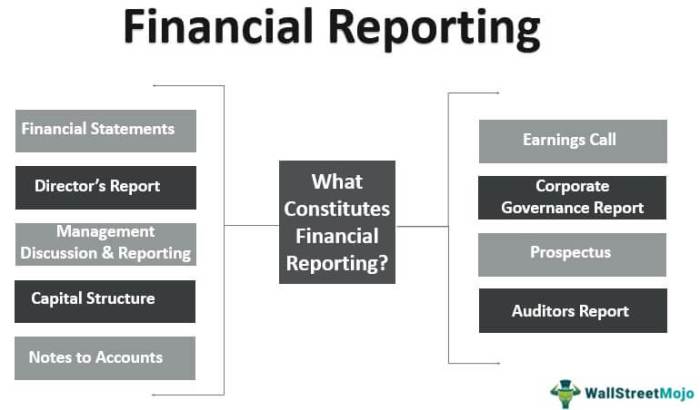



The Role of Accounting in Mergers & Acquisitions Due Diligence is paramount. Successful mergers and acquisitions hinge on a thorough understanding of the target company’s financial health. This involves scrutinizing financial statements, analyzing revenue recognition, assessing working capital and liquidity, and evaluating debt and financing structures. A comprehensive accounting due diligence process minimizes risk and ensures a fair purchase price, ultimately leading to a smoother post-merger integration.
This exploration delves into the critical aspects of accounting due diligence, providing insights into the identification of potential financial irregularities, the complexities of various accounting standards, and the implications of different financial metrics. We will examine best practices for verifying financial information, projecting future needs, and navigating the tax implications inherent in these complex transactions. Ultimately, we aim to illuminate how a robust accounting due diligence process contributes to the success of mergers and acquisitions.
Financial Statement Analysis in M&A Due Diligence
Thorough financial statement analysis is paramount in mergers and acquisitions (M&A) due diligence. It provides the foundation for understanding the target company’s financial health, performance trends, and inherent risks, ultimately informing the valuation and negotiation process. A comprehensive review goes beyond simply looking at the numbers; it involves a critical assessment of the underlying accounting practices and the identification of potential inconsistencies or irregularities.
Reviewing Historical Financial Statements
Analyzing historical financial statements—balance sheets, income statements, and cash flow statements—over several years allows for the identification of trends and patterns in the target company’s financial performance. This longitudinal perspective is crucial for assessing the sustainability of profitability, identifying potential areas of weakness, and predicting future performance. Consistent growth in revenue and earnings is a positive indicator, while declining margins or increasing debt levels might signal underlying problems. Comparing the target company’s performance to industry benchmarks further enhances the analysis and provides a comparative context. Furthermore, the examination of footnotes and supplementary disclosures within the financial statements offers valuable insights into accounting policies, contingent liabilities, and other crucial details often overlooked in a superficial review.
Identifying and Investigating Inconsistencies or Anomalies
Inconsistencies or anomalies in financial records can indicate accounting irregularities, errors, or even deliberate manipulation. The due diligence process involves a rigorous examination of the financial statements to detect any discrepancies or unusual patterns. This includes comparing figures across different periods, analyzing ratios and trends, and scrutinizing the supporting documentation. For instance, a sudden and unexplained spike in revenue or a significant increase in accounts receivable without a corresponding increase in sales might warrant further investigation. Similarly, discrepancies between reported figures and those reflected in internal management reports should be thoroughly explored. The process often involves requesting supporting documentation, such as sales contracts, purchase orders, and bank statements, to verify the accuracy of the reported figures.
Common Accounting Irregularities
Several common accounting irregularities warrant particular attention during due diligence. These include revenue recognition issues, such as premature revenue recognition or the improper capitalization of expenses, which can artificially inflate profits. Another common issue is the manipulation of inventory valuation, either through overstating inventory levels or using inappropriate valuation methods. Aggressive debt management practices, such as the off-balance-sheet financing of liabilities, can also distort the true financial picture. Finally, the misclassification of expenses, such as capitalizing expenses that should be expensed, can also lead to an inaccurate representation of profitability. Identifying these irregularities requires a detailed understanding of accounting principles and a keen eye for inconsistencies.
Key Financial Ratios in M&A Due Diligence
Understanding key financial ratios is essential for evaluating the target company’s financial health and performance. These ratios provide a standardized way to compare the target company’s performance to its peers and historical trends.
| Ratio | Formula | Significance | Interpretation |
|---|---|---|---|
| Current Ratio | Current Assets / Current Liabilities | Liquidity | Higher ratio indicates greater ability to meet short-term obligations. |
| Debt-to-Equity Ratio | Total Debt / Total Equity | Financial Leverage | Higher ratio indicates higher financial risk. |
| Return on Equity (ROE) | Net Income / Total Equity | Profitability | Measures the return generated on shareholders’ investment. |
| Profit Margin | Net Income / Revenue | Profitability | Indicates the percentage of revenue that translates into profit. |
Revenue Recognition and Accruals: The Role Of Accounting In Mergers & Acquisitions Due Diligence
Revenue recognition and accruals are critical aspects of financial statement analysis during mergers and acquisitions (M&A) due diligence. Understanding a target company’s revenue recognition policies and the accuracy of its accruals is crucial for determining the true financial health and future profitability of the business. Inaccurate or manipulated revenue recognition can significantly distort a company’s reported financial performance, leading to an overvaluation or misrepresentation of its worth.
The complexities of revenue recognition are amplified by the differences between accounting standards like IFRS (International Financial Reporting Standards) and GAAP (Generally Accepted Accounting Principles). These differences can make comparing the financial statements of companies using different standards challenging, demanding a thorough understanding of the specific standards applied by the target company. Moreover, the inherent subjectivity involved in revenue recognition, especially in areas like long-term contracts or subscription-based services, creates opportunities for manipulation.
Revenue Recognition Under IFRS and GAAP
IFRS 15 and ASC 606 (the corresponding GAAP standard) provide a five-step model for revenue recognition. This model focuses on identifying the performance obligations in a contract, determining the transaction price, allocating the transaction price to those performance obligations, recognizing revenue when (or as) those performance obligations are satisfied, and finally, presenting the information to users of the financial statements. However, the application of these steps can be complex and requires significant judgment, particularly when dealing with complex transactions or contracts with multiple performance obligations. Differences in interpretation and application between IFRS and GAAP can lead to variations in reported revenue, making direct comparisons challenging. For example, the treatment of discounts and rebates can differ, leading to variations in reported revenue figures. A thorough understanding of the specific revenue recognition policies adopted by the target company and their alignment with the relevant accounting standards is essential.
Potential for Revenue Manipulation
The inherent complexities and judgment involved in revenue recognition create opportunities for manipulation. Companies might prematurely recognize revenue, for instance, by booking revenue before goods are shipped or services are rendered. Another common tactic is channel stuffing, where a company induces its distributors to purchase more inventory than they need, artificially inflating sales. Aggressive revenue recognition can also be achieved through the manipulation of contract terms, such as altering the timing of performance obligations to accelerate revenue recognition. This type of manipulation can lead to a significant overstatement of revenue and earnings, creating a misleading picture of the target company’s financial performance. The impact on valuation can be substantial, potentially leading to an overpayment by the acquirer.
Best Practices for Verifying Revenue Recognition
Verifying the accuracy of revenue recognition requires a multi-faceted approach. This involves a detailed review of the target company’s revenue recognition policies, a thorough examination of supporting documentation for significant revenue transactions, and an assessment of the company’s internal controls over revenue recognition. Key aspects to scrutinize include the consistency of revenue recognition practices over time, comparison of revenue recognition with industry benchmarks, and analysis of the relationship between revenue, accounts receivable, and inventory. Independent verification of revenue numbers through direct communication with customers or analysis of third-party data can also provide valuable insights. The use of data analytics tools can significantly enhance the efficiency and effectiveness of this review process, enabling the identification of anomalies and potential red flags.
Potential Red Flags Related to Revenue Recognition and Accruals
Understanding potential red flags is crucial for effective due diligence. These indicators can signal potential issues with revenue recognition and accruals.
- Significant and unexplained increases in revenue growth, particularly exceeding industry benchmarks.
- A high percentage of revenue from a small number of customers.
- Unusual or aggressive accounting policies related to revenue recognition.
- Inconsistencies between revenue reported and cash collected.
- Rapid growth in accounts receivable without a corresponding increase in sales.
- Large or unusual accruals that lack adequate supporting documentation.
- Significant discrepancies between management’s representations and the supporting documentation.
- High levels of returns or allowances relative to sales.
- Frequent changes in revenue recognition policies.
- Lack of robust internal controls over revenue recognition and accounting processes.
Working Capital and Liquidity Analysis
Working capital and liquidity are critical aspects of a target company’s financial health, significantly impacting its valuation and the success of a merger or acquisition. A thorough analysis of these factors provides crucial insights into the target’s operational efficiency, short-term financial stability, and ability to meet its obligations. Understanding the target’s working capital management practices is essential for accurately forecasting post-merger integration challenges and opportunities.
Analyzing a target company’s working capital and liquidity involves examining its current assets and liabilities to assess its ability to meet its short-term obligations. This analysis goes beyond simply looking at the balance sheet; it requires a deep dive into the underlying components of working capital, such as inventory turnover, days sales outstanding (DSO), and days payable outstanding (DPO), to understand the operational drivers of these metrics. Furthermore, projections of future working capital needs are crucial for determining the potential financial implications of the acquisition and for planning the integration process.
Key Working Capital Metrics
Several key metrics provide a comprehensive assessment of a target company’s working capital position. These metrics offer insights into the efficiency of the company’s operations and its ability to manage its cash flow. Analyzing these metrics in conjunction with industry benchmarks helps to identify potential areas of concern or strength.
For example, a high DSO might indicate difficulties in collecting receivables, potentially impacting cash flow. Conversely, a low DPO could signal a strong negotiating position with suppliers but might also suggest a riskier approach to supplier relationships. Analyzing these metrics over several periods provides valuable insights into trends and potential issues.
- Net Working Capital: Calculated as Current Assets minus Current Liabilities. A positive net working capital generally indicates the company has sufficient liquid assets to cover its short-term debts.
- Current Ratio: Calculated as Current Assets divided by Current Liabilities. A higher ratio suggests stronger liquidity, while a lower ratio indicates a higher risk of short-term financial distress.
- Quick Ratio (Acid-Test Ratio): Calculated as (Current Assets – Inventory) divided by Current Liabilities. This is a more conservative measure of liquidity, excluding less liquid inventory.
- Days Sales Outstanding (DSO): Measures the average number of days it takes to collect payment from customers. A lower DSO indicates more efficient credit and collection processes.
- Days Payable Outstanding (DPO): Measures the average number of days it takes to pay suppliers. A higher DPO can indicate strong negotiating power with suppliers, but excessively high DPO might damage supplier relationships.
- Inventory Turnover: Measures how efficiently a company manages its inventory. A higher turnover suggests efficient inventory management and lower storage costs.
Liquidity Analysis Methods
Various methods are used to analyze a company’s liquidity, each offering a different perspective on its short-term financial health. The choice of method often depends on the specific circumstances of the M&A transaction and the information available.
For instance, the current ratio provides a broad overview, while the quick ratio offers a more conservative assessment by excluding inventory. Cash flow analysis provides further insights into the company’s ability to generate cash from its operations. A comprehensive liquidity analysis typically involves a combination of these methods.
Obtain direct knowledge about the efficiency of How to Conduct a Break-Even Analysis through case studies.
- Ratio Analysis: Using ratios like the current ratio, quick ratio, and cash ratio to assess the company’s ability to meet its short-term obligations.
- Cash Flow Analysis: Examining the company’s cash flow from operations, investing, and financing activities to assess its ability to generate cash and manage its liquidity.
- Pro Forma Financial Statements: Creating projected financial statements to assess the impact of potential scenarios on the company’s liquidity.
Implications of High or Low Working Capital Levels
High or low working capital levels can have significant implications for M&A transactions. High working capital might indicate inefficient use of assets, while low working capital could signal potential liquidity problems. A thorough understanding of the underlying reasons for these levels is crucial.
For example, a high level of inventory might suggest weak demand or inefficient production processes. Conversely, low accounts receivable might indicate strong credit policies but could also imply limited sales. Understanding these nuances is essential for accurate valuation and integration planning.
Projecting Future Working Capital Needs, The Role of Accounting in Mergers & Acquisitions Due Diligence
Projecting future working capital needs is crucial for evaluating the financial implications of an M&A transaction. This projection typically involves analyzing historical trends, incorporating business plans, and considering potential synergies.
For example, a company planning significant growth might need to increase its working capital to support increased inventory and receivables. Conversely, a company implementing cost-cutting measures might reduce its working capital needs. Accurate projections require a thorough understanding of the target company’s operations and strategic plans.
A common approach involves using historical data to establish trends in key working capital metrics like DSO, DPO, and inventory turnover. These trends are then extrapolated based on the projected sales growth and other relevant factors Artikeld in the target company’s business plan. For instance, if the historical DSO is 45 days and sales are projected to increase by 10%, the projected accounts receivable can be estimated accordingly. This process should be iterative and refined based on discussions with management and other due diligence findings.
Debt and Financing Analysis
Analyzing a target company’s debt structure and financing is crucial during M&A due diligence. A thorough understanding of the company’s debt obligations, its ability to service that debt, and any off-balance sheet financing arrangements is vital for determining the fair value and overall risk associated with the acquisition. This analysis helps assess the target’s financial health and potential future cash flows, directly impacting the deal’s viability and terms.
Analyzing the Target Company’s Debt Structure
The analysis of a target company’s debt structure begins with identifying all sources of debt, including bank loans, bonds, commercial paper, and other debt instruments. For each debt instrument, the due diligence team should ascertain the principal amount, interest rate, maturity date, and any associated covenants. Covenants are legally binding agreements that restrict the borrower’s actions to protect the lender’s interests. These covenants can significantly impact the target company’s operational flexibility and financial strategies. Understanding the terms and implications of these covenants is essential to evaluating the overall risk profile. For example, a covenant restricting dividend payments could limit the acquirer’s ability to extract value from the target after the acquisition.
Evaluating the Creditworthiness of the Target Company
Evaluating the creditworthiness of the target company involves assessing its ability to meet its debt obligations. This assessment is typically done using a combination of financial ratios and qualitative factors. Key financial ratios include the debt-to-equity ratio, times interest earned ratio, and debt service coverage ratio. A high debt-to-equity ratio suggests a higher level of financial risk, while a low times interest earned ratio indicates a reduced ability to cover interest payments. The debt service coverage ratio provides a more comprehensive measure of the company’s ability to service its debt obligations. Qualitative factors, such as the target company’s industry position, management team, and overall economic outlook, also play a significant role in creditworthiness evaluation. A thorough credit analysis will involve reviewing the target’s credit history, including any past defaults or payment difficulties.
Off-Balance-Sheet Financing and its Impact
Off-balance-sheet financing refers to financing arrangements that are not explicitly reflected on the company’s balance sheet. These arrangements can include special purpose entities (SPEs), operating leases, and various other complex financial structures. The presence of off-balance-sheet financing can significantly impact the deal valuation and risk profile. For example, a company might use an SPE to hide debt or liabilities, leading to an undervaluation of the target’s overall debt burden. Another example involves operating leases which are often structured to keep assets and related liabilities off the balance sheet. However, these lease obligations still represent significant financial commitments that should be considered when assessing the target’s financial health. Failure to identify and properly account for off-balance-sheet financing can lead to significant financial surprises for the acquirer after the deal closes.
Key Financial Ratios Related to Debt and Leverage
| Ratio | Formula | Interpretation | Ideal Range (Illustrative) |
|---|---|---|---|
| Debt-to-Equity Ratio | Total Debt / Total Equity | Measures the proportion of debt financing relative to equity financing. | Below 1.0 (varies significantly by industry) |
| Times Interest Earned Ratio | EBIT / Interest Expense | Indicates the company’s ability to cover interest payments from earnings before interest and taxes. | Above 2.0 (varies significantly by industry and interest rate environment) |
| Debt Service Coverage Ratio | (EBIT + Depreciation & Amortization) / (Interest Expense + Principal Repayments) | Measures the company’s ability to meet its debt service obligations. | Above 1.2 (varies significantly by industry and loan terms) |
| Net Debt to EBITDA | (Total Debt – Cash & Cash Equivalents) / EBITDA | Measures leverage, considering available cash to offset debt. | Below 3.0 (varies significantly by industry and growth stage) |
Tax Implications and Due Diligence

Tax due diligence is a critical component of mergers and acquisitions (M&A) due diligence, impacting deal valuation, structuring, and post-merger integration. A thorough review helps identify potential tax liabilities and opportunities, ensuring a smooth transition and maximizing value for all parties involved. Ignoring this aspect can lead to unforeseen costs and jeopardize the entire deal.
A comprehensive tax due diligence review aims to uncover potential tax liabilities or tax saving opportunities associated with the target company. This involves a detailed examination of the target’s tax compliance history, including tax returns, assessments, and any ongoing tax disputes. Furthermore, it explores the potential tax consequences of the transaction itself, such as the allocation of purchase price and the treatment of various assets and liabilities for tax purposes. The process ultimately helps buyers make informed decisions about pricing and deal structuring.
Potential Tax Liabilities and Opportunities
Identifying potential tax liabilities is paramount. Areas of focus include the accuracy of previously filed tax returns, the proper application of tax laws and regulations, and the existence of any unasserted tax liabilities. Conversely, identifying potential tax opportunities, such as unused tax credits or deductions, can significantly impact the overall deal value. For example, a target company might have significant net operating losses (NOLs) that could offset future taxable income of the acquiring company, creating a valuable tax asset. Conversely, a poorly managed tax structure could expose the acquiring company to unforeseen liabilities post-merger. A thorough assessment of both liabilities and opportunities allows for a more accurate valuation and informed negotiation.
Assessing Tax Compliance History
Assessing the target company’s tax compliance history involves a meticulous review of several key documents. This includes examining several years’ worth of tax returns (federal, state, and local), along with supporting documentation such as depreciation schedules, amortization schedules, and transfer pricing documentation. Any tax audits, notices of deficiency, or ongoing disputes with tax authorities need to be thoroughly investigated. This assessment helps determine the risk of future tax liabilities and potential penalties. For example, a history of inconsistent tax reporting could indicate a higher risk of future assessments and penalties. A clean compliance history, on the other hand, reduces this risk and can enhance the attractiveness of the deal.
Integrating Tax Considerations into Valuation
Tax considerations are inextricably linked to the overall M&A valuation. The effective tax rate of the target company significantly influences its profitability and, consequently, its value. Potential tax liabilities, on the other hand, need to be factored into the purchase price to accurately reflect the true economic value. Conversely, tax assets, such as NOLs or unused tax credits, can increase the deal’s attractiveness and potentially justify a higher purchase price. Sophisticated valuation models incorporate tax effects to provide a more comprehensive and realistic valuation. For instance, a discounted cash flow (DCF) analysis should explicitly account for the target’s effective tax rate and any anticipated changes resulting from the acquisition. Ignoring these factors can lead to an inaccurate valuation and potentially a costly mistake for the acquiring company.
Valuation and Purchase Price Allocation
Accounting principles significantly influence the valuation process in mergers and acquisitions (M&A), shaping the final purchase price and impacting post-acquisition financial reporting. A thorough understanding of these principles is crucial for both buyers and sellers to ensure a fair and accurate transaction. The process involves careful assessment of assets, liabilities, and future cash flows, all within the framework of Generally Accepted Accounting Principles (GAAP) or International Financial Reporting Standards (IFRS).
Purchase Price Allocation Process
The purchase price allocation (PPA) process systematically assigns the total purchase price to the acquired company’s identifiable assets and liabilities. This allocation is guided by fair value principles, aiming to reflect the economic reality of the acquired assets and liabilities. The process is crucial for accurate financial reporting post-acquisition and affects depreciation, amortization, and impairment calculations. Incorrect allocation can lead to material misstatements in financial statements.
Impact of Accounting Adjustments on Purchase Price
Accounting adjustments, often discovered during due diligence, can substantially impact the final purchase price. For example, the identification of unrecorded liabilities (such as environmental liabilities or pending lawsuits) can reduce the net asset value of the acquired company, thereby lowering the purchase price. Conversely, the discovery of undervalued assets (e.g., intellectual property or customer relationships) might lead to a price increase. Consider a scenario where a buyer initially offers $100 million for a company. During due diligence, a $10 million contingent liability is uncovered, requiring an adjustment. The final purchase price might be renegotiated to $90 million to reflect this newly discovered liability. Similarly, the discovery of previously unrecognized intangible assets worth $5 million could increase the purchase price to $105 million.
Purchase Price Allocation Flowchart
The following steps Artikel a typical purchase price allocation process:
Post-Merger Accounting Integration
Successfully integrating the accounting systems of two merging companies is crucial for a smooth post-merger transition and the accurate financial reporting of the combined entity. Failure to do so can lead to significant financial reporting errors, operational inefficiencies, and even regulatory penalties. This section will explore the challenges, best practices, and potential issues related to post-merger accounting integration.
Integrating the accounting systems of two distinct companies presents a complex undertaking. Differences in chart of accounts, accounting software, reporting structures, and even fundamental accounting policies can create significant hurdles. The sheer volume of data involved, the need for accurate reconciliation, and the potential for human error during the transition all contribute to the complexity. Moreover, the need for a rapid integration to minimize disruption to ongoing business operations often puts pressure on teams, increasing the risk of mistakes.
Challenges of Integrating Accounting Systems
The integration process often faces significant challenges stemming from incompatible systems and data formats. Data migration can be time-consuming and error-prone, requiring careful planning and validation. Reconciling differing account balances and ensuring data integrity are critical steps. Furthermore, integrating different accounting software packages necessitates considerable technical expertise and may involve substantial investment in new software or system customization. Finally, cultural differences between the accounting teams of the merging companies can create communication barriers and hinder a smooth integration. For example, one company might rely heavily on manual processes, while the other utilizes sophisticated automation tools. Bridging this gap requires careful planning and communication.
Importance of a Clear Post-Merger Accounting Policy
Establishing a clear and consistent accounting policy is paramount after a merger. This policy should define the chart of accounts, accounting principles, reporting standards, and internal controls for the combined entity. A well-defined policy ensures consistent financial reporting, simplifies the consolidation process, and facilitates compliance with regulatory requirements. The policy should also address the transition period, outlining timelines, responsibilities, and communication protocols. Without a clear policy, inconsistencies in financial reporting can arise, leading to inaccurate financial statements and potential regulatory issues. For example, discrepancies in revenue recognition methods could lead to misstatements of revenue and earnings.
Best Practices for Managing the Accounting System Transition
Effective management of the accounting system transition requires a well-defined plan. This plan should include detailed timelines, resource allocation, risk assessment, and mitigation strategies. A phased approach, starting with data migration and reconciliation, followed by system integration and testing, is often preferred. Regular communication and collaboration between the accounting teams of both companies are crucial throughout the process. Furthermore, thorough testing and validation of the integrated system are necessary to ensure accuracy and reliability before the cutover. The use of experienced project managers and accounting professionals can significantly improve the chances of a successful transition. A successful implementation of a new system at a major bank, for example, might involve months of planning, testing, and parallel running of the old and new systems to ensure a seamless switchover.
Potential Issues Arising from Disparate Accounting Systems
Disparate accounting systems can lead to various issues post-merger. These include data inconsistencies, difficulties in consolidating financial statements, and challenges in maintaining accurate financial records. Differences in accounting methods, such as inventory valuation or depreciation calculations, can create inconsistencies in financial reporting. Furthermore, the lack of integration can hinder real-time financial reporting and analysis, making it difficult for management to make informed decisions. Inaccurate data can lead to incorrect financial statements, resulting in misinformed investment decisions and potential regulatory penalties. For instance, differing depreciation methods used by the two companies could result in significantly different reported net income and asset values. This discrepancy needs to be addressed through a harmonized approach to ensure consistency in the consolidated financial statements.
Last Recap
In conclusion, a rigorous accounting due diligence process is not merely a compliance exercise; it is a strategic imperative in mergers and acquisitions. By meticulously examining financial records, understanding revenue recognition practices, assessing liquidity and debt, and considering tax implications, stakeholders can mitigate risk, make informed decisions regarding valuation and purchase price, and ensure a smoother post-merger integration. A thorough approach, informed by best practices and a deep understanding of accounting principles, lays the foundation for a successful and profitable acquisition.
Query Resolution
What are the potential consequences of inadequate accounting due diligence?
Inadequate due diligence can lead to overpaying for the target company, uncovering hidden liabilities after the deal closes, and difficulties in post-merger integration. It can also result in regulatory issues and reputational damage.
How long does a typical accounting due diligence process take?
The timeframe varies depending on the size and complexity of the transaction, but it typically ranges from several weeks to a few months.
Who conducts accounting due diligence?
Accounting due diligence is typically performed by a team of professionals, including accountants, financial analysts, and tax specialists, often from a dedicated due diligence firm or the buyer’s internal accounting department.
What is the role of technology in accounting due diligence?
Technology plays an increasingly important role, with data analytics and specialized software used to automate data extraction, analysis, and reporting, improving efficiency and accuracy.