



The Role of Accounting in Ensuring Fair Trade Compliance is crucial for the ethical and sustainable growth of the fair trade movement. This often-overlooked aspect ensures transparency and accountability within the supply chain, fostering trust between producers and consumers. By meticulously tracking costs, premiums, and social/environmental impacts, accounting practices not only verify fair trade claims but also empower producers and promote economic justice. This exploration delves into the vital intersection of accounting and fair trade, highlighting the practices and challenges that shape this dynamic field.
From understanding core fair trade principles and relevant accounting standards to navigating financial reporting and supply chain transparency, we will examine how accounting practices contribute to the integrity of fair trade initiatives. We’ll also discuss the role of audits in verifying claims and the use of technology to enhance traceability and impact measurement. This comprehensive overview aims to equip readers with a thorough understanding of how accounting underpins the success of fair trade.
Introduction to Fair Trade and Accounting
Fair trade is a social movement focused on creating equitable trading partnerships between producers in developing countries and consumers in developed nations. It aims to address the systemic inequalities inherent in conventional international trade, ensuring better prices, working conditions, and environmental practices for producers. Accounting plays a crucial role in achieving these goals by providing the transparency and accountability needed to build trust and verify fair trade practices.
Fair trade principles center around several key tenets. These include paying producers fair prices that cover the costs of production and provide a reasonable living wage, ensuring safe and healthy working conditions, promoting environmental sustainability, and empowering producer organizations to participate in decision-making processes. The ultimate goal is to create a more just and sustainable global trading system.
Challenges Faced by Fair Trade Producers
Fair trade producers often face significant challenges in accessing markets, competing with larger, more established businesses, and managing their finances effectively. These challenges can include volatile market prices, limited access to credit and finance, lack of infrastructure, and inadequate business management skills. Furthermore, many producers operate on a small scale, making it difficult to achieve economies of scale and compete effectively in the global marketplace. These challenges highlight the importance of strong financial management and accounting practices to ensure the long-term viability and success of fair trade initiatives.
Transparency and Traceability in Fair Trade
Transparency and traceability are essential elements of fair trade. Transparency involves openly sharing information about the production process, pricing, and the distribution of profits throughout the supply chain. Traceability ensures that products can be tracked from origin to consumer, allowing for verification of fair trade practices and consumer confidence in the authenticity of fair trade claims. This level of transparency and traceability fosters accountability and builds trust among producers, consumers, and other stakeholders in the fair trade system. Without robust accounting systems, achieving and maintaining transparency and traceability would be significantly hampered.
Examples of Fair Trade Certification Schemes
Several organizations offer fair trade certification, providing independent verification that products meet fair trade standards. These certifications provide assurance to consumers that the products they are purchasing align with fair trade principles. Examples include Fairtrade International, FLO-CERT, and Rainforest Alliance. These organizations establish detailed criteria, conduct audits, and issue certifications to producers who meet their standards. Accurate and transparent accounting records are a crucial part of the certification process, allowing auditors to verify compliance with fair trade standards and track the flow of funds throughout the supply chain. The certification process itself relies heavily on the financial data provided by the producers.
Accounting Practices for Fair Trade Compliance
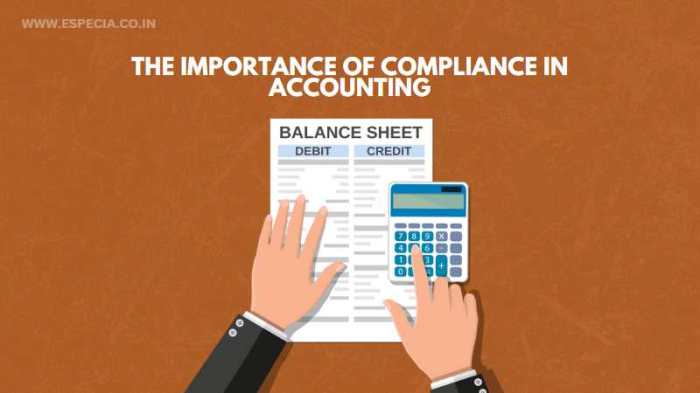
Ensuring fair trade compliance necessitates robust and transparent accounting practices. These practices go beyond standard bookkeeping; they require a deep understanding of fair trade principles and their translation into financial records. Accurate accounting is crucial for demonstrating compliance to certifiers, building trust with consumers, and ultimately ensuring the sustainability of fair trade initiatives.
Relevant Accounting Standards
Fair trade compliance doesn’t have its own dedicated set of accounting standards. Instead, adherence relies on the application of generally accepted accounting principles (GAAP) or International Financial Reporting Standards (IFRS), alongside specific fair trade certification requirements. These requirements often focus on traceability, transparency, and the accurate recording of fair trade premiums. For example, a producer must demonstrate that all transactions related to fair trade products are clearly separated from those of conventional products. This ensures that the fair trade premium is correctly calculated and distributed. Compliance also hinges on maintaining accurate inventory records, separating fair trade inputs and outputs from non-fair trade ones, and maintaining clear audit trails for all transactions.
The Importance of Accurate Cost Accounting in Fair Trade
Accurate cost accounting is paramount in fair trade because it directly impacts the producer’s ability to receive a fair price. Underestimating costs can lead to a situation where the fair trade price doesn’t cover the actual expenses, undermining the very purpose of the initiative. Detailed cost accounting allows for a clear understanding of the production process, identifying areas for efficiency improvements and ultimately ensuring that the producer receives a price that reflects the true cost of production, plus a fair margin. This involves meticulously tracking direct costs (raw materials, labor) and indirect costs (overhead, administrative expenses). For instance, a coffee farmer needs to track costs associated with fertilizer, labor, processing, and transportation to accurately determine their production cost per unit.
Best Practices for Tracking and Reporting Fair Trade Premiums
Tracking and reporting fair trade premiums requires a dedicated and transparent system. Premiums should be recorded separately from other income streams, allowing for clear monitoring of their usage. Best practices include maintaining a dedicated bank account for fair trade funds, regular reconciliation of premium accounts with bank statements, and detailed documentation of how the premium is allocated (e.g., community development projects, social initiatives, reinvestment in the farm). A clear audit trail is essential, enabling independent verification of premium usage and ensuring accountability. For example, a producer might use a spreadsheet or dedicated accounting software to track premium inflows, expenditures, and the remaining balance. Regular reports should be generated, summarizing premium usage and demonstrating compliance with fair trade standards.
A Simple Accounting System for a Small-Scale Fair Trade Producer
A small-scale fair trade producer might employ a simplified accounting system using spreadsheet software like Microsoft Excel or Google Sheets. This system should include separate sheets for tracking sales, costs of goods sold, fair trade premiums, and expenses. Each transaction should be recorded with a date, description, and supporting documentation. The sales sheet should differentiate between fair trade and non-fair trade sales, while the cost sheet should detail direct and indirect costs, separating those associated with fair trade production. A dedicated sheet for fair trade premiums would track inflows (from sales), expenditures (community projects, reinvestment), and the remaining balance. Regular reconciliation with bank statements is crucial to ensure accuracy. While this system is simple, it ensures compliance with transparency and traceability requirements. Regular review and updates to the system, perhaps with the assistance of a local accountant, will be essential for ongoing accuracy and compliance.
Financial Reporting and Fair Trade
Financial reporting plays a crucial role in ensuring transparency and accountability within fair trade organizations. It allows stakeholders to understand the economic impact of fair trade practices and assess the effectiveness of initiatives aimed at improving the livelihoods of producers. Accurate and comprehensive financial reporting is essential for building trust and maintaining the integrity of the fair trade system.
Financial reporting for fair trade organizations differs significantly from conventional businesses, necessitating specific considerations and disclosures. While both aim to present a true and fair view of financial performance, the focus and metrics used vary considerably.
Fair Trade Information Disclosure in Financial Statements
The requirements for disclosing fair trade information in financial statements aren’t universally standardized across all accounting frameworks. However, a growing trend emphasizes the voluntary inclusion of supplementary information that provides context on fair trade practices and their financial implications. This might include details on the volume of fair trade products purchased, the premiums paid to producers, and the overall social and environmental impact of fair trade activities. Ideally, this information should be verifiable and auditable to ensure its reliability. Some organizations are exploring the use of integrated reporting, which aims to integrate financial and non-financial information to present a more holistic view of the organization’s performance. The absence of mandatory standards, however, means the level of disclosure varies considerably depending on the organization’s commitment to transparency and the specific requirements of its stakeholders.
Comparing Financial Reporting Needs of Fair Trade and Conventional Businesses
Fair trade businesses, unlike conventional businesses, prioritize social and environmental impact alongside profit maximization. Conventional businesses primarily focus on maximizing shareholder value, reflected in their financial statements through metrics like profit margins, return on investment, and market share. Fair trade organizations, however, also track social and environmental indicators, such as fair wages paid to producers, improved working conditions, and reduced environmental impact. These non-financial metrics are often not included in the traditional financial statements of conventional businesses. The integration of these social and environmental indicators into reporting presents a unique challenge for fair trade businesses, requiring the development of suitable metrics and reporting frameworks. Further, the fluctuating prices of fair trade products, often dependent on global market conditions, can impact the financial stability of producer organizations, a risk not as prominently featured in conventional business reporting.
Sample Fair Trade Financial Report
The following is a simplified example of a financial report highlighting key fair trade performance indicators:
| Metric | Q1 2024 | Q2 2024 | Q3 2024 | Q4 2024 (Projected) |
|—————————–|————-|————-|————-|———————-|
| Fair Trade Sales Revenue | $100,000 | $120,000 | $150,000 | $180,000 |
| Premium Paid to Producers | $10,000 | $12,000 | $15,000 | $18,000 |
| Number of Producer Families | 50 | 55 | 60 | 65 |
| Average Producer Income | $200 | $220 | $250 | $275 |
| Environmental Impact Score | 75 | 78 | 82 | 85 |
Note: The “Environmental Impact Score” is a hypothetical metric that could represent factors such as reduced water usage or carbon emissions. The specific metrics and scoring system would need to be defined based on the organization’s specific sustainability goals.
Key Financial Metrics for Assessing Fair Trade Impact
| Metric | Description | Significance | Data Source |
|---|---|---|---|
| Fair Trade Premium Paid | Amount paid to producers above the market price. | Measures direct benefit to producers. | Sales records, producer payment records. |
| Producer Income | Average income of producers involved in the fair trade program. | Indicates improvement in livelihoods. | Producer surveys, payment records. |
| Volume of Fair Trade Products | Quantity of fair trade products sold. | Reflects market demand and program success. | Sales records. |
| Social Premium Allocation | Portion of the premium used for community development projects. | Highlights community investment. | Project budgets, expenditure records. |
Auditing and Fair Trade Compliance
Independent audits play a crucial role in ensuring the credibility and integrity of fair trade certifications. They provide an objective assessment of a producer’s compliance with fair trade standards, offering assurance to consumers and businesses alike. This process helps maintain the integrity of the fair trade system and promotes trust in the products carrying the fair trade label.
The Role of Independent Audits in Verifying Fair Trade Claims
Independent audits act as a verification mechanism for fair trade claims made by producers and exporters. These audits are conducted by accredited certification bodies, ensuring impartiality and adherence to internationally recognized auditing standards. The auditors examine the producer’s operations, financial records, and social practices to verify that they meet the specific criteria Artikeld in the fair trade standards. This independent verification is essential for maintaining consumer confidence and upholding the integrity of the fair trade system. Without such audits, claims of fair trade compliance would remain unsubstantiated and potentially misleading.
Specific Audit Procedures Used to Assess Fair Trade Compliance, The Role of Accounting in Ensuring Fair Trade Compliance
The audit process typically involves a combination of document review, interviews, and on-site inspections. Auditors review financial records to verify fair prices paid to producers, examine evidence of social compliance such as worker welfare provisions and environmental protection measures, and assess the producer’s adherence to democratic decision-making processes within their organization. On-site inspections allow auditors to observe working conditions, assess environmental practices, and engage directly with workers to gather firsthand accounts of their experiences. These procedures are meticulously documented and the findings are rigorously analyzed to determine the level of compliance with fair trade standards. For example, an auditor might review payroll records to confirm that workers are receiving the minimum fair trade price for their products, or they might interview workers to assess their satisfaction with working conditions and the level of worker participation in decision-making.
Examples of Common Audit Findings Related to Fair Trade Practices
Common audit findings can range from minor non-compliances to more serious breaches of fair trade standards. Minor non-compliances might include inadequate record-keeping or minor discrepancies in pricing. More serious findings could involve evidence of worker exploitation, environmental damage, or non-compliance with democratic governance principles. For instance, an audit might reveal that a producer failed to accurately record all transactions, or that workers are not receiving the agreed-upon premium payments. In a more serious case, an audit might uncover evidence of child labor or unsafe working conditions. The severity of the findings determines the corrective actions required by the producer.
Using Audit Findings to Improve Fair Trade Compliance
Audit findings provide valuable feedback for producers to improve their fair trade practices. The certification body will typically provide a detailed report outlining the findings, including both areas of compliance and areas needing improvement. This report serves as a roadmap for the producer to address any identified shortcomings. Corrective action plans are developed and implemented to rectify the non-compliances. Follow-up audits are often conducted to verify that the necessary improvements have been made. This iterative process of auditing and improvement ensures continuous enhancement of fair trade practices and strengthens the integrity of the fair trade system. For example, if an audit reveals inadequate record-keeping, the producer might implement new software or training programs to improve their record-keeping practices. If worker exploitation is identified, the producer would need to take immediate action to address the issue and ensure compliance with fair trade labor standards.
Supply Chain Transparency and Accounting: The Role Of Accounting In Ensuring Fair Trade Compliance
Ensuring fair trade principles are upheld requires meticulous tracking of goods throughout their journey, from origin to consumer. Supply chain transparency, facilitated by robust accounting practices, is paramount in verifying ethical sourcing, fair pricing, and the appropriate distribution of profits to producers. This transparency builds trust with consumers and stakeholders, demonstrating a commitment to fair trade values beyond mere certification.
The ability to trace a product’s journey provides irrefutable evidence of compliance with fair trade standards, allowing for timely intervention should any irregularities arise. A transparent supply chain not only safeguards the integrity of the fair trade label but also strengthens the entire system, enhancing its credibility and long-term sustainability.
Tracking Goods Throughout the Supply Chain
Effective tracking involves detailed documentation at each stage of the supply chain. This includes recording the origin of raw materials, the processing methods employed, transportation details, and the final distribution channels. Each transaction should be meticulously documented, with clear identification of all parties involved, ensuring complete traceability and accountability. This granular level of detail allows for thorough audits and facilitates the identification of potential bottlenecks or ethical breaches. A well-designed system will also incorporate mechanisms for verifying the accuracy of the information recorded at each step.
Technological Enhancements for Supply Chain Transparency
Technology plays a vital role in enhancing supply chain transparency. Blockchain technology, for example, offers a secure and immutable record of transactions, making it nearly impossible to alter or erase information. Each step in the supply chain can be recorded on the blockchain, creating a permanent and verifiable audit trail. Other technologies, such as radio-frequency identification (RFID) tags and barcodes, allow for real-time tracking of goods as they move through the supply chain. These technologies provide greater visibility and allow for quicker identification of potential issues. Furthermore, sophisticated data analytics can be applied to the collected data to identify patterns and trends, improving efficiency and ethical compliance.
Successful Initiatives Promoting Transparency in Fair Trade Supply Chains
Several organizations have successfully implemented initiatives to enhance transparency in fair trade supply chains. For instance, some coffee cooperatives utilize blockchain technology to track their beans from farm to cup, providing consumers with complete traceability and verifying fair prices paid to farmers. Similarly, several cocoa producers are employing similar technologies to ensure ethical sourcing and combat child labor. These initiatives not only improve transparency but also empower consumers to make informed choices, supporting producers committed to fair trade practices. These examples showcase the potential of technology to transform fair trade supply chains and build greater trust between producers and consumers.
A System for Tracing Fair Trade Products
A robust system for tracing fair trade products from origin to consumer should incorporate several key elements. Firstly, a unique identifier, such as a barcode or RFID tag, should be assigned to each product at the origin. This identifier would be linked to a comprehensive database containing information about the product’s journey, including details about the producer, processing facilities, transportation routes, and retailers. Secondly, the system should utilize secure and transparent technologies, such as blockchain, to record all transactions and ensure data integrity. Thirdly, regular audits should be conducted to verify the accuracy of the information recorded and ensure compliance with fair trade standards. Finally, the system should provide consumers with easy access to information about the product’s journey, allowing them to make informed purchasing decisions. This comprehensive system ensures accountability and promotes trust throughout the entire supply chain.
Impact Measurement and Fair Trade Accounting
Fair Trade certification goes beyond fair prices; it aims to improve the social and environmental conditions of producers. Measuring the impact of these initiatives requires a robust accounting framework that moves beyond traditional financial reporting to encompass social and environmental performance. This section explores key indicators, measurement methods, and reporting frameworks for evaluating the effectiveness of Fair Trade programs.
Accounting data plays a crucial role in quantifying the positive changes brought about by Fair Trade. By systematically collecting and analyzing data on various social and environmental factors, organizations can demonstrate the tangible benefits of their Fair Trade practices and inform future strategies. This data-driven approach ensures accountability and transparency, fostering trust among stakeholders and driving continuous improvement.
Enhance your insight with the methods and methods of The Evolution of Accounting in the Digital Age.
Key Social and Environmental Indicators Relevant to Fair Trade
Fair Trade impact assessment focuses on a wide range of social and environmental factors. These indicators help to understand the extent to which Fair Trade principles are being implemented and the resulting benefits for producers and their communities. Careful selection of indicators is crucial to ensure relevance, measurability, and alignment with Fair Trade standards.
Using Accounting Data to Measure Fair Trade Impact
Accounting data provides a quantitative basis for measuring Fair Trade’s impact. Financial data, such as producer prices, premiums received, and income levels, directly reflects the economic benefits. However, incorporating non-financial data, such as access to education, healthcare improvements, and environmental protection measures, offers a more holistic view of the impact. This integrated approach ensures a comprehensive understanding of the overall effects of Fair Trade initiatives. For example, tracking the number of children attending school in producer communities, coupled with data on producer income, can reveal the correlation between economic empowerment and improved access to education.
Framework for Reporting on Social and Environmental Impacts of Fair Trade
A comprehensive reporting framework should integrate financial and non-financial data, using standardized metrics whenever possible. The framework should include: a clear definition of the scope of the assessment; a detailed description of the methodology used for data collection and analysis; a presentation of key findings, including both quantitative and qualitative data; and recommendations for future improvements. Transparency and accessibility are crucial, ensuring that reports are easily understandable and accessible to a wide range of stakeholders. Consider using a standardized reporting framework, such as the Global Reporting Initiative (GRI) standards, to enhance comparability and credibility.
Examples of Social and Environmental Indicators and Their Measurement Methods
| Indicator | Category | Measurement Method | Example |
|---|---|---|---|
| Producer Price | Economic | Record keeping, market analysis | Average price paid to producers per unit of product, compared to market prices. |
| Fair Trade Premium | Economic | Financial records | Total amount of Fair Trade premium received by producers. |
| Access to Education | Social | Surveys, school enrollment data | Percentage of children in the community attending school. |
| Gender Equality | Social | Surveys, interviews | Percentage of women in leadership positions within the producer organization. |
| Water Usage | Environmental | Water meters, consumption records | Liters of water used per unit of product produced. |
| Carbon Footprint | Environmental | Life cycle assessment | Total greenhouse gas emissions associated with the production process. |
| Improved sanitation | Social | Surveys, household assessments | Percentage of households with access to improved sanitation facilities. |
| Health Care Access | Social | Surveys, health records | Percentage of community members with access to healthcare services. |
Challenges and Future Directions
Ensuring fair trade compliance through accounting practices presents a complex set of challenges, demanding innovative solutions and collaborative efforts across the entire supply chain. While significant progress has been made, persistent obstacles hinder the full realization of fair trade principles within accounting systems. Addressing these challenges requires a multi-faceted approach, encompassing improved standards, technological advancements, and enhanced stakeholder engagement.
Challenges in Ensuring Fair Trade Compliance
Several key challenges impede the effective use of accounting in ensuring fair trade compliance. These include the lack of universally accepted fair trade accounting standards, the difficulty in verifying the accuracy of producer data, and the complexities of tracing products through long and opaque supply chains. Furthermore, the cost of implementing robust fair trade accounting systems can be prohibitive for smaller producers, creating an uneven playing field. Finally, a lack of awareness and capacity among producers and traders regarding fair trade accounting principles can hinder compliance.
Areas Needing Improvement in Fair Trade Accounting Standards
Current fair trade accounting standards often lack the specificity and clarity needed to ensure consistent and reliable application across diverse contexts. Standardization of data collection methods, reporting frameworks, and auditing procedures is crucial. Moreover, there is a need for greater transparency in the definition and measurement of key fair trade indicators, such as producer premiums, social premiums, and environmental impact. The current standards should be reviewed and updated to incorporate best practices from other sustainability reporting frameworks and to reflect the evolving needs of fair trade stakeholders. Specifically, improvements are needed in addressing the challenges of tracking and verifying payments to producers, ensuring accurate cost accounting, and measuring the overall social and environmental impact of fair trade practices.
Potential Solutions to Address Challenges
Addressing the challenges requires a multi-pronged approach. Firstly, developing and implementing globally recognized fair trade accounting standards would promote consistency and comparability. Secondly, supporting capacity building initiatives for producers and traders is vital, equipping them with the knowledge and skills necessary for effective fair trade accounting. Thirdly, investing in technology solutions can significantly enhance traceability and transparency throughout the supply chain. Finally, strengthening collaboration among stakeholders, including producers, traders, certifiers, and consumers, is essential for fostering a shared understanding and commitment to fair trade principles. This collaboration could involve the development of shared platforms for data exchange and the creation of standardized reporting templates. For instance, a collaborative platform could allow producers to easily input data, which could then be automatically verified and aggregated by certifiers, resulting in more efficient and accurate reporting.
The Role of Technology in Improving Fair Trade Accounting and Traceability
Technology plays a crucial role in improving fair trade accounting and traceability. Blockchain technology, for example, offers a secure and transparent platform for tracking products from origin to consumer, ensuring accurate record-keeping and preventing fraud. Furthermore, the use of mobile applications can facilitate data collection directly from producers, reducing reliance on manual processes and improving data accuracy. Digital platforms can also be used to provide training and support to producers on fair trade accounting principles, improving their capacity to comply with standards. Real-time data tracking and analysis, facilitated by technology, can provide valuable insights into the efficiency and effectiveness of fair trade practices, enabling continuous improvement. For instance, a coffee cooperative in Colombia might use a blockchain-based system to track the journey of their beans from farm to roastery, ensuring transparency and enabling consumers to verify the origin and fair trade status of their coffee. This enhanced traceability could command a premium price, benefiting the producers directly.
End of Discussion

In conclusion, accounting plays an indispensable role in upholding the integrity and effectiveness of fair trade. Through accurate cost accounting, transparent financial reporting, rigorous audits, and innovative technological applications, we can ensure that fair trade principles are not only upheld but also strengthened. By fostering a deeper understanding of the accounting practices within fair trade, we collectively empower producers, promote sustainable business models, and ultimately contribute to a more equitable and just global marketplace. The ongoing development of fair trade accounting standards and the increasing use of technology promise a future where ethical and sustainable practices are not just ideals but are effectively and demonstrably implemented across the entire supply chain.
FAQ Insights
What are the potential penalties for non-compliance with fair trade standards?
Penalties can vary depending on the certifying body and the severity of the violation. They may include loss of certification, reputational damage, and potential legal action from consumers or regulatory bodies.
How can small-scale producers afford to implement robust accounting systems?
Several organizations offer affordable or free accounting software and training specifically designed for small-scale producers. Additionally, collaborative accounting approaches and peer support networks can significantly reduce costs and improve efficiency.
How does blockchain technology contribute to fair trade accounting?
Blockchain enhances traceability by creating a secure and transparent record of the product’s journey from origin to consumer, making it easier to verify fair trade claims and prevent fraud.