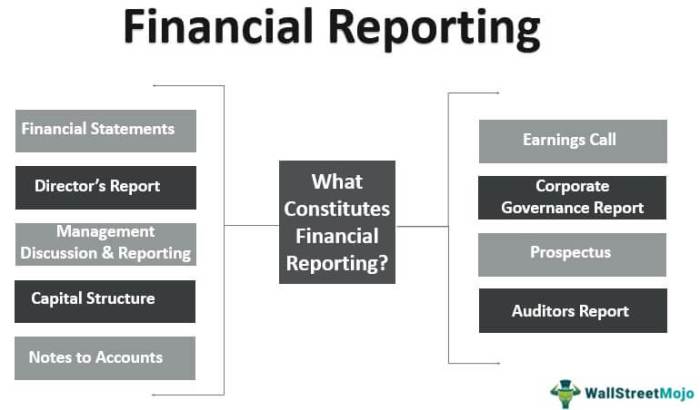



How the Adoption of Digital Currencies Affects Financial Reporting is a critical topic in today’s rapidly evolving financial landscape. The rise of cryptocurrencies and other digital assets presents unprecedented challenges and opportunities for businesses and accountants alike. This exploration delves into the complexities of accounting for these volatile assets, examining their impact on asset recognition, revenue recognition, disclosure requirements, and auditing processes. We will also consider the significant tax implications and the need for robust internal controls in managing the inherent risks associated with digital currency holdings and transactions.
Understanding the accounting implications of digital currencies is paramount for ensuring accurate and transparent financial reporting. This analysis will navigate the intricacies of various accounting standards, highlighting the differences in treatment across jurisdictions and the challenges faced by financial analysts in interpreting financial statements that include digital currency holdings. The goal is to provide a comprehensive overview of the current state of accounting for digital currencies, offering insights into best practices and potential future developments in this dynamic field.
Impact on Asset Recognition and Measurement

The rise of digital currencies presents significant challenges to traditional financial reporting, particularly concerning asset recognition and measurement. The inherent volatility of these currencies necessitates careful consideration of their classification and valuation on balance sheets, as well as the accounting treatment of gains and losses associated with their transactions. This section will explore these challenges, highlighting the differences in how various accounting standards approach the issue.
Volatility and Classification of Digital Currencies
The highly volatile nature of digital currencies significantly impacts their classification and valuation. Unlike traditional fiat currencies, whose value is relatively stable, digital currencies can experience dramatic price swings within short periods. This volatility makes it difficult to determine their fair value at the reporting date, a crucial element in asset recognition. Under both IFRS and GAAP, assets are generally recorded at their fair value, but determining fair value for a highly volatile asset like Bitcoin requires careful consideration of market conditions and potential price fluctuations. Some entities may choose to classify digital currencies as intangible assets, while others may treat them as financial instruments, depending on their intended use and the specific circumstances. The choice of classification directly impacts how the asset is valued and reported on the balance sheet. For example, if classified as a financial asset, unrealized gains or losses might be reported directly in the income statement, while if classified as an intangible asset, the treatment might be different.
Accounting Treatment of Gains and Losses
Gains and losses arising from digital currency transactions are generally recognized in the period in which they occur. However, the specific accounting treatment depends on the classification of the digital currency and the purpose for which it is held. If held for trading purposes, gains and losses are recognized in the income statement immediately. If held as an investment, unrealized gains or losses might be reported in other comprehensive income (OCI) under IFRS, depending on the classification of the asset. Under GAAP, the treatment depends on the classification of the digital currency and whether it is considered a trading security, available-for-sale security, or held-to-maturity security. For example, if a company trades Bitcoin frequently, any gains or losses would be reflected directly in the income statement, impacting profitability for that period. However, if Bitcoin is held as a long-term investment, unrealized gains or losses might not be immediately recognized.
IFRS and GAAP Treatment of Digital Currency Holdings
Both IFRS and GAAP lack specific guidance on accounting for digital currencies. Consequently, companies must apply existing accounting standards by analogy, leading to inconsistencies in practice. IFRS 9 provides guidance on financial instruments, which could be applied to digital currencies held for trading or investment purposes. However, the application requires significant judgment due to the unique characteristics of digital currencies. Similarly, under GAAP, the appropriate accounting treatment depends on the classification of the digital currency as a trading security, available-for-sale security, or held-to-maturity security. The lack of specific guidance often results in diverse accounting treatments across different companies, making comparisons challenging. A consistent approach is crucial for transparency and comparability in financial reporting.
Comparison of Accounting Treatment
| Aspect | Traditional Assets (e.g., Stocks) | Digital Currencies (e.g., Bitcoin) | Key Differences |
|---|---|---|---|
| Classification | Financial Asset (various types) | Financial Asset (often debated; could be intangible asset) | Uncertainty in classification due to unique characteristics |
| Valuation | Fair Value (often readily available market price) | Fair Value (challenging due to volatility; potential for illiquidity) | Volatility impacts fair value determination significantly |
| Gains/Losses | Recognized based on classification (trading, available-for-sale, held-to-maturity) | Recognized based on classification and intent (trading vs. investment); potential for unrealized gains/losses | Treatment of unrealized gains/losses differs based on accounting standards and classification |
| Reporting | Reported in accordance with established standards | Reporting practices vary due to lack of specific guidance | Inconsistencies across companies due to lack of standardized guidelines |
Implications for Revenue Recognition: How The Adoption Of Digital Currencies Affects Financial Reporting

The increasing use of digital currencies presents significant challenges to traditional revenue recognition principles. The volatility inherent in digital currencies, the lack of universally accepted accounting standards, and the complexities of transactions conducted on decentralized platforms all contribute to the difficulty in accurately and consistently recognizing revenue. This section will explore these challenges and provide examples of how businesses are currently addressing them.
The core principle of revenue recognition, as Artikeld in accounting standards like IFRS 15 and ASC 606, centers on the transfer of control of goods or services. However, the nature of digital currency transactions often blurs this line, leading to complexities in determining when revenue should be recognized. The lack of clear legal frameworks surrounding digital currencies in many jurisdictions further exacerbates this issue.
Challenges in Recognizing Revenue from Digital Currency Transactions, How the Adoption of Digital Currencies Affects Financial Reporting
The volatile nature of digital currencies makes it difficult to determine the fair value of goods or services at the point of transaction. Fluctuations in the exchange rate between digital currencies and fiat currencies can significantly impact the reported revenue, potentially leading to misstatements. For example, if a business receives Bitcoin for a service rendered, the revenue recognized will depend on the Bitcoin price at the time of recognition. If the price fluctuates significantly between the transaction date and the reporting date, this could lead to a material misstatement of revenue. Furthermore, the lack of consistent accounting standards specific to digital currencies means that companies may adopt different methods, leading to inconsistencies in financial reporting across the industry.
Impact of Cryptocurrency Mining on Revenue Recognition
Cryptocurrency mining involves using computing power to solve complex mathematical problems, in exchange for newly minted cryptocurrency. The revenue recognition for this activity presents unique challenges. The value of the mined cryptocurrency is uncertain at the time of mining, as its market price fluctuates constantly. Companies might recognize revenue at the point of mining, using the market price at that moment, or they might wait until the cryptocurrency is sold, recognizing revenue at the sale price. Both methods have their limitations and potential for misrepresentation. For example, if a company mines Bitcoin but holds it for a considerable period before selling, a significant change in the Bitcoin price could substantially alter the reported revenue.
Revenue Recognition in Decentralized Finance (DeFi)
Decentralized finance (DeFi) platforms offer a range of financial services, including lending, borrowing, and trading, often without intermediaries. Accounting for revenue generated through DeFi platforms requires careful consideration of the specific service provided and the underlying tokenomics. For example, a business providing a lending service on a DeFi platform might recognize revenue as interest earned on the loans, but the value of that interest, expressed in a specific cryptocurrency, will depend on the market price of that cryptocurrency. Another example involves yield farming, where users stake tokens to earn rewards. The revenue recognition here would depend on the nature of the rewards and whether they represent income from services rendered or gains from trading.
Scenarios and Revenue Recognition Implications
The following scenarios illustrate the varied revenue recognition implications of digital currency transactions:
- Scenario 1: Sale of Goods for Digital Currency: Revenue is recognized at the point of sale, using the fair value of the digital currency at that time. The fair value is typically determined by reference to a reputable exchange rate.
- Scenario 2: Service Provided for Digital Currency: Similar to Scenario 1, revenue is recognized at the point of service completion, using the fair value of the digital currency received.
- Scenario 3: Receipt of Digital Currency as Investment: Revenue is not recognized until the digital currency is sold. Any changes in the fair value of the digital currency are reflected in the balance sheet as unrealized gains or losses.
- Scenario 4: Cryptocurrency Mining: Revenue can be recognized either at the point of mining, using the market price at that time, or at the point of sale of the mined cryptocurrency.
- Scenario 5: DeFi Lending: Revenue (interest) is recognized periodically based on the accrued interest and the fair value of the digital currency at the recognition date.
Disclosure Requirements and Transparency
The increasing use of digital currencies by businesses necessitates clear and comprehensive disclosure to ensure financial statement users understand the associated risks and opportunities. This section examines the key disclosure requirements under various accounting frameworks and offers best practices for transparent reporting of digital currency-related activities. The lack of standardized guidance across jurisdictions highlights the need for robust and consistent disclosure practices.
Key Disclosures for Companies Holding or Transacting in Digital Currencies
Companies engaging with digital currencies must disclose information enabling users to assess the financial impact. This includes details on the nature and extent of digital currency holdings, transaction volumes, gains and losses, and any associated risks. Specifically, this encompasses the type of digital currency held (e.g., Bitcoin, Ethereum), the accounting method used (e.g., fair value, cost), the valuation methodology, and a reconciliation of beginning and ending balances. Furthermore, any impairment losses related to digital currency holdings should be clearly disclosed, along with the rationale behind the impairment calculation. Significant changes in accounting policies relating to digital currencies should also be disclosed.
Comparison of Disclosure Requirements under Different Accounting Frameworks
While there’s no universally adopted standard for digital currency accounting, different frameworks offer varying levels of guidance. For example, under U.S. Generally Accepted Accounting Principles (GAAP), digital currencies are typically classified as intangible assets and measured at fair value, requiring disclosures related to valuation methodologies and uncertainties. International Financial Reporting Standards (IFRS) provide less specific guidance, leaving companies to apply existing standards based on the specific nature of the digital currency and its use. This lack of specific guidance can lead to inconsistencies in reporting practices across companies and jurisdictions. Differences also arise in how unrealized gains and losses are treated, impacting the presentation of financial performance. For instance, some jurisdictions might require unrealized gains to be recognized in the income statement while others might not.
Ensuring Transparency in Reporting of Digital Currency-Related Activities
Transparency in reporting digital currency activities requires a multifaceted approach. This involves using clear and concise language in financial statements, providing sufficient detail about valuation methodologies and assumptions, and regularly updating disclosures to reflect changes in the market and regulatory landscape. Companies should also clearly explain any material uncertainties or risks associated with their digital currency holdings or transactions. Independent audits can play a crucial role in ensuring the accuracy and reliability of reported information. Finally, companies should consider proactively disclosing their digital currency strategy and risk management policies, offering a more comprehensive picture to stakeholders.
Best Practices for Disclosing Information about Digital Currency Exposure and Risks
To enhance transparency and comparability, companies should adopt best practices when disclosing information related to digital currency exposure and risks. This includes:
- Providing a detailed description of the company’s digital currency holdings and activities.
- Clearly explaining the accounting policies used for recognizing, measuring, and disclosing digital currency-related transactions.
- Disclosing the fair value of digital currency holdings and any associated uncertainties or risks.
- Separately reporting gains and losses related to digital currency transactions.
- Providing a sensitivity analysis demonstrating the potential impact of fluctuations in digital currency prices on the company’s financial position.
- Disclosing any significant events or developments that may affect the value or risk profile of digital currency holdings.
- Regularly reviewing and updating disclosures to reflect changes in the market and regulatory landscape.
Adopting these best practices fosters greater investor confidence and contributes to a more stable and transparent market for digital currencies.
Auditing and Assurance Challenges
The rise of digital currencies presents significant challenges for auditors, demanding a shift in traditional auditing methodologies and a deeper understanding of the underlying technologies and risks. Verifying the accuracy of financial information related to digital currencies requires specialized skills and knowledge, as these assets differ significantly from traditional financial instruments. The decentralized and often opaque nature of many digital currency transactions necessitates new audit approaches to ensure the reliability and integrity of financial statements.
Auditors face difficulties in verifying the ownership, valuation, and security of digital currency holdings. The lack of centralized registries for many digital currencies complicates the process of confirming balances and transactions. Furthermore, the volatility of digital currency prices introduces significant valuation challenges, requiring auditors to consider appropriate valuation methods and address potential risks associated with price fluctuations. The potential for fraud, including hacking and theft, also poses a substantial risk, demanding robust audit procedures to mitigate these threats.
Auditor Skills and Knowledge Requirements
Effective auditing of companies involved with digital currencies requires auditors to possess a comprehensive understanding of blockchain technology, cryptography, and the specific characteristics of different digital currencies. This includes knowledge of various consensus mechanisms, smart contracts, decentralized finance (DeFi) protocols, and the regulatory landscape surrounding digital assets. Auditors should also be proficient in using blockchain analytics tools to trace transactions and identify potential irregularities. Beyond technical expertise, auditors need strong analytical skills to interpret complex data sets and assess the risks associated with digital currency holdings and transactions. Finally, a deep understanding of relevant accounting standards and regulations is crucial for appropriate financial reporting.
Audit Procedures for Digital Currency Transactions and Holdings
Verifying digital currency transactions necessitates a multi-faceted approach. Auditors may employ procedures such as: reconciling digital currency wallets with accounting records; reviewing transaction histories on the blockchain to confirm the authenticity and timing of transactions; utilizing blockchain analytics tools to identify unusual activity or potential fraud; and obtaining confirmations from custodians holding digital assets on behalf of the company. For verifying holdings, auditors might perform independent reconciliations of wallet balances, examine cryptographic keys and access controls, and assess the security measures implemented to protect against theft or loss. The specific procedures employed will depend on the nature and scale of the company’s digital currency activities.
Impact of Blockchain Technology on the Audit Process
Blockchain technology presents both opportunities and challenges for the audit process. On the positive side, the inherent immutability of blockchain data can enhance the reliability and auditability of transactions. The transparent and verifiable nature of blockchain records can reduce the reliance on traditional audit procedures and potentially improve audit efficiency. However, the sheer volume of data on a blockchain, combined with the complexity of smart contracts and decentralized applications, can pose significant challenges for auditors. The lack of centralized control over blockchain data can also complicate the audit process, requiring auditors to develop specialized techniques for data extraction and analysis. Furthermore, the potential for manipulation of data on permissioned blockchains needs careful consideration and appropriate audit procedures.
Tax Implications and Reporting
The tax treatment of digital currencies presents significant challenges for both taxpayers and tax authorities worldwide. Unlike traditional assets, digital currencies’ decentralized nature, volatility, and use as both a medium of exchange and a store of value create complexities in determining their appropriate tax classification and the timing of taxable events. This section will explore the diverse approaches taken by different jurisdictions in taxing digital currency transactions and highlight the complexities involved in accurate reporting.
Digital Currency Tax Treatment Compared to Traditional Assets
The tax treatment of digital currencies differs significantly from that of traditional assets like stocks or bonds. Traditional assets generally have clearly defined acquisition and disposal dates, readily available market values, and established tax reporting mechanisms. Digital currencies, however, often lack such clarity. Their value can fluctuate dramatically in short periods, making accurate valuation challenging. Furthermore, the numerous ways digital currencies can be used—trading, staking, mining, or spending—lead to diverse tax implications depending on the specific activity. For instance, the sale of stocks triggers a capital gains tax event upon sale, whereas the use of Bitcoin to purchase goods might be treated as a barter transaction, or a sale with the value of the goods received used to determine the gain. The tax implications are further complicated by the decentralized and pseudonymous nature of many blockchain transactions, making it more difficult to track and monitor them for tax purposes.
Complexities of Reporting Digital Currency Transactions
Reporting digital currency transactions for tax purposes is complex due to several factors. First, accurate record-keeping is crucial. Taxpayers need to meticulously track all transactions, including the acquisition date, cost basis, and disposal date for each digital currency held. This requires maintaining detailed records of wallet addresses, transaction IDs, and exchange rates at the time of each transaction. Second, determining the fair market value of digital currencies at the time of acquisition and disposal can be challenging due to their volatility. Third, the diverse types of transactions involving digital currencies, such as mining, staking, and airdrops, each require different tax treatments, adding another layer of complexity to reporting. Finally, the lack of standardized reporting requirements across jurisdictions further complicates compliance.
Jurisdictional Differences in Digital Currency Taxation
Different jurisdictions have adopted varying approaches to the taxation of digital currencies. Some countries treat digital currencies as property, subject to capital gains taxes on profits from sales. Others classify them as commodities or currencies, leading to different tax treatments. For example, in the United States, digital currencies are generally treated as property for tax purposes, meaning gains and losses are subject to capital gains tax rates. However, the specific rules and regulations can be intricate, depending on the nature of the transaction. In contrast, some countries may have more lenient regulations or lack specific legislation regarding digital currency taxation, resulting in uncertainty and inconsistent application. The European Union is moving toward a more harmonized approach, but significant differences still exist between member states. For instance, while some countries may tax the profits from the sale of Bitcoin, others may not. The regulatory landscape is continuously evolving, requiring taxpayers to stay updated on the latest developments in their jurisdiction.
Tax Implications of Digital Currency Transactions: A Summary
| Country/Region | Tax Treatment | Capital Gains Tax | Other Relevant Taxes |
|---|---|---|---|
| United States | Property | Yes, varies based on holding period | Potential income tax on mining/staking rewards |
| United Kingdom | Property | Yes, subject to Capital Gains Tax | VAT may apply in certain circumstances |
| Canada | Property | Yes, included in income | GST/HST may apply to commercial transactions |
| Singapore | Property | Yes, subject to income tax | Goods and Services Tax (GST) may apply depending on the nature of the transaction. |
Internal Controls and Risk Management
The adoption of digital currencies introduces a new layer of complexity to financial reporting, demanding robust internal controls and a proactive risk management approach. The volatile nature of digital currency markets, coupled with the inherent risks associated with digital asset storage and transaction processing, necessitates a comprehensive framework to mitigate potential losses and ensure the accuracy and reliability of financial information.
Effective internal controls are crucial for organizations involved in digital currency transactions. These controls should address the unique risks associated with this asset class, ensuring compliance with relevant regulations and protecting the organization’s financial interests. A robust framework will incorporate measures to safeguard digital assets, monitor market fluctuations, and manage operational and cybersecurity risks.
Key Risks Associated with Digital Currencies
Holding and transacting in digital currencies presents several significant risks. These include volatility in market prices leading to substantial losses, the risk of theft or loss due to hacking or other security breaches, regulatory uncertainty and evolving legal landscapes, and operational risks associated with the complexities of managing digital wallets and exchanges. Furthermore, counterparty risk, particularly in decentralized exchanges, needs careful consideration. The lack of readily available valuation methods for some digital currencies also presents challenges for accurate financial reporting. For example, a sudden and sharp drop in Bitcoin’s price could significantly impact an organization’s balance sheet if it holds a substantial amount of the cryptocurrency.
Design and Implementation of Internal Controls
Effective internal controls should be designed to address the specific risks identified above. This includes implementing strong cybersecurity measures to protect digital wallets and exchanges from unauthorized access. Regular security audits and penetration testing are essential to identify and address vulnerabilities. Segregation of duties, whereby different individuals are responsible for different aspects of digital currency management, is also critical to minimize the risk of fraud or error. Robust transaction monitoring systems should be in place to detect and prevent suspicious activity. Furthermore, organizations should establish clear policies and procedures for the acquisition, storage, and disposal of digital currencies, ensuring compliance with all applicable regulations. Regular reconciliation of digital currency holdings against internal records is also essential. For example, a two-factor authentication system combined with cold storage for significant holdings can drastically reduce the risk of unauthorized access.
Cybersecurity in Protecting Digital Currency Assets
Cybersecurity is paramount in the context of digital currencies. The decentralized and often anonymous nature of these assets makes them attractive targets for cybercriminals. Robust cybersecurity measures are therefore essential to protect against hacking, malware attacks, and phishing scams. This includes the use of strong passwords, multi-factor authentication, regular software updates, and intrusion detection systems. Employee training on cybersecurity best practices is also crucial to prevent human error from becoming a security vulnerability. Investing in secure hardware wallets and utilizing cold storage for significant holdings are additional measures that can significantly enhance security. For instance, a company might choose to store the vast majority of its cryptocurrency holdings offline in a cold wallet, only transferring smaller amounts to online wallets as needed for transactions.
Best Practices for Managing Risks Associated with Digital Currency Investments
Best practices for managing the risks associated with digital currency investments include diversification across different cryptocurrencies to reduce exposure to individual asset volatility, employing professional investment management expertise to navigate the complexities of the market, and maintaining comprehensive documentation of all transactions and holdings. Regular risk assessments should be conducted to identify and address emerging threats. Organizations should also establish clear risk tolerance levels and adhere to strict compliance protocols. For example, an organization might decide to limit its digital currency investments to a maximum percentage of its total assets to mitigate overall risk. Furthermore, seeking legal and tax advice to ensure compliance with evolving regulations is vital.
Impact on Financial Statement Analysis
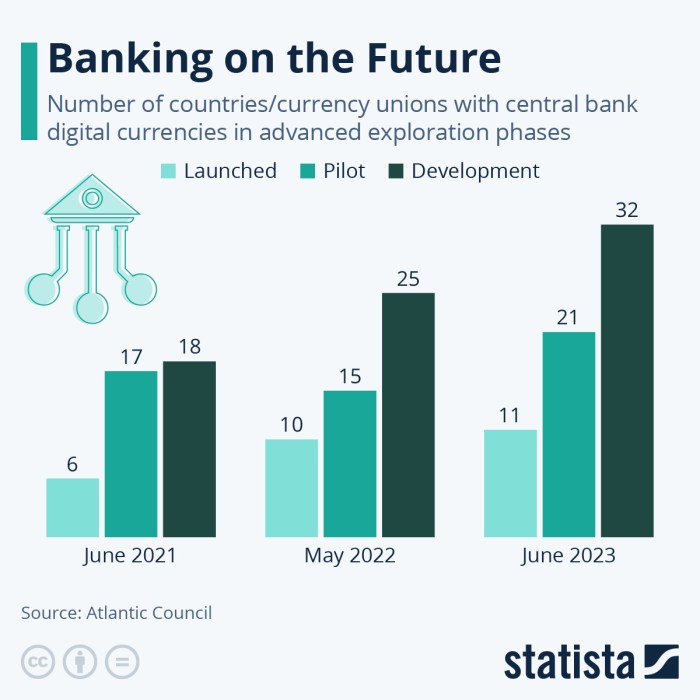
The adoption of digital currencies introduces significant complexities into the interpretation and analysis of financial statements. Traditional accounting principles were not designed to accommodate the volatile nature and unique characteristics of these assets, leading to challenges in accurately assessing a company’s financial health and performance. Analysts must now grapple with new considerations to properly evaluate the financial implications of digital currency holdings and transactions.
The inherent volatility of digital currencies presents a primary challenge for financial statement analysis. Unlike traditional fiat currencies, the value of digital currencies can fluctuate dramatically in short periods, impacting the reported value of assets and potentially distorting key financial ratios. This volatility makes it difficult to determine the true economic value of digital currency holdings at any given point in time, leading to uncertainty in assessing a company’s financial position. Further complicating matters is the lack of standardized accounting practices for digital currencies, resulting in inconsistencies across different companies’ financial reporting.
Challenges in Evaluating Financial Performance
Analysts face several key challenges when evaluating the financial performance of companies utilizing digital currencies. The lack of established accounting standards makes it difficult to compare the financial performance of companies employing different accounting methods for digital currencies. The difficulty in determining fair value due to price volatility introduces uncertainty into key financial metrics such as profitability and liquidity. Additionally, the potential for fraud and manipulation within the digital currency market increases the risk of misreporting and requires heightened scrutiny during the analysis process. Finally, the lack of historical data on digital currencies makes forecasting future performance more challenging compared to traditional assets.
Adjustments to Financial Ratios and Metrics
Several financial ratios and metrics may require adjustments to account for digital currency holdings. For example, the current ratio (current assets / current liabilities), a measure of short-term liquidity, might be overstated if digital currencies are included in current assets at their volatile market value. A more conservative approach might involve using a lower valuation, such as the cost basis, or even excluding digital currencies entirely from the calculation, depending on their intended use. Similarly, return on assets (ROA), a measure of profitability, could be artificially inflated or deflated depending on the changes in the digital currency’s value during the reporting period. Analysts might consider using a weighted average value or applying sensitivity analysis to assess the impact of digital currency fluctuations on ROA. Furthermore, earnings per share (EPS) could be significantly impacted by unrealized gains or losses on digital currency holdings. Adjustments might involve separating the impact of digital currency transactions from core business operations to provide a clearer picture of profitability.
Analyzing Financial Statements of Companies Using Digital Currencies: A Flowchart
The following flowchart Artikels the steps involved in analyzing the financial statements of a company that uses digital currencies:
[A textual representation of a flowchart is provided below. Note that a visual flowchart would be ideal, but as requested, only a textual representation is given.]
Start –> Obtain Financial Statements: Balance Sheet, Income Statement, Cash Flow Statement, Notes to the Financial Statements –> Identify Digital Currency Holdings and Transactions: Review the balance sheet for digital currency assets and the income statement/cash flow statement for related transactions. –> Assess Accounting Methods Used: Determine the accounting treatment applied to digital currency (e.g., fair value, cost basis). –> Evaluate Volatility and Risk: Analyze the price fluctuations of the held digital currencies and assess the associated risks. –> Adjust Financial Ratios and Metrics (if necessary): Modify key ratios such as current ratio, ROA, and EPS to account for the volatility and accounting method used. –> Perform Sensitivity Analysis: Evaluate the impact of different digital currency valuations on key financial metrics. –> Consider Qualitative Factors: Assess the company’s strategy regarding digital currency use, its risk management practices, and regulatory compliance. –> Draw Conclusions: Formulate an opinion on the company’s financial health and performance, considering the impact of its digital currency activities. –> End
Conclusion
The integration of digital currencies into the global financial system necessitates a thorough understanding of their impact on financial reporting. This exploration has highlighted the significant challenges presented by the volatility, regulatory uncertainty, and technological complexities surrounding these assets. From the intricacies of asset valuation and revenue recognition to the crucial need for enhanced transparency and robust internal controls, navigating the financial reporting landscape in the age of digital currencies requires careful consideration and adaptation. Continued dialogue and the development of clear accounting standards are essential to ensure accurate financial reporting and maintain investor confidence in this evolving space.
FAQ Resource
What are the main risks associated with holding digital currencies?
Key risks include price volatility, security breaches (theft or loss of private keys), regulatory uncertainty, and the potential for scams or fraudulent activities.
How do tax authorities typically treat digital currency gains?
Tax treatment varies widely by jurisdiction. Gains are often taxed as capital gains, but specific rules regarding holding periods, cost basis, and reporting requirements differ significantly.
Are there specific accounting standards for digital currencies?
While there isn’t a universally adopted standard specifically for digital currencies, existing standards like IFRS and GAAP provide guidance on how to account for them, often treating them as intangible assets or financial instruments depending on their use.
How does blockchain technology impact the audit process?
Blockchain’s immutability can enhance audit trails and improve transparency. However, the complexity of blockchain technology and the need for specialized skills present challenges for auditors.
Find out further about the benefits of How Global Accounting Firms Adapt to Regional Regulatory Changes that can provide significant benefits.