



How Multinational Corporations Manage Inflation Risk is a critical consideration in today’s volatile global economy. The ability to navigate inflationary pressures effectively is paramount for the long-term success and profitability of these organizations. This exploration delves into the multifaceted strategies employed by multinational corporations (MNCs) to mitigate inflation’s impact, encompassing hedging techniques, dynamic pricing adjustments, resilient supply chain management, and robust financial planning. Understanding these strategies is key to grasping the complexities of international business in an era of fluctuating economic conditions.
From currency and commodity hedging to sophisticated pricing models and proactive supply chain diversification, MNCs utilize a range of tools to minimize exposure to inflation. This analysis will examine both the effectiveness and limitations of these strategies, highlighting the challenges inherent in coordinating global operations during periods of uncertainty. Furthermore, we will explore the crucial role of transparent communication with stakeholders in maintaining confidence and navigating the complexities of inflation’s impact.
Hedging Strategies Against Inflation: How Multinational Corporations Manage Inflation Risk

Multinational corporations (MNCs) operating in a globalized economy face significant risks from inflation, which can erode profitability and asset values across different geographical markets. Effectively managing inflation risk requires a proactive approach, often involving a combination of hedging strategies tailored to the specific circumstances of the company and the nature of its exposures.
Currency Hedging
Currency hedging involves using financial instruments to mitigate the risk of losses arising from fluctuations in exchange rates. Inflation often leads to currency depreciation, impacting the value of foreign earnings or assets. MNCs can use forward contracts, futures contracts, options, and swaps to lock in exchange rates for future transactions, reducing uncertainty and protecting against adverse movements. For example, a US-based MNC with significant operations in Europe might use a forward contract to sell euros at a predetermined rate in the future, thus protecting itself against a potential decline in the value of the euro relative to the dollar. This strategy reduces the risk that inflation in Europe will lead to lower dollar-denominated profits.
Commodity Hedging
Many MNCs rely on commodities as inputs or outputs in their production processes. Inflationary pressures often translate into increased commodity prices, impacting production costs and revenue streams. Commodity hedging involves using futures contracts or options on commodities to lock in prices for future purchases or sales. For example, an agricultural food processing company might use futures contracts to secure the price of wheat or corn, mitigating the impact of rising input costs due to inflation. Similarly, an oil company could hedge against price volatility using options contracts.
Interest Rate Hedging
Inflation typically leads to higher interest rates. This impacts borrowing costs and the value of debt instruments. MNCs can employ interest rate swaps or futures contracts to manage their exposure to interest rate fluctuations. For instance, a company with significant debt denominated in a high-inflation environment might use an interest rate swap to exchange a variable interest rate loan for a fixed-rate loan, thereby reducing the uncertainty surrounding future interest payments.
Comparison of Hedging Strategies
| Strategy | Effectiveness | Risks | Examples |
|---|---|---|---|
| Currency Hedging | High, if implemented effectively and accurately predicting future exchange rates. | Potential for missed opportunities if exchange rates move favorably; cost of hedging instruments. | Forward contracts to sell Euros, options on Japanese Yen. |
| Commodity Hedging | High, particularly for commonly traded commodities. | Basis risk (difference between the price of the hedged commodity and the actual commodity used); liquidity risk. | Futures contracts on wheat, options on crude oil. |
| Interest Rate Hedging | High, especially for predictable interest rate movements. | Complexity; potential for counterparty risk (risk that the other party to the contract will default). | Interest rate swaps, futures contracts on interest rate indices. |
Examples of Derivative Use by Industry Sector
The use of derivative instruments for inflation hedging varies significantly across industry sectors. In the energy sector, oil and gas companies commonly use futures and options contracts to hedge against price fluctuations in crude oil, natural gas, and refined products, thereby mitigating inflation’s impact on input costs and revenue. Within the agricultural sector, companies use futures and options contracts on agricultural commodities (grains, livestock, etc.) to manage input costs and output prices. In the manufacturing sector, companies often hedge against currency fluctuations and interest rate changes using forwards, swaps, and options to manage their international operations and financing costs.
Limitations of Hedging Strategies
While hedging strategies can significantly mitigate inflation risk, they are not without limitations. The effectiveness of hedging depends on the accuracy of market forecasts and the availability of suitable hedging instruments. Hedging can also be costly, and the cost of hedging may outweigh the benefits if inflation turns out to be less severe than anticipated. Furthermore, perfect hedging is impossible; basis risk, counterparty risk, and liquidity risk remain inherent challenges. Unexpected market events can also undermine the effectiveness of hedging strategies. Finally, over-reliance on hedging can lead to a false sense of security and may discourage companies from actively managing their underlying exposure to inflation.
Pricing Strategies and Inflation
Multinational corporations (MNCs) face significant challenges in managing pricing strategies during periods of inflation. The need to maintain profitability while remaining competitive in diverse markets requires careful consideration of various pricing models and their adaptability to fluctuating economic conditions across different countries. Effective pricing strategies are crucial for mitigating the negative impact of inflation on revenue and market share.
Pricing Strategies in Inflationary Environments
MNCs employ several pricing strategies to navigate inflationary pressures. The choice of strategy often depends on factors such as the industry, the competitive landscape, the cost structure of the business, and the price sensitivity of consumers in each target market. Three common approaches are cost-plus pricing, value-based pricing, and competitive pricing.
Cost-Plus Pricing During Inflation
Cost-plus pricing involves calculating the total cost of production and adding a predetermined markup to determine the selling price. During inflation, accurately estimating costs becomes crucial. MNCs must monitor input prices (raw materials, labor, energy) closely and adjust their cost calculations frequently. For example, a manufacturing company might increase its selling price by a percentage reflecting the rise in raw material costs, aiming to maintain its profit margin despite higher production expenses. However, simply passing on all increased costs to consumers may lead to reduced demand, especially if competitors are more successful in managing their pricing.
Value-Based Pricing During Inflation
Value-based pricing focuses on the perceived value of the product or service to the customer. Even during inflation, MNCs can maintain or increase prices if they can convincingly demonstrate that their offering provides superior value compared to competitors. This might involve highlighting product quality, unique features, or superior customer service. For instance, a luxury car manufacturer might justify a price increase by emphasizing the enhanced performance and exclusive features of its vehicles. The challenge lies in effectively communicating the value proposition to consumers who are increasingly price-sensitive during inflationary periods.
Competitive Pricing During Inflation
Competitive pricing involves setting prices based on the prices of competitors. In inflationary environments, this strategy requires close monitoring of competitors’ pricing actions. MNCs might choose to match price increases implemented by their competitors to avoid losing market share, or they might attempt to undercut competitors if they have a cost advantage. However, this approach can lead to price wars, potentially eroding profit margins for all participants. Consider the fast-food industry where competitors often closely mirror each other’s price adjustments, leading to a fairly uniform pricing structure even during periods of inflation.
Coordinating Global Pricing Strategies During Inflation
Coordinating global pricing strategies during inflation presents significant challenges. Inflation rates vary significantly across countries, leading to inconsistent cost pressures and varying consumer price sensitivities. Exchange rate fluctuations further complicate the issue, impacting the profitability of sales in different currencies. Furthermore, local regulations and market dynamics also play a role.
Hypothetical Scenario: Global Pricing Coordination Challenges
Imagine a global beverage company with operations in the US, Brazil, and India. The US experiences moderate inflation, Brazil faces high inflation, and India has relatively stable prices. The company faces challenges in coordinating pricing across these markets. Maintaining consistent global margins becomes difficult because input costs (sugar, packaging) and local taxes differ significantly. A price increase in Brazil to cover high inflation might be unsustainable, losing market share to local competitors. In the US, a smaller price increase might still maintain profitability but lead to accusations of price gouging if consumers perceive the increase as unjustified. In India, the relatively stable pricing environment allows for a more stable pricing strategy, but the company must still consider exchange rate fluctuations that impact profitability.
Pricing Strategies in Developing vs. Developed Economies
MNCs operating in developing economies during high inflation often face greater challenges. Consumers in developing countries tend to be more price-sensitive, limiting the ability of MNCs to pass on increased costs through higher prices. Furthermore, weaker regulatory environments and less predictable economic policies can exacerbate the difficulties. In developed economies, MNCs may have more leverage to adjust prices due to greater consumer purchasing power and more robust regulatory frameworks. However, even in developed economies, high inflation can lead to reduced consumer demand and increased competition, requiring careful pricing strategies to maintain profitability and market share.
Supply Chain Management and Inflation
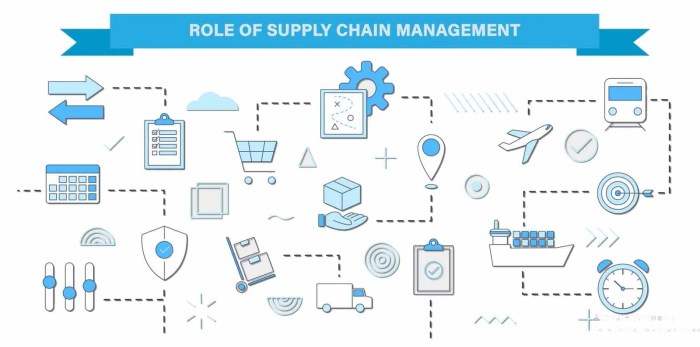
Inflation significantly impacts multinational corporations (MNCs) by disrupting established supply chains and increasing the cost of goods and services. Effective supply chain management is crucial for mitigating these risks and ensuring business continuity. This section explores the vulnerabilities within global supply chains exacerbated by inflation, examines how MNCs are adapting their strategies, and discusses the role of inventory management in navigating these challenges.
Global supply chains, inherently complex and often geographically dispersed, become particularly vulnerable during inflationary periods. The interconnectedness of these chains means that disruptions in one area can quickly cascade throughout the entire system, leading to significant financial losses and operational inefficiencies.
Key Vulnerabilities in Global Supply Chains Exacerbated by Inflation
Several factors within global supply chains are heightened by inflationary pressures. Understanding these vulnerabilities is the first step towards developing effective mitigation strategies.
- Increased Raw Material Costs: Inflation directly increases the cost of raw materials, impacting production costs and profitability. This is particularly true for industries heavily reliant on commodities with volatile prices, such as energy or metals.
- Transportation and Logistics Costs: Fuel price increases, a common symptom of inflation, significantly impact transportation costs across all modes – sea, air, and land. This adds to the overall cost of goods and can delay deliveries.
- Currency Fluctuations: Inflation often leads to currency devaluation, making imports more expensive and reducing the competitiveness of exports. This can disrupt financial planning and increase uncertainty.
- Supplier Financial Instability: Inflation can strain suppliers’ finances, potentially leading to production delays, bankruptcies, or reduced quality. This creates a ripple effect, disrupting the entire supply chain.
- Geopolitical Risks: Inflation can exacerbate existing geopolitical tensions, leading to trade wars, sanctions, or other disruptions that impact the flow of goods and materials.
MNC Reshoring and Nearshoring Strategies
In response to inflation-driven supply chain vulnerabilities, many MNCs are adopting reshoring and nearshoring strategies. These approaches aim to reduce reliance on distant suppliers and improve supply chain resilience.
For example, several apparel companies, facing rising shipping costs and production delays from Asia, have begun to relocate some of their manufacturing operations to countries closer to their key markets, such as Mexico or Vietnam. This reduces transportation costs and lead times, mitigating some inflation-related risks. Similarly, some electronics manufacturers are moving production facilities closer to their consumer bases in North America or Europe to shorten supply chains and reduce dependence on long and volatile global shipping routes. This strategy, while involving higher initial investment, aims for long-term cost savings and increased supply chain stability in the face of inflation.
Obtain direct knowledge about the efficiency of Affiliate Marketing Accounting Tracking Your Income through case studies.
Inventory Management and Just-in-Time Strategies in Managing Inflation Risk
Effective inventory management plays a crucial role in mitigating inflation risk within supply chains. Traditional just-in-time (JIT) inventory strategies, while efficient under stable conditions, can become problematic during periods of high inflation and supply chain uncertainty. The reliance on minimal inventory leaves companies vulnerable to price increases and disruptions.
MNCs are adapting their inventory strategies to balance efficiency with resilience. This often involves holding a higher level of safety stock for critical components or raw materials to buffer against price volatility and supply disruptions. Some companies are also diversifying their supplier base to reduce reliance on any single source, thereby mitigating the impact of potential supplier failures or price hikes from a single vendor. Advanced forecasting techniques and data analytics are being used to better predict demand and optimize inventory levels, minimizing waste while maintaining sufficient stock to meet customer needs even during inflationary periods.
Financial Planning and Inflation
Multinational corporations (MNCs) must carefully integrate inflation forecasts into their financial planning to mitigate potential risks and capitalize on opportunities. Accurate inflation projections are crucial for making informed decisions about resource allocation, investment, and pricing strategies. Failure to account for inflation can lead to significant financial losses and jeopardize long-term profitability.
Inflation significantly impacts an MNC’s long-term financial planning and budgeting processes. Forecasted inflation rates directly influence revenue projections, cost estimations, and ultimately, profitability forecasts. These projections are incorporated into the company’s annual budgets and strategic plans, guiding resource allocation decisions and shaping investment strategies. For example, an MNC anticipating high inflation might prioritize investments in projects with a quick return on investment or focus on pricing strategies that pass on increased costs to consumers.
Inflation’s Impact on Capital Budgeting Decisions
Inflation significantly alters the evaluation of capital budgeting projects. Traditional discounted cash flow (DCF) analysis must be adjusted to account for the eroding purchasing power of future cash flows. This adjustment is typically done by using a real discount rate, which is the nominal discount rate minus the expected inflation rate. Failing to account for inflation in capital budgeting can lead to overestimation of project profitability and potentially lead to poor investment decisions. For instance, a project with a high nominal return might appear less attractive once adjusted for inflation. Furthermore, inflation affects the cost of capital, influencing the hurdle rate used in project evaluation. Increased inflation often leads to higher interest rates, increasing the cost of borrowing and reducing the attractiveness of capital-intensive projects.
A Hypothetical Financial Model
Let’s consider a hypothetical scenario for “GlobalTech,” an MNC operating in the technology sector. GlobalTech is evaluating a new research and development project with an estimated initial investment of $10 million. The project is expected to generate annual cash flows of $3 million for five years.
We will analyze the project’s profitability under three different inflation scenarios: 0%, 3%, and 6%. We’ll use a nominal discount rate of 10%.
| Inflation Rate | Real Discount Rate | Net Present Value (NPV) | Internal Rate of Return (IRR) |
|---|---|---|---|
| 0% | 10% | $2,661,000 | 17.2% |
| 3% | 7% | $1,874,000 | 14.2% |
| 6% | 4% | $1,200,000 | 11.2% |
This simplified model demonstrates how inflation erodes the real value of future cash flows, impacting the project’s NPV and IRR. As the inflation rate increases, the project’s profitability decreases, highlighting the importance of incorporating inflation forecasts into capital budgeting decisions. The model uses a simplified calculation and does not account for all the potential complexities of a real-world scenario. However, it effectively illustrates the impact of inflation on investment appraisal. A more comprehensive model would incorporate factors such as fluctuating exchange rates, tax implications, and risk adjustments.
Risk Assessment and Monitoring
Effective inflation risk assessment and monitoring are crucial for multinational corporations (MNCs) to navigate volatile economic environments and protect their profitability. A proactive approach, encompassing a comprehensive assessment process and continuous monitoring of key indicators, allows MNCs to anticipate potential disruptions and implement mitigating strategies. This section Artikels a structured approach to inflation risk management, focusing on assessment, key performance indicators (KPIs), and the importance of proactive scenario planning.
Proactive risk management requires a structured approach to identifying, assessing, and mitigating inflation’s impact on various aspects of an MNC’s operations. A systematic process enables a more accurate understanding of the company’s exposure and allows for the timely implementation of appropriate countermeasures.
Inflation Risk Assessment Process
A comprehensive inflation risk assessment should be a multi-stage process. First, identify all areas of the business potentially affected by inflation. This includes raw materials, production, labor costs, transportation, and financing. Next, quantify the potential impact of inflation on each identified area. This involves forecasting inflation rates for relevant regions and estimating the sensitivity of costs and revenues to these changes. Third, assess the likelihood of different inflation scenarios. This might involve considering various macroeconomic forecasts and geopolitical events. Finally, develop mitigation strategies based on the assessment, considering the potential cost and effectiveness of each strategy. This structured approach ensures a thorough evaluation of inflation risks and supports informed decision-making.
Key Performance Indicators (KPIs) for Inflation Risk Monitoring, How Multinational Corporations Manage Inflation Risk
Several KPIs are essential for tracking inflation risk and its impact on MNC operations. These KPIs should be monitored regularly to detect early warning signs of significant inflationary pressure and trigger appropriate responses.
- Inflation Rates in Key Markets: Tracking inflation rates in the countries where the MNC operates is paramount. This provides a baseline for understanding the overall inflationary environment.
- Input Cost Inflation: Monitoring the prices of raw materials, energy, and other inputs is crucial for assessing the impact of inflation on production costs. Significant increases might require renegotiating contracts with suppliers or exploring alternative sourcing options.
- Labor Cost Inflation: Wage increases, driven by inflation, can significantly impact operational expenses. Monitoring wage inflation and its impact on labor costs is therefore crucial.
- Pricing Power: Assessing the ability to pass increased costs onto consumers through price increases is critical. A company’s pricing power is a significant factor in its ability to mitigate inflation risk.
- Gross Profit Margin: Monitoring gross profit margin helps determine the effectiveness of pricing strategies and the overall impact of inflation on profitability.
- Currency Exchange Rates: For MNCs with operations in multiple countries, monitoring exchange rates is crucial as currency fluctuations can exacerbate or mitigate the effects of inflation.
Scenario Planning and Stress Testing for Inflation Risk Management
Scenario planning and stress testing are vital tools for preparing for various inflation scenarios. Scenario planning involves developing different possible future scenarios, including high, low, and moderate inflation rates, and analyzing their potential impact on the MNC’s financial performance. Stress testing involves subjecting the company’s financial model to extreme inflation scenarios to assess its resilience and identify potential vulnerabilities. For example, a scenario might simulate a 10% increase in inflation over the next year and assess the impact on profitability, cash flow, and debt levels. This proactive approach allows the MNC to anticipate potential challenges and develop contingency plans to mitigate the impact of unexpected inflationary pressures. By simulating different scenarios, MNCs can identify potential weaknesses and strengthen their resilience to various economic climates. This preparation can be the difference between successfully navigating an inflationary period and experiencing significant financial distress.
Communication and Transparency
Open and honest communication is paramount for multinational corporations (MNCs) navigating inflationary pressures. Transparency regarding inflation risk and its potential impact on the company’s financial health fosters trust with stakeholders, mitigating potential negative consequences and supporting long-term stability. A well-defined communication strategy can significantly reduce uncertainty and maintain confidence during economically challenging times.
Effective communication regarding inflation risk requires a proactive and multi-faceted approach. It’s not merely about informing stakeholders; it’s about building a shared understanding of the challenges and the strategies employed to address them. This involves tailored messaging for different stakeholder groups, considering their specific concerns and information needs. Ignoring or downplaying inflation’s impact can severely damage reputation and erode stakeholder trust.
Communicating Inflation Risks to Investors
Investors need clear and concise information about how inflation affects the company’s profitability, financial forecasts, and investment returns. Regular updates, such as investor calls and quarterly reports, should explicitly address inflation’s impact on key performance indicators (KPIs) and the company’s mitigation strategies. Providing detailed analyses of inflation’s effect on cost structures, pricing strategies, and supply chains demonstrates transparency and accountability. For example, an MNC might explicitly state the expected impact of rising energy costs on its operating margins for the next fiscal year, along with the steps being taken to offset those costs.
Communicating Inflation Risks to Employees
Employees are directly impacted by inflation through reduced purchasing power and potential job security concerns. Open communication about the company’s inflation management strategies, including potential salary adjustments or benefits modifications, can alleviate anxiety and maintain morale. Transparency regarding cost-saving measures, such as reduced operational expenses or revised benefit packages, should be communicated clearly and empathetically, explaining the necessity of such changes within the broader economic context. Town hall meetings or internal newsletters can be effective communication channels. For example, an MNC might announce a plan to offer inflation-adjusted bonuses or to increase employee contributions to health insurance while simultaneously highlighting the steps taken to protect jobs.
Communicating Inflation Risks to Customers
Customers are affected by inflation through higher prices. While price increases are often unavoidable, transparent communication about the reasons behind these increases can build customer understanding and loyalty. Explaining the rising costs of raw materials, transportation, or labor can help customers appreciate the challenges the company faces and foster a sense of shared responsibility. Maintaining high-quality products and services while providing value for money are key to retaining customer trust during inflationary periods. For example, an MNC could explain that the price increase of its product is due to a 20% increase in the cost of a key raw material, and highlight the company’s efforts to maintain product quality despite these increased costs.
Building Trust and Maintaining Stakeholder Confidence
Building trust requires consistent and reliable communication, coupled with demonstrable actions aligned with stated goals. Regular updates on inflation’s impact and the effectiveness of mitigation strategies are crucial. Seeking external audits or independent verification of financial reports can further enhance transparency and build confidence. Active engagement with stakeholders through feedback mechanisms, such as surveys or focus groups, demonstrates a commitment to understanding and addressing their concerns. Furthermore, proactively addressing potential negative impacts on stakeholders, such as offering financial assistance programs for employees facing hardship, can strengthen relationships and foster loyalty. For instance, an MNC could publicly commit to a program of investing in employee training and development to enhance their skills and increase their long-term job security in the face of economic uncertainty.
Concluding Remarks
In conclusion, managing inflation risk for multinational corporations is a continuous and multifaceted process. Successfully navigating this challenge requires a holistic approach encompassing sophisticated hedging strategies, flexible pricing models, robust supply chain management, proactive financial planning, and transparent communication with stakeholders. By understanding and implementing these strategies, MNCs can enhance their resilience and safeguard their long-term profitability in an increasingly unpredictable global landscape. The effectiveness of these strategies ultimately depends on a combination of foresight, adaptability, and a commitment to continuous monitoring and improvement.
Top FAQs
What are the ethical considerations for MNCs in managing inflation risk?
Ethical considerations include ensuring fair pricing practices, avoiding exploitation of suppliers or consumers, and transparent communication about inflation’s impact on pricing and product availability.
How do geopolitical events impact an MNC’s inflation risk management?
Geopolitical instability can significantly increase inflation risk through disruptions to supply chains, currency fluctuations, and increased uncertainty. MNCs need to incorporate geopolitical risk into their inflation risk assessments.
What role does technology play in managing inflation risk for MNCs?
Technology plays a crucial role through advanced forecasting models, real-time data analytics for supply chain monitoring, and improved communication tools for stakeholder engagement.
How do inflation risks differ between emerging and developed markets?
Emerging markets often experience higher and more volatile inflation rates, requiring MNCs to employ more aggressive hedging and pricing strategies compared to developed markets.


