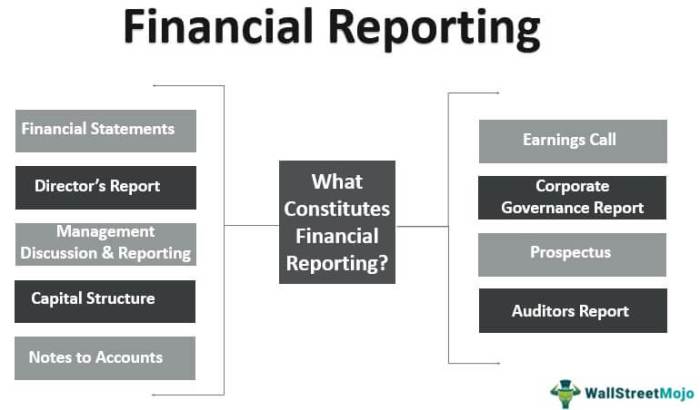




How Consumer Trust in Financial Reporting Affects Market Stability sets the stage for this exploration. The stability of financial markets hinges precariously on the confidence consumers place in the accuracy and transparency of financial reporting. A lack of trust can trigger a domino effect, impacting investment decisions, market volatility, and ultimately, the overall economic health. This analysis delves into the multifaceted relationship between consumer trust, reporting practices, and market stability, examining the roles of regulatory bodies, media influence, technological advancements, and investor behavior.
We will examine how transparency and accurate reporting foster confidence, while misleading information can erode it, leading to potentially devastating consequences. We’ll also consider the influence of behavioral economics, the impact of technological disruptions, and the crucial role of government intervention in maintaining market stability. The discussion will explore both the immediate and long-term effects of fluctuating consumer trust, offering insights into how to build and maintain a robust and reliable financial ecosystem.
The Foundation of Trust
Consumer confidence in financial reporting is paramount to market stability. A robust and trustworthy financial system relies on the belief that reported information accurately reflects the financial health of companies and the economy as a whole. This trust, once eroded, can lead to significant market instability, impacting investment decisions, economic growth, and overall societal well-being.
Consumer trust in financial reporting is multifaceted, encompassing several key components. Transparency ensures that information is readily available and easily understandable to the public. Accuracy demands that the information presented is free from errors and misrepresentations. Timeliness necessitates that the information is disseminated promptly, allowing investors and consumers to make timely decisions. These three pillars – transparency, accuracy, and timeliness – form the bedrock upon which consumer confidence is built. Without them, skepticism and distrust can quickly undermine market confidence.
Components of Consumer Trust
The foundation of consumer trust rests on the belief that financial information is accurate, transparent, and timely. Accuracy implies that financial statements and reports are free from material misstatements and fairly present the financial position and performance of an entity. Transparency means that the reporting process is open and accessible, allowing stakeholders to understand the methodology and assumptions used in generating financial information. Timeliness ensures that information is disseminated promptly, enabling stakeholders to make informed decisions without significant delays. A lack in any of these components can severely damage consumer trust.
Examples of Erosion of Market Stability Due to Lack of Trust
Several historical examples illustrate how a lack of trust in financial reporting can destabilize markets. The Enron scandal, where accounting irregularities concealed massive debt, resulted in the company’s collapse and significantly impacted investor confidence in the energy sector and the broader market. Similarly, the 2008 financial crisis was partly fueled by a lack of transparency and accuracy in the mortgage-backed securities market, leading to a widespread loss of trust in financial institutions and a global recession. These events highlight the significant consequences of compromised financial reporting integrity.
Comparative Analysis of Consumer Trust Across Financial Sectors
Consumer trust levels vary across different financial sectors. Generally, sectors perceived as more transparent and regulated, such as banking (specifically, large established banks), tend to enjoy higher levels of trust than those with less stringent regulatory oversight or a history of scandals. Conversely, sectors such as subprime lending or certain segments of the investment banking industry have historically faced lower levels of consumer trust due to past events and perceived lack of transparency. These varying levels of trust can significantly influence investment patterns and the overall stability of individual markets within the broader financial system. Quantitative data on trust levels, while difficult to definitively capture, would require large-scale surveys and analysis across different sectors and geographies to accurately represent consumer sentiment.
Impact of Misleading or Inaccurate Reporting
Misleading or inaccurate financial reporting severely undermines the foundation of trust in capital markets. Its consequences ripple through the entire financial ecosystem, impacting investor confidence, market stability, and ultimately, the real economy. The ramifications are far-reaching and can have devastating effects, even triggering widespread financial crises.
The cascading effects of inaccurate financial reporting on investor decisions and market behavior are significant. When companies present a distorted picture of their financial health, investors make decisions based on flawed information. This can lead to misallocation of capital, with investors pouring resources into companies that appear stronger than they actually are, while neglecting potentially sound investments. Furthermore, inaccurate reporting can inflate asset prices artificially, creating a bubble that eventually bursts, leading to significant losses for investors and broader market instability. The erosion of trust resulting from such incidents can lead to decreased market liquidity, as investors become hesitant to participate, further exacerbating the downturn.
The Role of Regulatory Bodies in Maintaining the Integrity of Financial Reporting
Regulatory bodies play a crucial role in safeguarding the integrity of financial reporting and mitigating the risks associated with inaccurate information. Organizations such as the Securities and Exchange Commission (SEC) in the United States and similar bodies globally establish accounting standards, conduct audits, and enforce regulations designed to ensure transparency and accuracy in financial disclosures. These regulations mandate specific reporting practices, aiming to standardize information and prevent manipulation. Effective enforcement mechanisms, including penalties for non-compliance, are critical to deterring fraudulent or misleading reporting. The regulatory framework aims to create a level playing field for investors, enabling informed decision-making and promoting market confidence. However, even with robust regulatory oversight, the potential for inaccuracies remains, highlighting the ongoing need for vigilance and adaptation in the face of evolving financial practices.
A Hypothetical Scenario Illustrating Market Downturn Triggered by Misleading Information
Imagine a large, publicly traded technology company, “InnovateTech,” consistently reports exceptionally high revenue growth, fueled by aggressive accounting practices that inflate sales figures and mask mounting debt. Analysts and investors, relying on these seemingly robust financial statements, drive up InnovateTech’s stock price significantly. However, an independent audit eventually reveals the fraudulent accounting practices. This revelation triggers immediate and widespread panic selling. Investors, realizing they were misled, rush to divest themselves of InnovateTech shares, causing a sharp decline in the company’s stock price. The ensuing uncertainty extends beyond InnovateTech, impacting investor confidence in the broader technology sector and potentially triggering a more generalized market downturn. The ripple effect includes decreased investor confidence, reduced investment in other tech companies, and potentially a credit crunch as lenders reassess their risk exposure. This scenario demonstrates how a single instance of misleading information can escalate into a major market crisis, highlighting the critical importance of accurate and transparent financial reporting.
The Role of Transparency and Disclosure
Transparency and comprehensive disclosure are cornerstones of building and maintaining consumer trust in financial reporting. When companies openly share relevant information, investors and the public can make informed decisions, fostering a more stable and efficient market. This section explores the benefits of robust disclosure practices, compares global reporting standards, and identifies areas ripe for improvement.
Proactive and comprehensive disclosure practices significantly bolster trust in financial reporting. Open communication reduces information asymmetry, the imbalance where companies possess more information than investors. This asymmetry can lead to market manipulation and distrust. By proactively disclosing financial performance, risks, and corporate governance practices, companies demonstrate accountability and commitment to transparency, which in turn reduces uncertainty and encourages investor confidence. This confidence translates into lower borrowing costs for companies and increased investment in the market as a whole.
International Variations in Reporting Standards and Their Impact on Market Stability
Different countries employ varying accounting standards and regulatory frameworks, impacting market stability. For example, the International Financial Reporting Standards (IFRS) are widely adopted globally, aiming to harmonize financial reporting practices. However, the degree of enforcement and interpretation can differ across jurisdictions. Countries with robust regulatory frameworks and strong enforcement mechanisms tend to exhibit greater market stability and attract more foreign investment. Conversely, countries with weaker regulations or inconsistent enforcement may experience greater market volatility and reduced investor confidence. The adoption and consistent application of high-quality accounting standards, coupled with effective oversight, are critical for maintaining investor trust and market stability. Variations in these practices can lead to discrepancies in reported financial information, making cross-border comparisons challenging and potentially impacting investment decisions.
Areas for Improvement in Financial Industry Transparency
While significant progress has been made, several areas within the financial industry still require improved transparency. One crucial area is the disclosure of environmental, social, and governance (ESG) factors. While interest in ESG reporting is growing, standardization and comparability remain challenges. More consistent and comprehensive reporting on ESG issues would provide investors with a clearer understanding of a company’s sustainability practices and associated risks, enhancing informed decision-making and fostering trust. Another area requiring attention is the disclosure of complex financial instruments and derivatives. The intricate nature of these instruments often makes it difficult for investors to understand their potential risks, highlighting a need for clearer and more accessible disclosures. Furthermore, greater transparency in executive compensation and corporate governance practices would contribute to increased investor trust and reduce the potential for conflicts of interest. Finally, the timely and accurate disclosure of material events, such as significant accounting changes or legal issues, is paramount to maintaining market integrity and preventing sudden market shocks.
The Influence of Media and Public Perception
Media coverage significantly impacts public understanding and perception of financial reporting, ultimately influencing market stability. The speed and reach of modern media, both traditional and social, mean that news, both accurate and inaccurate, spreads rapidly, potentially affecting investor confidence and market behavior. This section will explore the role of different media types in shaping investor sentiment and Artikel strategies for effective public perception management during periods of market uncertainty.
Media Influence on Investor Sentiment
The way financial news is presented, the tone used, and the platforms utilized all contribute to how investors perceive the stability and trustworthiness of the market. Sensationalized headlines, negative framing, and the spread of misinformation can trigger panic selling and market volatility. Conversely, balanced and factual reporting can foster confidence and stability. The immediacy of social media, while offering opportunities for rapid dissemination of information, also presents challenges in terms of verifying accuracy and combating the spread of rumors.
Impact of Different Media Types on Investor Sentiment
| Media Type | Positive Impact | Negative Impact | Example |
|---|---|---|---|
| Traditional News (e.g., Television, Newspapers) | Detailed analysis, in-depth reporting, established credibility can build trust and understanding. | Slow dissemination of information, potential for bias, may not reach all demographics equally. | A well-researched news report on a company’s strong earnings leading to increased investor confidence. |
| Social Media (e.g., Twitter, Facebook) | Rapid dissemination of information, direct engagement with investors, opportunity to address concerns quickly. | Spread of misinformation and rumors, potential for manipulation, difficulty in verifying information. | A viral tweet containing inaccurate information about a company’s financial health leading to a sharp stock price decline. |
| Financial News Websites | Access to real-time data, expert analysis, comparison tools aiding informed decision-making. | Potential for biased reporting, reliance on algorithms that might prioritize sensationalism over accuracy. | A financial news website providing detailed analysis of a company’s financial statements, leading to a more informed investor base. |
| Blogs and Podcasts | Diverse perspectives, niche expertise, opportunity for engaging content that can reach specific audiences. | Lack of regulation, potential for bias and misinformation, difficulty in verifying the credibility of sources. | A financial blogger’s detailed analysis of a market trend influencing a segment of investors. |
Strategies for Managing Public Perception During Market Uncertainty
Effective communication is crucial during times of market instability. Financial institutions can employ several strategies to maintain public trust and mitigate negative perceptions. These strategies focus on proactive communication, transparency, and consistent messaging.
- Proactive Communication: Regularly disseminate clear, concise, and factual information about the institution’s financial health and its response to market events. This includes timely updates on relevant developments and addressing any concerns proactively.
- Transparency and Disclosure: Maintain open and transparent communication practices, ensuring accurate and timely disclosure of all material information. This fosters trust and helps prevent the spread of misinformation.
- Consistent Messaging: Maintain a consistent message across all communication channels to avoid confusion and contradictory information. This helps reinforce trust and credibility.
- Engaging with Stakeholders: Actively engage with investors, analysts, and the media to address their concerns and provide accurate information. This demonstrates accountability and fosters trust.
- Crisis Communication Plan: Develop and regularly test a comprehensive crisis communication plan to effectively manage information flow and address any negative events swiftly and transparently.
Technological Advancements and Trust
Technological advancements are profoundly reshaping the landscape of financial reporting, impacting both the accuracy and transparency of information dissemination and the overall trust consumers place in financial institutions and markets. The integration of new technologies presents both opportunities and challenges, significantly influencing market stability.
The rise of blockchain technology, for instance, offers a potentially transformative solution to enhance the integrity of financial records. Its decentralized and immutable nature allows for secure and transparent recording of transactions, reducing the risk of manipulation and fraud. Similarly, the application of artificial intelligence (AI) in financial reporting can improve the accuracy and efficiency of auditing processes, identifying anomalies and potential irregularities more effectively than traditional methods. These technologies hold the promise of increased transparency and accountability, fostering greater consumer trust and contributing to a more stable market environment.
Blockchain’s Impact on Financial Reporting Accuracy
Blockchain’s decentralized ledger system provides a secure and transparent record of all transactions. This eliminates the need for a central authority, reducing the risk of data manipulation and increasing the reliability of financial information. For example, a blockchain-based system could track the entire lifecycle of a financial asset, from its origin to its final disposition, providing a complete and auditable trail. This enhanced transparency can significantly improve consumer confidence and market stability by minimizing information asymmetry and enhancing accountability.
AI’s Role in Enhancing Auditing and Fraud Detection, How Consumer Trust in Financial Reporting Affects Market Stability
AI-powered auditing tools can analyze vast datasets far more quickly and thoroughly than human auditors, identifying patterns and anomalies that might indicate fraudulent activity or inaccuracies in financial reporting. These tools can automate many aspects of the audit process, reducing human error and increasing efficiency. For example, AI algorithms can detect inconsistencies in financial statements, flag unusual transactions, and even predict potential risks based on historical data. This improved detection capability can lead to greater trust in the accuracy of financial reports and contribute to a more stable financial market.
Cybersecurity Threats and Erosion of Trust
Despite the potential benefits of new technologies, cybersecurity threats represent a significant challenge to maintaining trust in financial reporting systems. Data breaches, ransomware attacks, and other cyberattacks can compromise the integrity of financial data, leading to inaccuracies and potentially fraudulent activities. The 2017 Equifax data breach, for instance, exposed the personal information of millions of consumers, highlighting the vulnerability of financial systems to cyberattacks and the resulting erosion of public trust. Robust cybersecurity measures are therefore crucial to mitigating these risks and safeguarding the integrity of financial reporting. The development and implementation of sophisticated security protocols, including multi-factor authentication, encryption, and intrusion detection systems, are essential for protecting financial data and maintaining consumer confidence. Furthermore, regular security audits and employee training programs are vital in building a resilient cybersecurity posture.
Behavioral Economics and Investor Reactions: How Consumer Trust In Financial Reporting Affects Market Stability
Behavioral economics significantly impacts how investors process and react to financial reporting information. Departing from the purely rational model of economic decision-making, it acknowledges the influence of psychological biases on investment choices, leading to market fluctuations that aren’t solely driven by fundamental economic factors. Understanding these biases is crucial for both investors and regulators to navigate the complexities of financial markets.
Investors are not always rational actors; cognitive biases frequently distort their judgment. These biases can lead to overreactions to news, creating market volatility that may not accurately reflect the underlying value of assets. Furthermore, the widespread adoption of these biases can amplify market movements, generating bubbles and crashes.
Cognitive Biases and Market Fluctuations
Several cognitive biases demonstrably influence investor behavior and market dynamics. Confirmation bias, for instance, leads investors to selectively seek out and interpret information confirming their pre-existing beliefs, ignoring contradictory evidence. This can result in persistent overvaluation or undervaluation of assets, contributing to market bubbles or crashes. For example, during the dot-com bubble, investors heavily favored internet companies, often overlooking fundamental financial indicators due to confirmation bias, leading to unsustainable valuations. Similarly, herd behavior, where investors mimic the actions of others regardless of individual analysis, can amplify market trends, driving prices further from their intrinsic value. The 2008 subprime mortgage crisis partly illustrates this, where investors followed the trend of investing in mortgage-backed securities without fully understanding the underlying risks. Another relevant bias is the availability heuristic, where investors overemphasize readily available information, often recent news, neglecting long-term trends or less salient data. This can lead to short-term market swings based on fleeting news cycles rather than sound financial analysis.
The Role of Financial Literacy in Mitigating Misinformation
Financial literacy plays a crucial role in mitigating the negative impacts of misleading information and cognitive biases. Individuals with a strong understanding of financial concepts and reporting standards are better equipped to critically evaluate financial information, identify potential biases, and make more informed investment decisions. This improved critical thinking reduces the susceptibility to manipulative reporting and market manipulation based on emotional responses rather than rational analysis. Increased financial literacy empowers investors to make decisions based on factual data and thorough analysis, promoting market efficiency and reducing the likelihood of irrational market swings. Educational initiatives focused on financial literacy, particularly those targeting the understanding of financial statements and risk assessment, are therefore vital in fostering more resilient and rational market behavior. Governments and regulatory bodies have a responsibility to promote financial literacy programs to equip citizens with the tools necessary to navigate the complexities of financial markets effectively.
Government Intervention and Market Regulation
Government intervention plays a crucial role in maintaining market stability, especially when consumer trust in financial reporting erodes. A lack of confidence can lead to market volatility, reduced investment, and economic instability. Regulatory bodies step in to restore faith and protect investors by setting standards, enforcing compliance, and providing oversight.
Government intervention aims to rebuild confidence by ensuring the accuracy and reliability of financial information. This involves establishing clear accounting standards, implementing robust auditing procedures, and imposing penalties for fraudulent or misleading reporting. Such measures aim to create a level playing field, fostering transparency and reducing information asymmetry between companies and investors. The effectiveness of these interventions, however, depends on the strength of the regulatory framework and the enforcement mechanisms in place.
Regulatory Approaches Across Jurisdictions
Different countries adopt varying approaches to regulating financial reporting, reflecting their unique economic structures and legal systems. Some jurisdictions, like the United States, have a highly developed regulatory framework with multiple agencies overseeing different aspects of financial markets. The Securities and Exchange Commission (SEC), for instance, plays a significant role in regulating public companies’ financial disclosures. In contrast, other countries may have a more centralized regulatory body responsible for overseeing all aspects of financial reporting. The European Union, for example, has harmonized its financial reporting standards through the adoption of International Financial Reporting Standards (IFRS), aiming for a more consistent approach across member states. These differences in regulatory approaches can lead to variations in the level of investor protection and market stability across jurisdictions. For example, stricter enforcement of regulations and harsher penalties for non-compliance generally lead to higher levels of trust and more stable markets.
Policy Recommendation for Improving Consumer Protection and Promoting Market Stability
A comprehensive policy recommendation should focus on strengthening existing regulatory frameworks and enhancing enforcement mechanisms. This includes increasing transparency and accountability in financial reporting, improving the quality and independence of audits, and strengthening penalties for non-compliance. Furthermore, investor education initiatives are crucial in promoting a better understanding of financial statements and empowering investors to make informed decisions. These initiatives can include public awareness campaigns, educational resources, and investor protection programs. Finally, international cooperation is vital in ensuring consistent regulatory standards and effective enforcement across borders, preventing regulatory arbitrage and fostering greater trust in global financial markets. A specific example of such a policy could involve establishing an independent, internationally recognized body to oversee the enforcement of accounting standards, ensuring consistent application and reducing jurisdictional disparities. This body could investigate and penalize companies engaging in misleading or fraudulent reporting, regardless of their location, thus deterring such practices and enhancing investor confidence worldwide. This approach would be particularly effective in addressing the issue of cross-border financial transactions, which often present challenges for national regulators.
Long-Term Implications of Erosion of Trust

A sustained decline in consumer trust in financial reporting carries severe and far-reaching consequences for market stability and the broader economy. This erosion undermines the fundamental principle of efficient capital allocation, leading to decreased investment, slower economic growth, and increased systemic risk. The ripple effects can be felt across various sectors, impacting not only investors but also businesses, governments, and ultimately, the general public.
The long-term implications manifest in several ways, ranging from reduced investor participation and market liquidity to increased volatility and difficulty in attracting foreign investment. A lack of trust can create a self-fulfilling prophecy, where doubts about the accuracy of financial information lead to reduced investment, further eroding confidence and potentially triggering a downward spiral. This can lead to prolonged periods of economic stagnation and instability.
Historical Examples of Trust Erosion and Market Instability
Several historical events illustrate the devastating consequences of a loss of trust in financial reporting. The Great Depression, triggered in part by the widespread manipulation and fraudulent practices of the 1920s, serves as a stark example. The lack of transparency and regulatory oversight allowed for speculative bubbles to inflate, ultimately leading to a catastrophic market crash and a prolonged period of economic hardship. Similarly, the 2008 financial crisis, fueled by the subprime mortgage crisis and the widespread use of complex, opaque financial instruments, highlighted the vulnerability of the global financial system to a loss of confidence. The lack of trust in the accuracy of mortgage-backed securities and the credit rating agencies’ assessments contributed significantly to the severity and duration of the crisis. These events underscore the critical role of trust in maintaining a stable and efficient financial system.
Strategies for Rebuilding Consumer Trust
Rebuilding consumer trust after a major financial scandal or crisis requires a multifaceted approach encompassing increased transparency, strengthened regulatory oversight, and proactive measures to enhance accountability. A key element is the swift and decisive prosecution of those responsible for fraudulent activities, sending a clear message that such behavior will not be tolerated. Furthermore, enhancing regulatory frameworks to improve the accuracy and reliability of financial reporting is crucial. This includes strengthening independent auditing processes, implementing stricter penalties for non-compliance, and promoting greater transparency in financial disclosures. Increased investor education can also play a vital role, equipping investors with the knowledge and tools necessary to critically assess financial information and make informed investment decisions. Finally, fostering open communication and dialogue between regulators, businesses, and the public is essential to rebuild trust and confidence in the financial system. A proactive and transparent approach, demonstrating a commitment to ethical practices and accountability, is crucial for restoring public faith in the integrity of financial markets.
Last Word
In conclusion, the intricate interplay between consumer trust in financial reporting and market stability is undeniable. Maintaining public confidence requires a multi-pronged approach encompassing robust regulatory frameworks, transparent reporting practices, effective media management, and the harnessing of technological advancements to enhance accuracy and security. By fostering financial literacy and addressing behavioral biases, we can work towards a more resilient and dependable financial landscape where trust underpins sustainable growth and prosperity. The consequences of neglecting this vital connection are significant and far-reaching, emphasizing the critical need for proactive and collaborative efforts to safeguard the integrity of financial markets.
Common Queries
What are some common reasons for a loss of consumer trust in financial reporting?
Accounting scandals, misleading disclosures, perceived conflicts of interest, and instances of corporate fraud are all significant contributors to a decline in consumer trust.
How can individuals protect themselves from the effects of inaccurate financial reporting?
Diversification of investments, thorough due diligence before making investment decisions, and seeking advice from qualified financial professionals can help mitigate risks associated with unreliable reporting.
What role does financial literacy play in navigating market instability caused by trust issues?
Strong financial literacy empowers individuals to critically assess financial information, understand risk, and make informed decisions, reducing their vulnerability to manipulation and market fluctuations stemming from a lack of trust.
Discover how The Future of Taxation in a Decentralized Global Economy has transformed methods in this topic.