
The Impact of Technology on Traditional Accounting Practices is reshaping the accounting profession at an unprecedented pace. Automation, cloud computing, and data analytics are no longer futuristic concepts but integral components of modern accounting firms. This transformation impacts not only how accountants perform their tasks but also the skills they need to thrive in this evolving landscape. This exploration delves into the significant changes brought about by technological advancements, examining both the opportunities and challenges they present.
From the automation of repetitive tasks to the strategic insights gleaned from data analytics, technology is fundamentally altering the role of the accountant. This shift necessitates a reevaluation of traditional practices and a focus on acquiring new skills to remain competitive. We will investigate the rise of cloud-based accounting software, the transformative potential of blockchain technology, and the critical importance of cybersecurity in protecting sensitive financial data. Ultimately, we aim to provide a comprehensive understanding of this dynamic interplay between technology and the future of accounting.
Automation of Accounting Tasks
The integration of technology, particularly automation tools, has profoundly reshaped traditional accounting practices. Manual processes, once the cornerstone of the profession, are increasingly being replaced by automated systems, leading to significant changes in efficiency, accuracy, and the overall skillset required of accounting professionals. This shift is driven by the need for faster processing, reduced errors, and the ability to handle increasingly large volumes of financial data.
The impact of automation tools like robotic process automation (RPA) on traditional manual accounting processes is substantial. RPA, in particular, uses software robots to mimic human actions in performing repetitive tasks. This allows for the automation of previously labor-intensive processes, freeing up human accountants to focus on more complex and strategic tasks. The benefits extend beyond simple efficiency gains; automation also enhances the overall accuracy and consistency of accounting processes.
Automated Accounting Tasks and Efficiency Gains
Several accounting tasks have experienced significant automation. Data entry, for example, a historically time-consuming process prone to human error, is now largely automated using optical character recognition (OCR) software and intelligent automation platforms. These systems can read invoices, receipts, and other documents directly, extracting key data and automatically populating accounting software. Similarly, bank reconciliation, a process that traditionally required considerable manual effort and time, can be significantly streamlined through automated matching and exception reporting. Automated invoice processing reduces processing times by up to 80%, freeing up valuable staff time for more strategic tasks such as financial analysis and forecasting. Payroll processing, another area ripe for automation, benefits from software that can calculate wages, deduct taxes, and generate pay slips with significantly higher speed and accuracy compared to manual methods.
Accuracy of Automated vs. Manual Accounting
Automated systems generally exhibit higher accuracy rates compared to manual processes in accounting. Human error, a significant factor in manual data entry and processing, is significantly reduced through automation. Automated systems are programmed to follow specific rules and procedures consistently, minimizing the risk of mistakes. While automated systems are not infallible and require careful programming and data validation, their error rates are demonstrably lower than those associated with manual accounting tasks. Studies have shown error rates in manual data entry to be as high as 4%, while well-implemented automated systems can achieve error rates below 1%. This increased accuracy translates to more reliable financial reporting and a reduced risk of compliance issues.
Pros and Cons of Automation in Accounting
| Task | Automation Method | Benefits | Drawbacks |
|---|---|---|---|
| Data Entry | OCR, RPA | Increased speed, reduced errors, improved efficiency | Initial investment cost, potential for data quality issues if input is poor |
| Bank Reconciliation | Automated matching software | Faster reconciliation, reduced manual effort, improved accuracy | Requires clean and consistent bank data, may not handle complex exceptions effectively |
| Invoice Processing | AI-powered invoice processing software | Reduced processing time, improved accuracy, better cash flow management | Integration challenges, potential for system failures, requires ongoing maintenance |
| Payroll Processing | Payroll automation software | Faster processing, reduced errors, improved compliance | High initial investment, need for regular updates, potential security risks |
Rise of Cloud-Based Accounting Software
The shift from on-premise accounting systems to cloud-based solutions represents a significant transformation in the accounting profession. This transition has been driven by advancements in technology, the increasing need for accessibility and collaboration, and the inherent advantages offered by cloud computing in terms of cost-effectiveness and scalability. The implications for traditional accounting practices are profound, impacting everything from data management and client interaction to the very structure of accounting firms.
The move to cloud-based accounting has dramatically altered the landscape of traditional accounting practices. Businesses, particularly small and medium-sized enterprises (SMEs), are increasingly opting for cloud solutions due to their affordability and ease of access. This shift has forced traditional accounting firms to adapt, either by embracing cloud technologies themselves or by facing the risk of becoming obsolete. The implications extend beyond simple software adoption; they necessitate a re-evaluation of workflows, data security protocols, and client service models.
Advantages and Disadvantages of Cloud-Based Accounting Software
Cloud-based accounting software offers several compelling advantages over traditional on-premise systems. Accessibility is paramount; data is readily available from anywhere with an internet connection, eliminating geographical limitations. This enhances efficiency and allows for real-time collaboration among team members and clients. Cost savings are another significant benefit, reducing the need for expensive hardware, software licenses, and IT infrastructure maintenance. Cloud providers typically handle updates and security patches, minimizing IT overhead. However, cloud solutions are not without drawbacks. Security concerns are a major consideration, with reliance on third-party providers introducing potential vulnerabilities. Internet connectivity is essential, and outages can disrupt operations. Data migration from legacy systems can also be complex and time-consuming.
Impact of Cloud Technology on Collaboration and Data Sharing
Cloud technology has revolutionized collaboration and data sharing within the accounting profession. Accountants can now work seamlessly with clients and colleagues, regardless of location. Real-time data access allows for immediate feedback and quicker decision-making. Cloud-based platforms facilitate secure file sharing, eliminating the need for cumbersome email attachments or physical document exchange. This improved collaboration fosters stronger client relationships and streamlines workflows, leading to increased efficiency and improved client service. For example, a client can instantly share their sales receipts with their accountant, allowing for quicker reconciliation and more accurate financial reporting.
Key Features of Popular Cloud-Based Accounting Software
The efficiency gains from cloud-based accounting software are significant. Many popular platforms offer a suite of features designed to streamline accounting processes.
- Automated data entry: Many systems utilize Optical Character Recognition (OCR) technology to automatically extract data from invoices and receipts, reducing manual data entry and minimizing errors.
- Real-time reporting and dashboards: Cloud-based systems provide instant access to financial data, enabling businesses to monitor their performance in real-time and make informed decisions.
- Bank reconciliation tools: These tools automate the process of comparing bank statements with accounting records, reducing the time and effort required for reconciliation.
- Integrated payroll and expense management: Many platforms offer integrated modules for payroll processing and expense tracking, simplifying these crucial tasks.
- Secure data storage and backup: Cloud providers typically employ robust security measures to protect client data, including encryption and regular backups.
Examples of popular cloud-based accounting software include Xero, QuickBooks Online, and Zoho Books, each offering a slightly different range of features and pricing models tailored to diverse business needs. These platforms have become indispensable tools for accountants and businesses alike, significantly impacting the efficiency and accessibility of modern accounting practices.
Data Analytics and Business Intelligence in Accounting
The integration of data analytics and business intelligence (BI) is revolutionizing the accounting profession. Accountants are no longer solely focused on recording and summarizing financial transactions; instead, they are increasingly becoming strategic advisors, leveraging data-driven insights to improve business performance and drive informed decision-making. This shift requires a new skillset, encompassing not only traditional accounting knowledge but also a strong understanding of data analysis techniques and the ability to interpret complex data sets.
Data analytics tools are transforming the role of accountants by enabling them to move beyond the purely transactional aspects of their work. Instead of simply recording data, accountants can now analyze it to identify trends, predict future outcomes, and provide valuable insights to management. This proactive approach allows businesses to anticipate challenges, capitalize on opportunities, and optimize their financial strategies for improved profitability and growth. The ability to extract meaningful insights from large datasets allows accountants to contribute significantly to strategic planning and overall business success.
Data Analysis Techniques in Modern Accounting
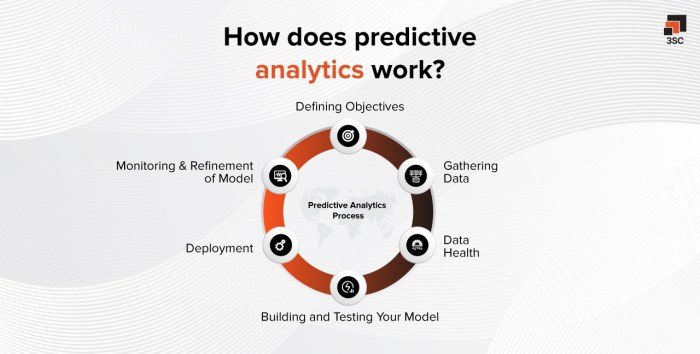
Modern accounting utilizes a variety of data analysis techniques to enhance decision-making. These techniques range from simple descriptive statistics to more sophisticated predictive modeling. Descriptive analytics provide a summary of past performance, identifying key trends and patterns. Diagnostic analytics delve deeper, exploring the reasons behind these trends. Predictive analytics utilize historical data to forecast future outcomes, while prescriptive analytics recommend actions to optimize future results. For instance, predictive modeling can forecast sales based on historical data and market trends, allowing businesses to adjust inventory levels and optimize resource allocation. Diagnostic analytics might investigate unexpected variances in expenses by analyzing cost drivers and operational efficiency.
Comparison of Traditional Financial Statements and Data Analytics Dashboards
Traditional financial statements, such as balance sheets and income statements, provide a valuable historical overview of a company’s financial performance. However, they often lack the granularity and real-time insights offered by data analytics dashboards. Data analytics dashboards can present key performance indicators (KPIs) in a dynamic and visually appealing manner, allowing stakeholders to quickly grasp the current financial health of the business and identify potential areas of concern. For example, a traditional income statement might show a decrease in net income, but a data analytics dashboard could pinpoint the specific product lines or departments contributing to this decline, providing more actionable insights for management. Furthermore, dashboards can integrate data from various sources, providing a more holistic view of the business than traditional statements alone.
Types of Data Analytics Used in Accounting and Their Applications
The following table illustrates different types of data analytics and their applications within the accounting field:
| Type of Data Analytics | Description | Accounting Applications |
|---|---|---|
| Descriptive Analytics | Summarizes historical data to identify trends and patterns. | Analyzing sales trends, identifying peak seasons, tracking key performance indicators (KPIs). |
| Diagnostic Analytics | Investigates the causes of observed trends and patterns. | Analyzing variances in budgets, identifying reasons for unexpected changes in revenue or expenses. |
| Predictive Analytics | Uses historical data to forecast future outcomes. | Forecasting sales, predicting cash flow, assessing credit risk. |
| Prescriptive Analytics | Recommends actions to optimize future outcomes. | Optimizing inventory levels, improving pricing strategies, identifying areas for cost reduction. |
Blockchain Technology and its Potential Impact
Blockchain technology, a decentralized and immutable ledger, holds significant potential to reshape accounting practices. Its inherent security and transparency features offer solutions to long-standing challenges in auditing, transaction verification, and data integrity. By eliminating the need for a central authority, blockchain fosters trust and efficiency across various financial processes.
Blockchain’s revolutionary potential stems from its ability to record and verify transactions across a distributed network. This eliminates single points of failure and reduces the risk of fraud or manipulation. The decentralized nature ensures that all participants have a shared, consistent view of the financial records, fostering increased transparency and accountability.
Enhanced Transparency and Security in Financial Transactions
The immutable nature of blockchain – once a transaction is recorded, it cannot be altered or deleted – provides a high level of security. This is particularly beneficial in preventing fraudulent activities and ensuring the accuracy of financial records. For instance, a company using blockchain to manage its supply chain could track the movement of goods from origin to consumer, ensuring transparency and preventing the sale of counterfeit products. Similarly, blockchain can enhance the security of financial transactions by creating a permanent and verifiable audit trail, making it much harder to manipulate or conceal fraudulent activities. This improved transparency and security could lead to reduced auditing costs and increased investor confidence.
Challenges and Limitations of Blockchain Implementation in Traditional Accounting
Despite its advantages, implementing blockchain technology in traditional accounting environments presents several challenges. Scalability remains a concern, as processing large volumes of transactions on a blockchain network can be computationally intensive and expensive. Furthermore, the lack of standardization and regulatory clarity surrounding blockchain technology creates uncertainty for businesses considering its adoption. Integrating blockchain with existing legacy accounting systems can also be complex and costly, requiring significant investment in infrastructure and expertise. Finally, the technical complexity of blockchain can pose a barrier to adoption for businesses with limited technical capabilities.
Illustrative Example of a Blockchain Transaction in Accounting
Imagine a simple three-party transaction: Company A pays Company B for goods, with Company C acting as an auditor. The transaction is represented as a “block” containing details like date, amount, and parties involved. This block is cryptographically linked to the previous block, creating a chain. Each block is also verified by multiple nodes (computers) on the network, ensuring its authenticity. If someone tries to alter a transaction in a previous block, the cryptographic link would be broken, immediately alerting the network to the attempted manipulation. This process ensures immutability and security, providing a verifiable and tamper-proof record of the transaction. The audit process becomes significantly streamlined, as Company C can easily verify the transaction’s integrity by accessing the shared blockchain ledger. This visual representation demonstrates the inherent security and transparency features of blockchain, ensuring the accuracy and trustworthiness of financial records.
The Changing Skillset of Accountants
The rapid advancement of technology has fundamentally reshaped the accounting profession, demanding a significant shift in the skills and competencies required for success. While traditional bookkeeping skills remain important, the modern accountant must navigate a complex landscape of automated systems, sophisticated data analytics, and evolving regulatory frameworks. This necessitates a move beyond purely transactional tasks towards strategic advisory roles.
The demand for purely transactional accounting skills, such as manual data entry and basic reconciliation, has significantly decreased due to automation. Software now handles much of the routine work previously performed by human accountants. This shift has created a greater need for accountants with advanced analytical, technological, and communication skills.
Changes in Accountant Roles and Responsibilities
Historically, accountants focused primarily on recording financial transactions, preparing financial statements, and ensuring compliance with tax regulations. Their roles were largely operational and focused on accuracy and efficiency in processing data. Modern accountants, however, are increasingly involved in strategic decision-making, utilizing data analytics to identify trends, risks, and opportunities. They act as business advisors, helping organizations make informed financial decisions. This transition involves a greater emphasis on data interpretation, communication, and problem-solving skills, rather than simply processing numbers. For example, a traditional accountant might spend their day reconciling bank statements; a modern accountant might use predictive analytics to forecast cash flow and advise on investment strategies.
Essential Skills for Modern Accountants
The evolving landscape requires continuous professional development to maintain relevance. Accountants must proactively acquire new skills to remain competitive. The following list Artikels key competencies for success in the modern accounting environment:
- Data Analytics and Interpretation: Proficiency in using data analytics tools to extract meaningful insights from financial data. This includes understanding statistical methods, data visualization techniques, and the ability to interpret complex datasets to inform business decisions.
- Technology Proficiency: Competence in using various accounting software, cloud-based platforms, and data management tools. This extends to understanding the limitations and capabilities of different technologies and selecting the appropriate tools for specific tasks.
- Automation and Process Improvement: The ability to identify areas for automation within accounting processes and implement appropriate technologies to streamline workflows and improve efficiency. This includes understanding Robotic Process Automation (RPA) and its potential applications.
- Communication and Collaboration: Strong written and verbal communication skills to effectively convey complex financial information to both technical and non-technical audiences. This also includes collaborating effectively with colleagues, clients, and other stakeholders.
- Business Acumen: A broad understanding of business principles, including finance, strategy, and operations, enabling accountants to provide insightful business advice and contribute to strategic planning.
- Cybersecurity Awareness: Understanding of cybersecurity threats and best practices to protect sensitive financial data. This is crucial given the increasing reliance on digital systems and cloud-based solutions.
The Importance of Continuous Professional Development
The rapid pace of technological change necessitates a commitment to lifelong learning. Accountants must actively seek opportunities for professional development to acquire new skills and stay abreast of industry best practices. This includes pursuing relevant certifications, attending industry conferences, and engaging in online courses and training programs. Failure to adapt and acquire new skills risks obsolescence in a rapidly evolving profession. For instance, pursuing a certification in data analytics or cloud computing can significantly enhance an accountant’s marketability and earning potential.
Cybersecurity and Data Protection in Accounting

The digital transformation of accounting practices has brought unprecedented efficiency and access to information. However, this increased reliance on technology also significantly raises the stakes regarding cybersecurity and data protection. Protecting sensitive financial data – client tax returns, bank statements, payroll information – is paramount, not just for maintaining client trust but also for complying with increasingly stringent regulations. Failure to adequately protect this data can lead to severe financial and reputational damage for both accounting firms and their clients.
The interconnected nature of modern accounting systems, coupled with the rise of remote work and cloud-based solutions, expands the attack surface for cybercriminals. This necessitates a proactive and comprehensive approach to cybersecurity, moving beyond simple antivirus software to a robust, multi-layered security strategy.
Cybersecurity Threats and Vulnerabilities in Accounting
Accounting firms and their clients face a range of cybersecurity threats. Phishing emails designed to steal credentials are a common tactic, often targeting employees with promises of lucrative opportunities or threats of legal action. Malware infections, particularly ransomware, can encrypt critical data, demanding a ransom for its release. Data breaches, resulting from weak passwords, unpatched software, or exploited vulnerabilities, can expose sensitive client information, leading to identity theft and financial loss. Insider threats, either malicious or unintentional, also pose a significant risk. For example, an employee accidentally clicking on a malicious link or using an insecure Wi-Fi network could compromise sensitive data. Furthermore, cloud-based accounting software, while offering many advantages, introduces new vulnerabilities if not properly secured and managed. Improperly configured access controls or a lack of robust data encryption can expose client data to unauthorized access.
Best Practices for Data Protection and Risk Management, The Impact of Technology on Traditional Accounting Practices
Effective data protection and risk management require a multifaceted approach. This includes implementing robust access controls, regularly updating software and security patches, employing strong password policies and multi-factor authentication, and conducting regular security awareness training for employees. Data encryption, both in transit and at rest, is crucial to protect data from unauthorized access even if a breach occurs. Regular data backups, stored securely offline, are essential for business continuity in the event of a ransomware attack or system failure. Compliance with relevant regulations, such as GDPR (General Data Protection Regulation) or CCPA (California Consumer Privacy Act), is mandatory, requiring accounting firms to implement specific data protection measures and notification procedures in case of a data breach. Finally, a comprehensive incident response plan should be in place, outlining steps to be taken in the event of a security incident, including containment, eradication, recovery, and post-incident analysis.
Cybersecurity Measures for Accounting Firms
Implementing a robust cybersecurity strategy requires a multi-pronged approach. Accounting firms should consider the following measures:
- Regular Security Awareness Training: Educate employees on phishing scams, malware, and social engineering tactics.
- Strong Password Policies and Multi-Factor Authentication (MFA): Enforce strong, unique passwords and implement MFA for all user accounts.
- Data Encryption: Encrypt data both in transit and at rest to protect it from unauthorized access.
- Regular Software Updates and Patching: Keep all software and systems up-to-date with the latest security patches.
- Firewall and Intrusion Detection/Prevention Systems: Implement firewalls and intrusion detection/prevention systems to monitor and block malicious traffic.
- Data Backup and Recovery: Regularly back up data and store backups securely offline.
- Access Controls: Implement role-based access controls to limit access to sensitive data based on user roles and responsibilities.
- Regular Security Audits and Penetration Testing: Conduct regular security audits and penetration testing to identify and address vulnerabilities.
- Incident Response Plan: Develop and regularly test an incident response plan to handle security breaches effectively.
- Compliance with Regulations: Ensure compliance with relevant data protection regulations, such as GDPR and CCPA.
Final Review

In conclusion, the integration of technology into traditional accounting practices is not merely an evolution but a revolution. While challenges exist, the benefits – increased efficiency, enhanced accuracy, improved decision-making, and heightened security – are undeniable. The accountant of the future will be a strategic advisor leveraging technology to provide valuable insights and support informed business decisions. Embracing continuous professional development and adapting to the evolving technological landscape are crucial for accountants to maintain relevance and thrive in this new era.
FAQ Explained: The Impact Of Technology On Traditional Accounting Practices
What are the biggest challenges in implementing cloud-based accounting software?
Data security concerns, the learning curve for staff, and potential integration issues with existing systems are common challenges.
How does blockchain technology improve auditing processes?
Blockchain’s immutable ledger provides enhanced transparency and traceability, making audits more efficient and reliable.
What new skills are most in-demand for accountants today?
Data analytics, cybersecurity awareness, cloud computing proficiency, and programming skills are highly sought after.
What are the ethical considerations of using AI in accounting?
Bias in algorithms, data privacy concerns, and the potential for job displacement are key ethical considerations.
Explore the different advantages of How Accounting Practices Influence Market Competitiveness that can change the way you view this issue.