

The Impact of Regulatory Changes on Accounting Practices significantly shapes the financial landscape. This exploration delves into the evolution of global accounting regulations, examining the influence of key regulatory bodies and the crucial role of consistent standards in transparent financial reporting. We’ll analyze how recent changes affect financial statements, internal controls, auditing processes, and corporate governance, highlighting industry-specific challenges and technological adaptations. The journey will uncover the complexities and future trends impacting businesses worldwide.
From the intricacies of IFRS 17 to the challenges of implementing AI in compliance, we’ll unpack the real-world implications for companies navigating this ever-evolving regulatory environment. This analysis will provide insights into how organizations can proactively adapt, ensuring both compliance and operational efficiency in the face of continuous change.
Introduction
The landscape of accounting practices is constantly evolving, driven by a complex interplay of economic shifts, technological advancements, and, most significantly, regulatory changes. These changes aim to enhance transparency, accountability, and the overall reliability of financial reporting, impacting businesses globally. Understanding the scope of these regulatory shifts is crucial for anyone involved in the financial world, from accountants and auditors to investors and regulators themselves.
The evolution of accounting regulations has been a gradual yet transformative process. Early accounting practices were largely informal and varied considerably across different regions and industries. The need for standardized reporting became increasingly apparent as businesses expanded and international trade flourished. This led to the development of national accounting standards, often influenced by local legal and economic contexts. However, the growth of multinational corporations and cross-border investments highlighted the need for globally consistent standards to facilitate comparison and reduce information asymmetry.
Major Regulatory Bodies and Their Influence, The Impact of Regulatory Changes on Accounting Practices
Several key regulatory bodies exert significant influence on global accounting practices. The International Accounting Standards Board (IASB), based in London, is responsible for developing and promoting the International Financial Reporting Standards (IFRS). IFRS are widely adopted across many countries, providing a framework for consistent financial reporting. In the United States, the Financial Accounting Standards Board (FASB) sets Generally Accepted Accounting Principles (GAAP), which are primarily used domestically. Other influential bodies include national regulatory agencies, such as the Securities and Exchange Commission (SEC) in the United States, which oversees the implementation and enforcement of accounting standards within their respective jurisdictions. The differing standards and enforcement mechanisms can create complexities for multinational corporations operating in multiple jurisdictions.
The Significance of Consistent Accounting Standards
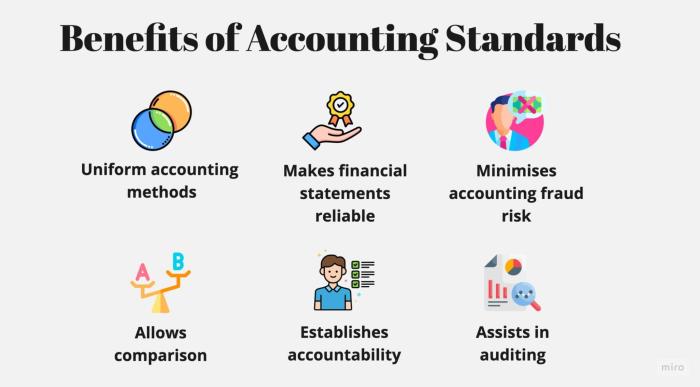
Consistent accounting standards are fundamental to the integrity of financial markets. They provide a common language for reporting financial information, enabling investors, creditors, and other stakeholders to compare the financial performance and position of different companies accurately. This comparability reduces information asymmetry, fostering greater trust and efficiency in capital markets. Without consistent standards, investors would face significant challenges in making informed decisions, potentially leading to misallocation of capital and market instability. The adoption of IFRS by many countries has been a significant step towards global harmonization, but differences in interpretation and enforcement still exist, presenting ongoing challenges. For example, the adoption of IFRS 9 (Financial Instruments) led to significant changes in how financial institutions account for credit risk, illustrating the far-reaching impact of regulatory changes on accounting practices.
Impact on Financial Reporting Standards

Recent regulatory changes have significantly impacted financial reporting standards, leading to alterations in how companies present their financial performance and position. These changes often necessitate adjustments to accounting practices and internal controls, impacting the preparation of key financial statements. The subsequent sections will detail these effects.
Effects on Key Financial Statements
Regulatory changes, particularly those related to accounting standards, directly affect the balance sheet, income statement, and cash flow statement. For example, new revenue recognition standards (like IFRS 15) significantly altered how companies recognize revenue, directly impacting the income statement and potentially the balance sheet (through accounts receivable). Similarly, changes in lease accounting (IFRS 16) shifted how lease obligations are reported, affecting both the balance sheet (with the recognition of right-of-use assets and lease liabilities) and the cash flow statement (through changes in operating and financing cash flows). These changes necessitate a comprehensive review and potential overhaul of existing accounting systems and processes.
Pre- and Post-Regulation Reporting Requirements for Specific Financial Metrics
Comparing pre- and post-regulation reporting requirements highlights the impact of regulatory changes. Before IFRS 17 (Insurance Contracts), insurance companies reported insurance contracts using a variety of methods, often leading to inconsistencies in financial reporting. After IFRS 17, a consistent, principles-based approach was introduced, requiring a more comprehensive and detailed presentation of insurance liabilities and related income. This resulted in a shift from a focus on earned premiums to a focus on the present value of future cash flows related to insurance contracts. Similarly, the adoption of IFRS 9 (Financial Instruments) significantly altered how financial assets and liabilities are measured and reported, leading to increased volatility in reported earnings for some institutions. Pre-IFRS 9, many companies used simpler models for impairment; post-IFRS 9, expected credit loss models became mandatory, leading to earlier recognition of potential losses.
Examples of Company Adaptations to New Regulations
Many companies have adapted their financial reporting processes to comply with new regulations. This often involves significant investments in new accounting software, training for accounting staff, and the development of new internal controls. For instance, banks have invested heavily in upgrading their IT systems to handle the more complex calculations required by IFRS 9. Insurance companies have undertaken extensive projects to implement the new accounting model mandated by IFRS 17, involving changes to their actuarial processes and IT infrastructure. These adaptations often require significant time and resources but are crucial for ensuring compliance and maintaining the credibility of financial reporting.
Comparison of Reporting Requirements: IFRS 17
| Metric | Pre-IFRS 17 | Post-IFRS 17 |
|---|---|---|
| Insurance Liabilities | Varied methods, often leading to inconsistencies | Measured at present value of future cash flows using a consistent model |
| Revenue Recognition | Based on earned premiums | Reflects the transfer of control of goods or services |
| Financial Statement Presentation | Less detailed and consistent presentation | More detailed and standardized presentation |
| Disclosure Requirements | Limited disclosures | Extensive disclosures of assumptions and methods used |
Effects on Internal Controls and Auditing
Regulatory changes significantly impact internal control systems and auditing practices. New regulations often necessitate adjustments to internal processes, documentation, and oversight, ultimately influencing the reliability and assurance provided by internal controls and external audits. The increased scrutiny and potential penalties for non-compliance drive organizations to strengthen their control environments.
Changes in regulatory frameworks directly affect the design and implementation of internal controls. Organizations must adapt their systems to meet the specific requirements of the new regulations, which can involve significant investments in technology, training, and process redesign. This adaptation is crucial to mitigate risks and ensure compliance.
Impact on Internal Control Systems
The implementation of new regulations often necessitates a reassessment of existing internal controls. Companies may need to implement new controls to address specific regulatory requirements, such as enhanced data security measures to comply with data privacy regulations (e.g., GDPR or CCPA) or more robust financial reporting processes to comply with updated accounting standards (e.g., IFRS 17). This often involves updating control documentation, conducting thorough risk assessments, and implementing automated controls to improve efficiency and accuracy. For instance, a company subject to stricter environmental regulations might need to implement a new system for tracking waste disposal and environmental impact, complete with regular audits and reporting mechanisms.
Changes in Auditing Procedures
New regulations frequently lead to modifications in auditing procedures. Auditors must incorporate the requirements of the new regulations into their audit plans, focusing on areas of heightened risk. This may involve expanding the scope of testing, using new audit techniques, and enhancing documentation to demonstrate compliance with regulatory requirements. For example, the introduction of new financial reporting standards often requires auditors to develop new procedures for testing the implementation and application of those standards. The increased emphasis on data analytics in auditing also reflects the influence of regulatory changes.
Challenges Faced by Auditors
Auditors face several challenges when adapting to new regulatory frameworks. These challenges include keeping abreast of the rapidly evolving regulatory landscape, developing the necessary expertise to apply new auditing techniques, and managing the increased workload and complexity associated with compliance audits. Furthermore, obtaining sufficient, reliable audit evidence in the face of increasing data volumes and complexity can be demanding. The cost of compliance also increases, requiring auditors to adapt their pricing and service models. This is especially true with regulations that require specialized expertise or extensive testing.
Examples of Strengthened Internal Controls
Many companies have proactively strengthened their internal controls in response to regulatory changes. Some examples include the implementation of robust data governance frameworks to ensure data accuracy and integrity, enhanced cybersecurity measures to protect sensitive information, and the development of more rigorous whistleblower protection programs. These enhancements reflect a broader commitment to corporate governance and risk management, driven by the increased regulatory scrutiny and potential consequences of non-compliance. Companies that operate in highly regulated industries, such as finance and healthcare, have often invested heavily in strengthening their internal control systems to mitigate the risk of penalties and reputational damage. For instance, financial institutions have invested in advanced fraud detection systems and enhanced Know Your Customer (KYC) procedures to comply with anti-money laundering regulations.
Implications for Corporate Governance
Regulatory changes significantly impact corporate governance, altering the balance of power, responsibilities, and accountability within organizations. These changes often necessitate adjustments to internal structures, processes, and reporting mechanisms to ensure compliance and maintain investor confidence. The ripple effects extend across the entire corporate landscape, influencing strategic decision-making and long-term sustainability.
Regulatory changes directly influence the structures and operations of corporate governance. New accounting standards, for example, may require boards of directors to establish more robust oversight committees dedicated to financial reporting and risk management. Similarly, regulations aimed at improving transparency might necessitate changes to internal communication protocols and the frequency of reporting to stakeholders. The overall effect is a shift towards a more formalized and regulated governance framework.
Influence on Board of Directors and Senior Management Roles
Regulatory changes redefine the roles and responsibilities of the board of directors and senior management. Boards are increasingly held accountable for the accuracy and completeness of financial reporting, requiring them to possess a deeper understanding of accounting principles and internal controls. Senior management bears the primary responsibility for implementing and maintaining compliance with new regulations. This often involves significant investment in training, technology, and internal audit functions. The consequences of non-compliance can range from financial penalties to reputational damage and even criminal charges for senior executives.
Impact on Corporate Transparency and Accountability
Enhanced transparency and accountability are central goals of many regulatory reforms in the accounting field. Regulations often mandate more detailed and frequent disclosures, including information on risk management practices, internal controls, and executive compensation. This increased transparency aims to improve investor confidence and reduce information asymmetry between management and shareholders. Furthermore, stricter enforcement mechanisms and penalties for non-compliance aim to increase accountability and deter fraudulent or negligent behavior.
Hypothetical Scenario: Non-Compliance Consequences
Imagine a publicly traded company, “Alpha Corp,” fails to adopt a new revenue recognition standard (e.g., IFRS 15) within the stipulated timeframe. This non-compliance leads to materially misstated financial statements, overstating revenue and profits. As a result, the company’s stock price initially rises based on the inflated figures. However, once the misstatements are discovered (perhaps through an internal audit or regulatory investigation), the stock price plummets, causing significant losses for investors. The board of directors faces intense scrutiny, potentially leading to lawsuits, resignations, and reputational damage. Senior management, responsible for implementing the accounting standards, could face criminal charges for fraud or negligence. Alpha Corp might also face substantial fines and regulatory sanctions, potentially impacting its ability to secure future financing. This scenario highlights the critical importance of prompt and accurate compliance with accounting regulations for maintaining sound corporate governance and preserving the company’s long-term viability.
Impact on Specific Industries: The Impact Of Regulatory Changes On Accounting Practices

Regulatory changes in accounting significantly impact various industries, necessitating adaptations in their financial reporting, internal controls, and overall operational strategies. The effects vary depending on the industry’s unique characteristics, such as its regulatory environment, business model, and level of financial complexity. This section examines the differential impact across several key sectors.
Banking Industry Regulatory Changes
The banking industry operates under stringent regulatory oversight, primarily due to its systemic importance and susceptibility to financial crises. Changes in regulations, such as those stemming from Basel Accords or Dodd-Frank Act, directly influence accounting practices. For instance, stricter capital adequacy requirements necessitate changes in how banks calculate and report their risk-weighted assets, impacting their reported capital ratios and profitability. Increased transparency demands lead to more detailed disclosures on loan portfolios and derivatives, adding complexity to financial reporting. Banks often respond by investing heavily in new technologies and expertise to ensure compliance and accurate reporting. This can involve significant upfront costs but is crucial for maintaining operational stability and regulatory compliance.
Technology Industry Regulatory Changes
The technology sector faces evolving regulatory landscapes regarding data privacy, cybersecurity, and intellectual property. Regulations like GDPR in Europe and CCPA in California have significantly impacted how tech companies account for and protect user data. The costs associated with data security and compliance, including investments in security infrastructure and legal expertise, are substantial and directly impact profitability. Furthermore, revenue recognition for software-as-a-service (SaaS) models has been subject to ongoing interpretation and regulatory clarification, leading to adjustments in revenue reporting and potentially impacting investor perception. Companies have adapted by enhancing data security protocols, investing in compliance infrastructure, and refining their revenue recognition policies.
Manufacturing Industry Regulatory Changes
Manufacturing industries are subject to regulations concerning environmental protection, product safety, and labor practices. Changes in environmental regulations, for example, can lead to increased costs associated with waste management and emission control. These costs must be accurately reflected in the financial statements, impacting profitability. Furthermore, changes in product safety standards can lead to product recalls and associated costs, requiring detailed accounting and reporting of these events. Companies respond by implementing robust environmental management systems, enhancing product quality control, and improving internal controls to accurately track and report these costs.
Industry-Specific Impacts Summary
The following bulleted list summarizes the industry-specific impacts of regulatory changes on accounting practices:
- Banking: Increased complexity in capital adequacy calculations, stricter loan loss provisioning, and enhanced transparency requirements leading to higher compliance costs and potentially impacting profitability.
- Technology: Significant investments in data security and privacy compliance, complexities in revenue recognition for subscription-based models, and potential impact on profitability due to increased compliance costs.
- Manufacturing: Increased costs associated with environmental compliance, product safety, and labor regulations, impacting profitability and requiring robust internal controls for accurate cost tracking and reporting.
Technological Adaptations in Accounting
The rapid evolution of technology has profoundly impacted accounting practices, particularly in the face of increasingly complex and frequent regulatory changes. Companies are leveraging technological advancements not only to meet compliance requirements but also to streamline processes, enhance efficiency, and gain valuable insights from their financial data. This section explores the role of technology in adapting to new accounting regulations and the challenges and opportunities associated with its implementation.
Technology has become indispensable in helping companies adapt to new accounting regulations. The sheer volume and complexity of new rules necessitate efficient tools for data management, analysis, and reporting. Software solutions, designed to incorporate the latest regulatory updates, automate many previously manual tasks, reducing the risk of human error and freeing up accountants to focus on higher-value activities like analysis and strategic decision-making. For example, cloud-based accounting software automatically updates its tax calculations to reflect changes in tax laws, eliminating the need for manual adjustments and ensuring compliance.
Data Analytics and Automation in Ensuring Compliance
Data analytics plays a crucial role in identifying potential compliance risks before they escalate into significant problems. By analyzing large datasets, companies can pinpoint anomalies, trends, and patterns that might indicate a deviation from regulatory standards. Automation further enhances compliance by reducing manual processes prone to errors. Automated workflows for tasks such as journal entry processing, reconciliation, and reporting ensure consistency and accuracy, minimizing the likelihood of non-compliance. For instance, automated reconciliation systems can instantly flag discrepancies between bank statements and internal records, allowing for prompt investigation and correction.
Challenges of Implementing New Technologies
Implementing new technologies to meet regulatory requirements presents several challenges. The initial investment in new software and hardware can be substantial, requiring careful planning and budgeting. Furthermore, integrating new technologies with existing systems can be complex and time-consuming, potentially disrupting workflow and requiring significant employee training. Resistance to change among staff accustomed to traditional methods can also hinder successful implementation. Finally, ensuring data security and privacy in the context of new technologies is paramount, requiring robust security measures and compliance with relevant data protection regulations. For example, a company migrating to a cloud-based accounting system needs to ensure the chosen provider adheres to stringent security standards to protect sensitive financial data.
Specific Technologies Enhancing Compliance and Efficiency
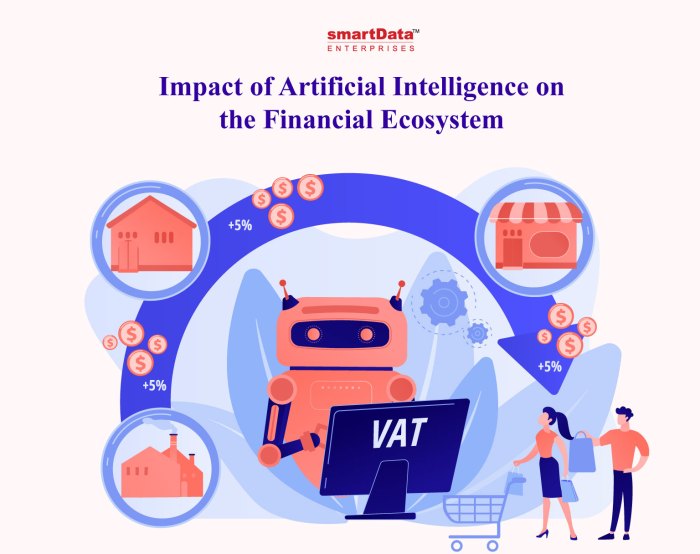
Artificial intelligence (AI) is transforming accounting by automating complex tasks, such as fraud detection and financial forecasting. AI algorithms can analyze vast amounts of data to identify unusual patterns that might indicate fraudulent activity, significantly improving the effectiveness of internal controls. Blockchain technology, with its inherent transparency and immutability, offers the potential to enhance the security and accuracy of financial transactions and reporting. By recording transactions on a distributed ledger, blockchain can reduce the risk of fraud and improve auditability. For example, a company could use blockchain to track the entire lifecycle of an invoice, from creation to payment, providing an auditable trail of all transactions.
Challenges and Future Trends
Navigating the ever-shifting landscape of accounting regulations presents significant challenges for businesses of all sizes. The complexity of these regulations, coupled with the increasing pace of change, necessitates a proactive and adaptable approach to ensure compliance and maintain financial stability. Failure to adapt effectively can lead to substantial financial penalties, reputational damage, and operational disruptions.
The key challenges companies face stem from the inherent complexity of new regulations, the need for substantial investment in technology and training, and the potential for differing interpretations across jurisdictions. Moreover, the increasing integration of technology in accounting processes requires continuous upskilling and adaptation. The pressure to maintain accuracy and efficiency while navigating these complexities creates a significant burden on accounting departments.
Key Challenges in Adapting to Evolving Accounting Regulations
Companies face numerous hurdles in adapting to evolving accounting regulations. These include the cost of implementation, which can be substantial, especially for smaller businesses. This includes the expense of new software, employee training, and potential consultancy fees. Another significant challenge is the time required to understand and implement new regulations, which can disrupt daily operations. The risk of non-compliance, with its associated penalties and legal repercussions, is also a major concern. Finally, ensuring consistency and accuracy across different jurisdictions and reporting standards presents a complex logistical challenge. For instance, the adoption of IFRS 17 in the insurance industry required significant investment and restructuring of processes to ensure accurate reporting.
Potential Future Trends in Accounting Regulations and Their Implications
Future trends in accounting regulations are likely to be shaped by several key factors, including increased globalization, technological advancements, and a growing focus on sustainability and environmental, social, and governance (ESG) factors. We can anticipate a greater emphasis on real-time reporting and data analytics, driven by the increasing availability of big data and advanced analytical tools. Regulations are also expected to increasingly incorporate ESG considerations, requiring companies to disclose more detailed information about their environmental impact, social responsibility initiatives, and governance structures. This will necessitate significant changes to accounting practices and reporting frameworks. For example, the Task Force on Climate-related Financial Disclosures (TCFD) recommendations are already influencing reporting practices, and we can expect more formalized regulatory frameworks in this area in the future.
Proactive Preparation for Future Regulatory Changes
Companies can proactively prepare for future regulatory changes by implementing several key strategies. This includes establishing a robust system for monitoring regulatory developments and staying informed about upcoming changes. Investing in advanced accounting software and technology can help streamline processes and improve efficiency, while also providing the capacity to handle more complex reporting requirements. Companies should also prioritize employee training and development to ensure that their accounting teams possess the necessary skills and knowledge to navigate evolving regulations. Developing strong internal controls and compliance programs can help mitigate the risk of non-compliance and ensure accuracy in reporting. Finally, engaging with industry associations and regulatory bodies can provide valuable insights and facilitate a smoother transition to new regulations. Companies that adopt a proactive and adaptable approach will be better positioned to navigate the challenges of evolving accounting regulations and maintain their financial health and reputation.
Anticipated Evolution of Accounting Practices
A visual representation of the anticipated evolution of accounting practices could be depicted as a dynamic, upward-trending graph. The x-axis would represent time, showing the progression of years. The y-axis would represent the complexity and sophistication of accounting practices, with the line steadily increasing. Different points along the line could represent milestones, such as the adoption of new standards (e.g., IFRS 17), increased integration of technology (e.g., AI-powered audit tools), and the incorporation of ESG factors into reporting. The overall trend would demonstrate a shift towards more complex, technology-driven, and data-rich accounting practices, reflecting the evolving regulatory landscape and the growing demand for transparency and accountability. The graph would clearly illustrate the increasing need for proactive adaptation and continuous improvement in accounting processes to keep pace with these developments.
Epilogue
In conclusion, understanding the impact of regulatory changes on accounting practices is paramount for businesses aiming for sustainable growth and robust financial health. Adapting to evolving standards requires proactive strategies, technological integration, and a strong commitment to transparency and accountability. By embracing the challenges and leveraging innovative solutions, companies can navigate the complexities of the modern financial landscape and ensure their long-term success. The ongoing evolution of regulations necessitates a continuous learning approach, fostering resilience and adaptability within the accounting profession.
User Queries
What are the penalties for non-compliance with accounting regulations?
Penalties vary widely depending on the jurisdiction and the severity of the non-compliance. They can range from financial fines and legal action to reputational damage and even criminal charges.
How often are accounting regulations updated?
The frequency of updates varies, but major regulatory bodies often release revisions and new standards periodically, sometimes annually, to address evolving business practices and economic conditions.
How can small businesses effectively manage compliance with accounting regulations?
Small businesses can leverage accounting software, seek professional advice from accountants familiar with the relevant regulations, and implement robust internal control systems tailored to their size and operations.
Browse the implementation of Employee Benefits Accounting Guide in real-world situations to understand its applications.