


The Importance of Financial Integrity in Strengthening Global Markets is paramount in today’s interconnected world. A robust global economy relies heavily on trust and transparency within financial systems. Without these crucial elements, investor confidence erodes, economic stability weakens, and sustainable growth becomes significantly more challenging. This exploration delves into the multifaceted nature of financial integrity, examining its impact on various stakeholders and exploring the critical roles of regulation, technology, and ethical conduct in fostering a more resilient and prosperous global marketplace.
We will analyze existing regulatory frameworks, highlighting both their successes and shortcomings in combating financial crime. Furthermore, we will investigate the transformative potential of technological advancements, such as blockchain and AI, in enhancing transparency and accountability. The discussion will also address the importance of cultivating a strong ethical culture within financial institutions and the necessity of international cooperation in tackling cross-border financial misconduct. Ultimately, the goal is to illuminate the path towards a more financially sound and equitable global economy.
Defining Financial Integrity in Global Markets

Financial integrity in global markets is a multifaceted concept crucial for sustainable economic growth and stability. It encompasses a robust framework of transparency, accountability, and ethical conduct across all financial transactions and operations. A lack of financial integrity undermines trust, distorts market mechanisms, and ultimately hinders the efficient allocation of capital.
Financial integrity is not merely the absence of fraud; it represents a proactive commitment to responsible financial practices. It requires a holistic approach involving robust regulatory frameworks, effective corporate governance, and a culture of ethical behavior among all market participants. This commitment is essential for fostering investor confidence, attracting foreign direct investment, and promoting overall economic development.
Manifestations of a Lack of Financial Integrity
The absence of financial integrity manifests in various ways, often with devastating consequences. Examples include accounting scandals involving the deliberate misrepresentation of financial statements to inflate earnings or conceal liabilities. These actions deceive investors and creditors, leading to significant financial losses and eroding public trust. Furthermore, money laundering, tax evasion, and bribery undermine the rule of law and distort market competition. These illicit activities siphon off resources that could be used for productive investments, hindering economic growth and exacerbating social inequalities. Insider trading, where individuals exploit non-public information for personal gain, represents another significant breach of financial integrity, creating an unfair and inefficient market.
Stakeholders Impacted by Financial Integrity Issues
The consequences of compromised financial integrity are far-reaching, impacting a wide range of stakeholders. Investors, who rely on accurate and reliable financial information to make informed investment decisions, are directly harmed by fraudulent activities and misleading disclosures. Consumers, who may be exposed to substandard products or services due to unethical business practices, also suffer. Governments, responsible for maintaining the stability of the financial system and collecting taxes, face significant revenue losses and challenges in regulating markets when financial integrity is compromised. Finally, the broader economy suffers from decreased investment, reduced economic growth, and a loss of confidence in the fairness and efficiency of the market.
Hypothetical Scenario: Compromised Financial Integrity in a Multinational Corporation
Imagine a multinational corporation, “GlobalTech,” operating in multiple countries. To boost short-term profits, GlobalTech’s management engages in aggressive accounting practices, underreporting expenses and overstating revenues. This initially leads to increased stock prices and executive bonuses. However, the truth eventually emerges, triggering a sharp decline in the company’s stock price, significant losses for investors, and potential legal repercussions. GlobalTech’s reputation suffers irreparable damage, impacting its ability to attract future investments and compete effectively in the market. Governments in the countries where GlobalTech operates may impose substantial fines and sanctions. Employees lose their jobs, and consumers who relied on GlobalTech’s products or services experience disruptions. This scenario highlights the cascading effects of compromised financial integrity, impacting not only the corporation itself but also a vast network of stakeholders.
The Role of Regulations and International Standards: The Importance Of Financial Integrity In Strengthening Global Markets
International regulations and standards play a crucial role in fostering financial integrity within global markets. A robust regulatory framework is essential for deterring illicit financial flows, promoting transparency, and building trust among market participants. The effectiveness of these frameworks, however, varies considerably depending on their design, enforcement, and the degree of international cooperation.
Existing international regulations aim to combat various forms of financial crime, including money laundering, terrorist financing, and tax evasion. These regulations often rely on a combination of “know your customer” (KYC) and “anti-money laundering” (AML) rules, requiring financial institutions to verify the identity of their clients and monitor transactions for suspicious activity. However, the effectiveness of these measures is often hampered by a lack of consistent implementation across jurisdictions, inadequate resources for enforcement, and the ability of criminals to exploit loopholes and weaknesses in the system.
Effectiveness of Existing International Regulations
The effectiveness of existing international regulations in promoting financial integrity is a complex issue. While significant progress has been made in establishing international standards and frameworks, challenges remain. For instance, the Financial Action Task Force (FATF), a global standard-setter, has developed recommendations to combat money laundering and terrorist financing. However, the implementation and enforcement of these recommendations vary widely across countries, leading to inconsistencies and vulnerabilities. Furthermore, the rapid evolution of financial technologies and the increasing sophistication of criminal activities often outpace the development and adaptation of regulations. This necessitates a continuous cycle of review, update, and improvement to ensure regulations remain relevant and effective. Effective implementation requires significant resources, technical expertise, and political will from participating countries. Lack of any of these can severely hinder the effectiveness of even the most well-designed regulations.
Comparison of Global Regulatory Frameworks
Different regulatory frameworks used globally to combat financial crime exhibit both similarities and differences. Many jurisdictions have adopted AML/CFT (Anti-Money Laundering/Combating the Financing of Terrorism) regulations based on the FATF recommendations. However, the specific requirements and enforcement mechanisms can vary significantly. Some countries have robust regulatory bodies and strong enforcement capabilities, while others lack the resources or political will to effectively implement these regulations. This disparity creates challenges for international cooperation and can lead to regulatory arbitrage, where criminals exploit weaker jurisdictions to avoid scrutiny. The European Union, for example, has a comprehensive regulatory framework encompassing banking supervision, securities regulation, and AML/CFT measures, characterized by a high degree of harmonization among member states. In contrast, some developing countries may have less developed regulatory systems and face greater challenges in implementing and enforcing international standards.
Weaknesses in Current Regulations and Potential Improvements
Several loopholes and weaknesses exist in current regulations. One significant challenge is the anonymity offered by certain financial instruments and structures, such as shell companies and offshore accounts. These can be exploited to conceal the beneficial ownership of assets and facilitate illicit activities. Another weakness lies in the lack of effective information sharing and collaboration between different jurisdictions. This makes it difficult to track cross-border financial flows and identify criminals operating across multiple countries. Improvements could include strengthening beneficial ownership transparency requirements, enhancing international cooperation through improved data sharing mechanisms, and developing more sophisticated technologies to detect and prevent financial crime. Increased use of artificial intelligence and machine learning could help identify suspicious patterns and transactions more effectively. Moreover, a focus on capacity building in developing countries to enhance their regulatory and enforcement capabilities is crucial.
Key International Organizations Involved in Setting Financial Integrity Standards
| Organization Name | Mandate | Key Achievements | Challenges Faced |
|---|---|---|---|
| Financial Action Task Force (FATF) | Develop and promote the adoption of international standards to combat money laundering, terrorist financing, and proliferation financing. | Development of 40 Recommendations, establishment of a global network of member countries, and peer review processes. | Ensuring consistent implementation of standards across all member countries, adapting to rapidly evolving financial technologies, and addressing the challenges posed by non-cooperative jurisdictions. |
| International Monetary Fund (IMF) | Promote international monetary cooperation, secure financial stability, facilitate international trade, promote high employment and sustainable economic growth, and reduce poverty around the world. This includes aspects related to financial sector regulation and oversight. | Providing technical assistance and policy advice to countries on strengthening their financial sectors and combating financial crime. | Balancing the need for financial stability with the promotion of economic growth, addressing the challenges posed by global interconnectedness, and managing the diverse needs of member countries. |
| World Bank | End extreme poverty and promote shared prosperity. This includes work on governance, anti-corruption, and financial sector development. | Providing financial and technical assistance to developing countries to improve their governance and regulatory frameworks, including those related to financial integrity. | Addressing the diverse needs and challenges of developing countries, coordinating efforts with other international organizations, and ensuring the effectiveness of assistance programs. |
| Basel Committee on Banking Supervision (BCBS) | Develop globally consistent regulatory frameworks for banks to enhance financial stability. | Development of Basel Accords, setting global standards for capital adequacy, liquidity, and risk management for banks. | Ensuring the effective implementation of Basel standards across jurisdictions, adapting to the evolving banking landscape, and addressing concerns about regulatory burden on banks. |
Impact on Economic Growth and Stability
Financial integrity is not merely a regulatory concern; it is the bedrock upon which sustainable economic growth and stability are built. A robust and transparent financial system fosters trust, attracting both domestic and foreign investment, ultimately fueling economic expansion. Conversely, a lack of financial integrity erodes confidence, leading to capital flight, reduced investment, and ultimately, slower economic growth and increased volatility.
The relationship between financial integrity and sustainable economic growth is multifaceted. When investors have confidence in the fairness and transparency of financial markets, they are more willing to commit capital, stimulating innovation, job creation, and overall economic prosperity. This confidence is directly linked to the effectiveness of regulatory frameworks, the strength of institutions, and the prevalence of ethical business practices. Conversely, a lack of integrity – marked by corruption, fraud, and regulatory failures – undermines investor confidence, leading to capital flight, market instability, and slower economic growth. This can manifest in decreased foreign direct investment (FDI), higher borrowing costs for businesses, and ultimately, a reduction in overall economic output.
Examples of Financial Scandals and Their Impact
Several high-profile financial scandals illustrate the devastating consequences of a lack of financial integrity. The 2008 global financial crisis, triggered in part by widespread mortgage fraud and lax regulatory oversight, serves as a stark example. The crisis led to a sharp contraction in global economic activity, widespread job losses, and a prolonged period of economic uncertainty. Similarly, the Enron scandal in the early 2000s, involving massive accounting fraud, severely damaged investor confidence and led to significant losses for investors and employees. These events highlight the systemic risk posed by financial misconduct and the cascading effects it can have on the global economy. The subsequent tightening of regulations and increased scrutiny of corporate governance practices demonstrate the reactive measures taken to restore confidence and prevent future crises.
Correlation Between Strong Financial Institutions and a Robust Global Economy
Strong financial institutions, characterized by effective supervision, robust regulatory frameworks, and a commitment to transparency and accountability, are crucial for a healthy global economy. These institutions provide the essential infrastructure for efficient capital allocation, risk management, and the smooth functioning of financial markets. They facilitate the flow of capital from savers to investors, supporting economic growth and development. Countries with well-developed and well-regulated financial systems tend to attract more foreign investment, enjoy higher levels of economic growth, and experience greater stability during economic downturns. Conversely, weak or corrupt financial institutions can hinder economic development, increase the vulnerability of economies to shocks, and ultimately, impede sustainable growth. The World Bank and the International Monetary Fund (IMF) consistently emphasize the importance of strong financial institutions and sound regulatory frameworks as key elements for achieving sustainable economic development.
Key Economic Indicators Influenced by Financial Integrity
A nation’s level of financial integrity significantly influences several key economic indicators. These include:
- Foreign Direct Investment (FDI): Higher levels of financial integrity attract more FDI, indicating investor confidence in the stability and transparency of the market.
- Gross Domestic Product (GDP) Growth: A robust financial system facilitates investment and economic activity, leading to higher GDP growth.
- Inflation Rate: Financial instability can lead to inflationary pressures, eroding purchasing power and economic stability.
- Exchange Rate Volatility: A lack of financial integrity can lead to uncertainty and volatility in exchange rates, impacting international trade and investment.
- Credit Rating: A nation’s credit rating reflects its financial health and stability, influenced heavily by its level of financial integrity. A higher rating typically leads to lower borrowing costs for the government and businesses.
- Stock Market Performance: Strong financial integrity fosters investor confidence, leading to better stock market performance.
The Role of Technology and Innovation
Technological advancements are rapidly reshaping the global financial landscape, offering both unprecedented opportunities and significant challenges for strengthening financial integrity. The application of innovative technologies presents a powerful toolset for enhancing transparency, accountability, and ultimately, the stability of global markets. However, careful consideration of the inherent risks is crucial to ensure responsible and effective implementation.
The integration of technology, particularly blockchain and artificial intelligence (AI), holds immense potential for bolstering financial integrity. These technologies offer sophisticated mechanisms to track transactions, identify suspicious activities, and enhance the overall efficiency and security of financial systems. This section will explore the specific roles of these technologies, along with associated risks and opportunities for fraud prevention.
Blockchain Technology and Enhanced Transparency
Blockchain’s decentralized and immutable nature provides a robust framework for enhancing transparency and traceability in financial transactions. Every transaction is recorded on a distributed ledger, making it virtually impossible to alter or delete information retrospectively. This enhanced transparency helps to deter fraudulent activities and improves auditability. For example, the use of blockchain in supply chain finance allows for real-time tracking of goods and payments, reducing the risk of fraud and improving efficiency. Furthermore, blockchain-based identity systems can help to verify the identities of individuals and organizations involved in financial transactions, reducing the risk of identity theft and money laundering. While implementation challenges exist, such as scalability and regulatory uncertainty, the potential benefits for improving financial integrity are significant.
Artificial Intelligence and Fraud Detection
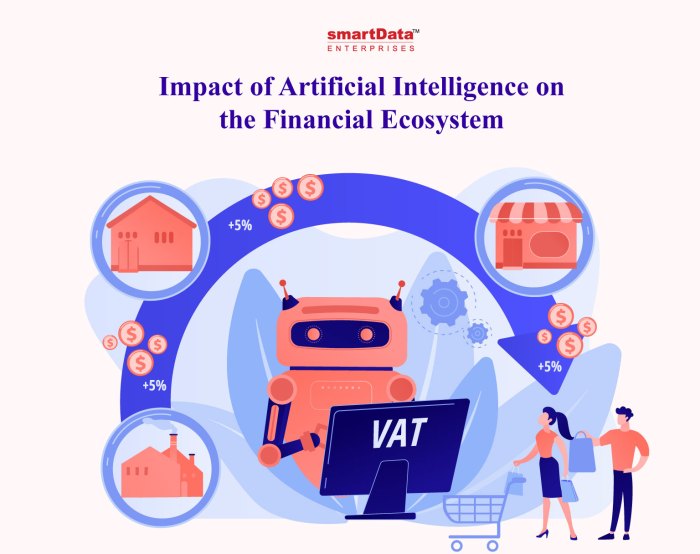
AI-powered systems are increasingly being employed to detect and prevent financial fraud and money laundering. These systems can analyze vast datasets of financial transactions to identify patterns and anomalies that might indicate fraudulent activity. AI algorithms can learn and adapt over time, becoming more effective at identifying sophisticated fraud schemes. For instance, AI can be used to detect unusual spending patterns on credit cards, identify suspicious wire transfers, and flag potentially fraudulent insurance claims. However, the effectiveness of AI-based fraud detection systems depends on the quality and completeness of the data used to train the algorithms. Biased or incomplete data can lead to inaccurate or unfair results.
Innovative Technologies for Preventing Financial Fraud and Money Laundering
Several innovative technologies are being leveraged to combat financial crime. Regtech solutions, which combine regulatory compliance with technology, are streamlining compliance processes and improving the efficiency of regulatory oversight. Suptech solutions, which leverage technology to enhance the supervisory capabilities of regulators, provide a more comprehensive view of the financial system and help identify emerging risks. These technologies, coupled with advanced analytics and data visualization tools, enable regulators and financial institutions to better understand and respond to evolving threats. For example, the use of network analysis can help to identify complex money laundering schemes involving multiple entities and jurisdictions.
Benefits and Challenges of Fintech in Improving Financial Integrity
The use of fintech to improve financial integrity presents both significant benefits and considerable challenges.
The following points highlight these aspects:
- Benefits: Increased transparency and traceability of transactions; Enhanced fraud detection and prevention capabilities; Improved regulatory compliance; Greater efficiency and reduced costs; Increased financial inclusion.
- Challenges: Data security and privacy concerns; Regulatory uncertainty and lack of harmonization; Potential for bias and discrimination in AI-powered systems; Difficulties in integrating new technologies with legacy systems; Need for skilled workforce and infrastructure development.
Fostering a Culture of Ethical Conduct
Financial integrity in global markets isn’t solely dependent on robust regulations; it thrives on a foundation of ethical conduct. A culture that prioritizes honesty, transparency, and accountability within financial institutions is crucial for building trust, attracting investment, and ensuring long-term stability. This section explores the vital role of corporate social responsibility, best practices for ethical culture building, the power of education and training, and a hypothetical corporate ethics program.
Corporate Social Responsibility and Financial Integrity are inextricably linked. A commitment to CSR demonstrates a company’s dedication to ethical practices beyond mere profit maximization. This includes responsible environmental stewardship, fair labor practices, and community engagement. By aligning their business operations with societal values, financial institutions build a stronger reputation, attract and retain talent, and foster trust with stakeholders, ultimately contributing to a more robust and reliable financial ecosystem. Companies known for their ethical conduct are less likely to engage in risky or fraudulent behavior, thus promoting financial integrity.
Corporate Social Responsibility’s Contribution to Financial Integrity
Demonstrating a genuine commitment to CSR initiatives directly bolsters financial integrity. For instance, a bank that invests in sustainable energy projects not only reduces its environmental impact but also showcases its commitment to long-term value creation, a key element of financial stability. Similarly, a company that prioritizes fair labor practices minimizes the risk of reputational damage from exploitation accusations, maintaining trust with investors and clients. This enhanced trust translates into increased investment and lower borrowing costs, strengthening the financial system as a whole. Conversely, companies lacking in CSR initiatives often face higher risks, such as boycotts, legal challenges, and decreased investor confidence.
Best Practices for Building a Strong Ethical Culture
Building a strong ethical culture requires a multi-faceted approach. It begins with leadership commitment: senior management must actively champion ethical conduct and set the tone from the top. This includes establishing clear ethical guidelines, implementing robust compliance programs, and ensuring that ethical considerations are integrated into all business decisions. Transparency is also key; fostering open communication channels encourages employees to report potential ethical breaches without fear of reprisal. Regular ethics training, coupled with a strong whistleblower protection policy, helps cultivate a culture of accountability and responsibility. Finally, regular ethical audits and assessments can identify vulnerabilities and areas for improvement, ensuring the organization remains vigilant in maintaining its ethical standards.
The Role of Education and Training in Raising Awareness, The Importance of Financial Integrity in Strengthening Global Markets
Education and training play a pivotal role in fostering a culture of ethical conduct. Comprehensive programs should cover relevant legal and regulatory frameworks, ethical decision-making frameworks, and real-world case studies illustrating the consequences of unethical behavior. Interactive workshops and simulations can provide practical experience in navigating ethical dilemmas. Ongoing training ensures that employees remain up-to-date on evolving ethical standards and best practices. Furthermore, educating employees on the interconnectedness of ethical conduct and financial integrity underscores the importance of individual actions in contributing to a stable and reliable global financial system.
Hypothetical Corporate Ethics Program for a Global Financial Services Company
This hypothetical program for a global financial services company, “GlobalFin,” incorporates several key components:
A comprehensive Code of Conduct: Clearly articulating GlobalFin’s values, principles, and expectations regarding ethical behavior, covering areas such as conflict of interest, bribery, data privacy, and environmental responsibility.
Ethics Training Program: A mandatory program for all employees, incorporating online modules, interactive workshops, and case studies. This would be tailored to different roles and responsibilities within the company.
Whistleblower Protection Policy: A robust system ensuring employees can report ethical violations confidentially and without fear of retaliation. This includes dedicated reporting channels and independent investigations.
Ethical Decision-Making Framework: Providing employees with a structured process for identifying, analyzing, and resolving ethical dilemmas, potentially incorporating a decision-making matrix.
Regular Ethics Audits and Assessments: Periodic reviews of GlobalFin’s ethical compliance, identifying areas for improvement and addressing any emerging risks. These audits would be conducted by independent third-party assessors.
Implementation would involve phased rollout, beginning with leadership training and the development of the Code of Conduct. This would be followed by employee training, the establishment of reporting channels, and the implementation of the ethical decision-making framework. Ongoing monitoring and evaluation would be crucial for the program’s success, ensuring continuous improvement and adaptation to changing circumstances. This multi-pronged approach, focusing on education, accountability, and continuous improvement, would create a robust ethical foundation for GlobalFin’s operations.
International Cooperation and Collaboration

International cooperation is paramount in combating cross-border financial crime, a challenge that transcends national borders and requires a unified global response. The interconnected nature of modern finance means illicit activities can easily exploit jurisdictional gaps, necessitating collaborative efforts to effectively track, investigate, and prosecute offenders. Effective strategies require shared intelligence, harmonized regulations, and mutual legal assistance.
The success of global financial integrity hinges on the effectiveness of international collaboration. Various models exist, each with its strengths and weaknesses, illustrating the complex landscape of international cooperation in this field.
Models of International Collaboration
Several models facilitate international collaboration in combating financial misconduct. These include bilateral agreements between individual countries, regional initiatives focusing on specific geographical areas, and multilateral frameworks involving numerous nations and international organizations. Bilateral agreements allow for tailored cooperation based on specific needs and relationships between two countries. Regional initiatives, such as those within the European Union, offer a coordinated approach within a defined geographical area. Multilateral frameworks, such as those established by the Financial Action Task Force (FATF), provide a broader, global perspective and standards for combating money laundering and terrorist financing. The choice of model often depends on the nature of the crime, the jurisdictions involved, and the resources available. For example, a complex money laundering scheme involving multiple countries would likely necessitate a multilateral approach, while a smaller-scale fraud might be handled through a bilateral agreement.
Challenges in Coordinating International Efforts
Coordinating efforts across multiple jurisdictions presents significant challenges. Differences in legal systems, data privacy regulations, and investigative techniques can hinder information sharing and joint operations. Furthermore, varying levels of political will and resource allocation among nations can impact the effectiveness of collaborative initiatives. Language barriers and differing levels of technical expertise also contribute to communication difficulties. The lack of a universally recognized standard for data formats and the existence of legal obstacles to cross-border data transfer further complicate the process. For instance, the difficulty in obtaining evidence from a country with a different legal system than the one investigating the crime can severely impede progress.
The Role of Information Sharing and Intelligence Gathering
Effective information sharing and intelligence gathering are crucial for enhancing global financial integrity. This involves the timely exchange of financial intelligence, suspicious activity reports, and investigative findings between different countries and organizations. The establishment of secure communication channels and collaborative platforms is essential for facilitating this process. Furthermore, the development of standardized data formats and protocols can improve interoperability and facilitate the analysis of large datasets. Centralized databases and analytical tools can help identify patterns and trends in financial crime, enabling more proactive and targeted interventions. For example, sharing information on known shell companies or suspicious transactions across borders allows authorities to track illicit funds and disrupt criminal networks more effectively. However, safeguarding sensitive information and protecting data privacy remain critical considerations in this context.
Closure
In conclusion, the importance of financial integrity in strengthening global markets cannot be overstated. Building a robust and sustainable global economy requires a concerted effort from all stakeholders, including governments, regulatory bodies, financial institutions, and individuals. By promoting transparency, accountability, and ethical conduct, we can foster a climate of trust that encourages investment, stimulates economic growth, and ultimately contributes to a more prosperous and equitable future for all. The integration of innovative technologies, coupled with robust international cooperation and a strong emphasis on ethical practices, will be crucial in navigating the complexities of the modern financial landscape and ensuring the long-term stability and growth of global markets.
Query Resolution
What are some examples of financial crimes that undermine global markets?
Examples include money laundering, tax evasion, bribery, insider trading, and market manipulation.
How does a lack of financial integrity affect ordinary consumers?
It can lead to higher prices, reduced access to credit, and decreased consumer confidence in the economy.
What role do whistleblowers play in maintaining financial integrity?
Whistleblowers play a vital role by reporting illegal or unethical activities, often leading to investigations and prosecutions.
What are some challenges in enforcing international financial regulations?
Challenges include differing legal systems across countries, jurisdictional issues, and the difficulty of tracking cross-border financial flows.
Understand how the union of How Global Stock Markets Rely on Standardized Accounting Principles can improve efficiency and productivity.