



The Financial Risks of Operating in Emerging Markets present a compelling challenge for businesses seeking global expansion. While the potential rewards are significant, navigating the complexities of political instability, economic volatility, and operational hurdles requires careful consideration and strategic planning. This exploration delves into the multifaceted nature of these risks, providing insights into mitigating strategies and fostering informed decision-making for ventures into these dynamic environments.
This analysis will examine key risk categories, including political and regulatory uncertainties, economic and financial vulnerabilities, operational challenges, security threats, and socio-environmental concerns. Each area will be explored through detailed examples, comparative analyses, and practical mitigation strategies, offering a comprehensive understanding of the financial implications of operating within emerging markets. The ultimate goal is to equip businesses with the knowledge needed to assess and manage these risks effectively, maximizing opportunities while minimizing potential losses.
Political and Regulatory Risks
Investing in emerging markets presents significant opportunities for high returns, but these are often accompanied by substantial political and regulatory risks. These risks can significantly impact profitability, and even lead to complete loss of investment, making a thorough understanding and mitigation strategy crucial for any investor. Navigating this complex landscape requires careful due diligence, proactive risk management, and a deep understanding of the specific political and regulatory environment of each target market.
Political instability, a defining characteristic of many emerging markets, creates considerable uncertainty for foreign investors. Changes in government, social unrest, and armed conflict can all disrupt operations, damage infrastructure, and create unpredictable legal environments. This instability can lead to delays in projects, expropriation of assets, and even complete loss of investment. The resulting volatility can make accurate financial forecasting challenging, hindering the ability to make sound investment decisions.
Impact of Political Instability on Foreign Investments
Political instability directly affects investor confidence. Fear of nationalization, political violence, or policy reversals discourages foreign direct investment (FDI). For example, the political turmoil in several South American countries in recent years has led to a significant decrease in FDI as investors hesitated to commit capital in the face of uncertain political landscapes. Companies already operating in unstable regions may experience difficulties in repatriating profits or face increased costs associated with security and insurance. Moreover, a volatile political climate can lead to currency devaluation, further eroding the value of investments.
Challenges of Inconsistent or Changing Regulations
Emerging markets often grapple with inconsistent or frequently changing regulations. This regulatory unpredictability poses a significant challenge for foreign investors. Regulations may be unclear, inconsistently enforced, or subject to rapid revisions due to shifting political priorities. This can lead to increased compliance costs, delays in project approvals, and legal disputes. For instance, changes in tax laws or environmental regulations can drastically alter the profitability of an investment, even rendering it unviable. Investors must constantly monitor regulatory developments and adapt their strategies accordingly.
Corruption’s Influence on Financial Risk
Corruption significantly amplifies financial risks in emerging markets. Bribery, embezzlement, and lack of transparency create an environment where investments are vulnerable to exploitation. Companies may be forced to pay bribes to secure permits or contracts, increasing costs and potentially exposing themselves to legal repercussions. Moreover, corrupt practices can distort market competition, undermining fair play and hindering the success of legitimate businesses. The lack of accountability and weak enforcement of anti-corruption laws further exacerbate the risks. For example, the high levels of corruption in some African nations have deterred many international companies from investing, citing the significant risk of losing funds to corrupt officials.
Regulatory Frameworks in Selected Emerging Markets
Comparing the regulatory frameworks of different emerging markets reveals significant variations.
| Emerging Market | Regulatory Strengths | Regulatory Weaknesses |
|---|---|---|
| Brazil | Relatively well-developed legal framework, strong regulatory bodies in certain sectors. | Bureaucracy, inconsistent enforcement of regulations, corruption in some areas. |
| India | Growing emphasis on regulatory reforms, improving ease of doing business. | Complex bureaucratic processes, inconsistencies in regulations across states, challenges with enforcement. |
| Vietnam | Rapidly improving regulatory environment, attracting foreign investment. | Still developing legal infrastructure, some inconsistencies in regulations, capacity building needed in regulatory agencies. |
Risk Mitigation Strategy for Political and Regulatory Uncertainties
A comprehensive risk mitigation strategy is crucial for navigating political and regulatory uncertainties in emerging markets. This involves thorough due diligence, including detailed analysis of the political and regulatory landscape, potential risks, and opportunities. Diversification of investments across different markets and sectors can help reduce the impact of any single event. Establishing strong relationships with local partners and stakeholders can provide valuable insights and support. Seeking legal and financial advice specialized in emerging markets is also essential. Finally, incorporating political risk insurance into the investment strategy can help mitigate potential losses from unforeseen political events. Proactive monitoring of the regulatory environment and engagement with regulatory bodies can help ensure compliance and minimize disruptions.
Economic and Financial Risks

Operating in emerging markets presents a unique set of economic and financial challenges that significantly impact profitability and investment returns. These risks stem from the inherent volatility and rapid changes characteristic of these economies, often exceeding those found in more developed markets. Understanding and mitigating these risks is crucial for successful business operations.
Currency Fluctuations and Profitability, The Financial Risks of Operating in Emerging Markets
Currency fluctuations represent a major risk for businesses operating in emerging markets. The value of local currencies can experience significant swings against major currencies like the US dollar or the Euro. For example, a company exporting goods from an emerging market might see its export revenues significantly reduced if the local currency depreciates sharply against the buyer’s currency. Conversely, companies importing raw materials or equipment face increased costs if the local currency appreciates. These fluctuations can dramatically impact profitability, making accurate forecasting and hedging strategies essential for managing this risk. Effective currency risk management techniques, such as hedging using forward contracts or options, can help mitigate potential losses.
Inflation and Investment Returns
High inflation rates are common in many emerging markets, eroding the purchasing power of local currencies and impacting investment returns. Inflation increases the cost of goods and services, potentially leading to higher operating expenses and lower profit margins. Furthermore, high inflation can distort economic indicators, making it challenging to accurately assess investment opportunities. For instance, a high inflation rate can mask underlying economic weakness, leading to potentially poor investment decisions. Investors need to carefully consider the impact of inflation on their projected returns and factor it into their investment analysis.
Macroeconomic Risks in Emerging Economies
Emerging economies are often characterized by macroeconomic vulnerabilities that can pose significant risks to businesses. These include balance of payments crises, sovereign debt defaults, and sudden stops in capital inflows. For example, a sudden outflow of foreign capital can lead to a sharp depreciation of the local currency, triggering a financial crisis. Similarly, a large government debt burden can make a country vulnerable to a sovereign debt crisis, potentially impacting the stability of the financial system and the ability of businesses to operate effectively. Careful monitoring of macroeconomic indicators and early warning signs is crucial for managing these risks.
Examples of Financial Crises in Emerging Markets
Several financial crises have significantly impacted emerging markets in recent decades. The 1997-98 Asian financial crisis, the 1998 Russian financial crisis, and the 2008 global financial crisis all highlighted the vulnerabilities of these economies to external shocks and internal imbalances. These crises resulted in sharp currency depreciations, banking collapses, and significant economic contractions, demonstrating the importance of robust risk management strategies. The impact of these crises underscores the need for businesses to thoroughly assess the political and economic stability of emerging markets before making significant investments.
Comparative Economic Indicators of Emerging Markets
| Country | GDP Growth (%) | Inflation Rate (%) | Currency Volatility (Annualized Standard Deviation) |
|---|---|---|---|
| Brazil | 2.9 | 4.5 | 10.2 |
| India | 7.2 | 6.8 | 6.5 |
| Indonesia | 5.1 | 3.9 | 8.1 |
Operational Risks

Operating in emerging markets presents a unique set of operational challenges that can significantly impact profitability and even threaten the viability of a business. These risks stem from factors often absent or less pronounced in developed economies, demanding careful planning and robust risk mitigation strategies. Understanding and addressing these operational vulnerabilities is crucial for success in these dynamic environments.
Supply Chain Management Challenges in Emerging Markets
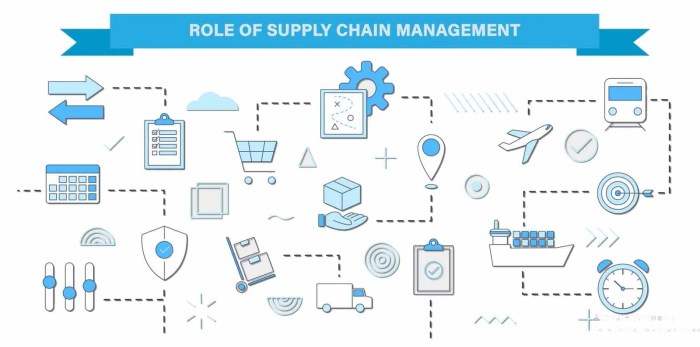
Managing supply chains in emerging markets is considerably more complex than in developed nations. Factors such as unreliable transportation networks, inconsistent infrastructure, and potential political instability can lead to significant delays, increased costs, and disruptions to the flow of goods. Furthermore, the lack of sophisticated logistics systems and technology, coupled with bureaucratic hurdles and corruption, can create significant bottlenecks. For example, a delay in customs clearance can lead to perishable goods spoiling, resulting in substantial financial losses. The absence of standardized quality control measures can also result in receiving substandard materials, leading to production delays and increased costs. Effective supply chain management in these environments requires strong relationships with local partners, a highly adaptable approach, and robust contingency planning.
Infrastructure Limitations and Their Associated Risks
Inadequate infrastructure represents a major operational hurdle in many emerging markets. Unreliable power supplies, leading to frequent outages, can halt production and damage sensitive equipment. Poor transportation networks, characterized by inadequate roads and limited rail or air freight options, result in extended delivery times and higher transportation costs. Furthermore, the lack of reliable communication infrastructure can hinder efficient coordination and communication within the supply chain. For instance, a factory relying on grid electricity might experience significant production losses during power cuts, impacting output and ultimately, revenue. The high cost of fuel and the difficulty in transporting goods also directly impact profitability. Investing in backup power generation and exploring alternative transportation modes are crucial mitigation strategies.
Examples of Operational Disruptions and Their Financial Consequences
Several real-world examples illustrate the financial impact of operational disruptions in emerging markets. In 2018, a major clothing retailer experienced significant losses due to port congestion and customs delays in a key Southeast Asian market. The delays resulted in missed deadlines for seasonal collections, impacting sales and damaging the company’s brand reputation. Similarly, a manufacturing company operating in a sub-Saharan African country suffered substantial losses due to repeated power outages, which damaged machinery and disrupted production schedules. These incidents highlight the importance of proactive risk management and the need for robust contingency plans to mitigate the financial consequences of operational disruptions.
Operational Risks: Developed vs. Emerging Markets
The operational risks associated with doing business in a highly developed market are significantly lower than those encountered in an emerging market. Developed markets typically boast robust infrastructure, reliable supply chains, and a predictable regulatory environment. These factors minimize disruptions and reduce the uncertainties associated with operations. In contrast, emerging markets often lack the same level of infrastructure development and regulatory stability, leading to a higher frequency and severity of operational disruptions. The difference is stark: a manufacturing plant in Germany is far less likely to experience major production delays due to power outages compared to a similar plant in a less developed country. This difference translates directly into operational costs and profitability.
Potential Operational Challenges and Mitigation Strategies
The following table Artikels potential operational challenges in emerging markets and corresponding mitigation strategies:
| Operational Challenge | Mitigation Strategy |
|---|---|
| Unreliable Power Supply | Invest in backup generators, explore alternative energy sources (solar, etc.) |
| Poor Transportation Infrastructure | Utilize multiple transportation modes, build strong relationships with local logistics providers |
| Bureaucratic Hurdles and Corruption | Engage local consultants, build strong relationships with government officials (ethically) |
| Lack of Skilled Labor | Invest in employee training and development programs, recruit internationally |
| Security Risks (theft, vandalism) | Implement robust security measures, secure adequate insurance coverage |
| Supply Chain Disruptions | Diversify sourcing, build buffer stock, develop strong supplier relationships |
Security Risks
Operating in emerging markets presents unique security challenges that can significantly impact a company’s financial health. Beyond the usual concerns of developed economies, businesses face heightened risks of theft, fraud, and cyberattacks, often exacerbated by weaker law enforcement and regulatory frameworks. These security breaches can lead to substantial financial losses, reputational damage, and operational disruptions, ultimately affecting profitability and investor confidence.
The financial implications of security threats in emerging markets are multifaceted and potentially devastating. Theft of physical assets, from inventory and equipment to cash reserves, represents a direct loss of capital. Fraud, encompassing everything from employee embezzlement to sophisticated vendor scams, can drain resources and erode profitability. Cyberattacks, targeting sensitive data or operational systems, can lead to data breaches, ransomware demands, and costly remediation efforts. The disruption to operations caused by these security incidents can further amplify financial losses through lost sales, production delays, and damage to brand reputation.
The Role of Insurance in Mitigating Security Risks
Insurance plays a crucial role in mitigating the financial impact of security threats. Comprehensive insurance policies, tailored to the specific risks of the operating environment, can provide financial protection against losses arising from theft, fraud, and cyberattacks. These policies can cover direct losses, such as the replacement of stolen equipment, as well as indirect costs, such as legal fees and public relations expenses incurred following a security breach. However, it’s critical to select insurers with a proven track record in emerging markets and policies that adequately address the specific local risks. The cost of insurance premiums will naturally be higher in high-risk environments, reflecting the increased likelihood of claims.
Key Security Considerations for Businesses in High-Risk Emerging Markets
Businesses operating in high-risk emerging markets must prioritize robust security measures. This involves a multi-layered approach encompassing physical security, cybersecurity, and employee training. Physical security measures might include secure facilities, access control systems, and on-site security personnel. Cybersecurity measures should encompass robust firewalls, intrusion detection systems, data encryption, and regular security audits. Comprehensive employee training programs are essential to raise awareness of security threats and best practices. Furthermore, businesses should establish clear security protocols and incident response plans to minimize the impact of security breaches. Regular risk assessments, adapted to the evolving threat landscape, are also critical.
Examples of Successful Security Strategies
Several companies have successfully implemented security strategies in challenging emerging markets. For instance, a multinational logistics company operating in several African nations implemented a GPS tracking system for its entire fleet, significantly reducing vehicle theft. Another example involves a financial institution that invested heavily in employee cybersecurity training and implemented multi-factor authentication for all online banking access, substantially reducing the risk of phishing attacks. These examples highlight the importance of proactive security measures tailored to the specific challenges of the operating environment.
Visual Representation of Security Threats and Financial Impact
Imagine a pyramid. At the base are the various security threats: theft (represented by a padlock icon), fraud (represented by a dollar sign with a question mark), and cyberattacks (represented by a computer screen with a warning symbol). Each threat has a line leading upwards to the next level, representing the escalating financial impact. The second level shows the direct financial losses: loss of assets, legal fees, and remediation costs. The third level illustrates the indirect financial losses: lost revenue, reputational damage, and decreased investor confidence. The apex of the pyramid represents the overall financial impact on the company’s bottom line, potentially impacting profitability and long-term sustainability. The size of each level is proportional to the severity of the financial impact, with the apex being the largest.
Social and Environmental Risks: The Financial Risks Of Operating In Emerging Markets
Operating in emerging markets presents unique social and environmental challenges that can significantly impact a company’s financial performance. These risks are intertwined, often exacerbating each other, and require a proactive and integrated approach to mitigation. Failure to adequately address these factors can lead to reputational damage, legal liabilities, operational disruptions, and ultimately, financial losses.
Social unrest, for instance, can severely disrupt supply chains, damage infrastructure, and deter investment. Environmental degradation, meanwhile, can lead to resource scarcity, regulatory penalties, and decreased productivity. Therefore, understanding and managing these risks is crucial for long-term sustainability and profitability.
Financial Implications of Social Unrest
Social unrest, encompassing protests, riots, and civil conflicts, directly impacts business operations. Disruptions to transportation networks can halt the delivery of raw materials and finished goods, leading to production delays and lost sales. Damage to facilities and infrastructure necessitates costly repairs and replacements. Furthermore, the uncertainty surrounding social unrest often discourages investment and negatively affects consumer confidence, impacting market demand. The 2011 Egyptian Revolution, for example, significantly disrupted tourism and foreign investment, causing substantial economic losses. Businesses operating in volatile regions must incorporate contingency plans and risk mitigation strategies to address these potential disruptions. This may involve diversifying supply chains, investing in robust security measures, and maintaining strong relationships with local communities.
Environmental Risks in Emerging Markets
Emerging markets often grapple with environmental challenges stemming from rapid industrialization and urbanization. Pollution, including air and water contamination, poses significant health risks to employees and communities, potentially leading to increased healthcare costs and decreased productivity. Resource depletion, such as deforestation and unsustainable water usage, can disrupt supply chains and impact long-term resource availability. Companies must comply with local environmental regulations, which can be complex and vary significantly across regions. Failure to do so can result in substantial fines, legal battles, and reputational damage. For example, oil spills or industrial accidents can have devastating environmental and financial consequences, as seen in several instances involving multinational corporations in developing countries.
The Importance of Corporate Social Responsibility (CSR)
Corporate Social Responsibility (CSR) is no longer merely a philanthropic endeavor; it’s a critical component of risk management. By proactively addressing social and environmental concerns, companies can enhance their reputation, build trust with stakeholders, and mitigate potential risks. CSR initiatives can involve investing in local communities, promoting sustainable practices, and engaging in transparent and ethical business operations. This proactive approach can help companies avoid costly legal battles, reputational damage, and operational disruptions associated with social and environmental controversies. Companies with strong CSR profiles often attract and retain better talent, enhancing their overall competitiveness.
Examples of Successful ESG Integration
Several companies have successfully integrated Environmental, Social, and Governance (ESG) factors into their business strategies. Unilever, for example, has implemented ambitious sustainability goals, focusing on reducing its environmental footprint and improving its social impact. This commitment has not only enhanced its brand reputation but also contributed to its long-term financial performance. Similarly, Patagonia, known for its commitment to environmental conservation, has built a loyal customer base and demonstrated that sustainability can be a powerful business driver. These companies illustrate that integrating ESG factors is not just about mitigating risks; it’s about creating long-term value.
A Framework for Assessing and Managing Social and Environmental Risks
A robust framework for assessing and managing social and environmental risks should include the following steps: First, conduct a thorough risk assessment identifying potential social and environmental risks specific to the operating environment. Second, develop mitigation strategies tailored to address these identified risks, including contingency plans for unexpected events. Third, implement robust monitoring and reporting mechanisms to track the effectiveness of mitigation efforts and identify emerging risks. Fourth, engage with stakeholders, including local communities, government agencies, and NGOs, to build trust and foster collaboration. Fifth, regularly review and update the risk assessment and mitigation strategies to adapt to changing circumstances. This iterative approach ensures that the company remains responsive to evolving social and environmental dynamics.
Conclusive Thoughts
Operating in emerging markets offers substantial opportunities for growth, but only with a thorough understanding and proactive management of inherent financial risks. This exploration has highlighted the diverse challenges – from political instability and economic volatility to operational complexities and security threats – that businesses must navigate. By employing robust risk assessment frameworks, implementing effective mitigation strategies, and fostering a culture of proactive risk management, companies can successfully leverage the potential of these markets while safeguarding their financial well-being. Careful planning and continuous monitoring are crucial for long-term success in these dynamic environments.
Frequently Asked Questions
What are some common indicators used to assess the economic health of an emerging market?
Key indicators include GDP growth rate, inflation rate, currency exchange rate volatility, foreign direct investment levels, and credit ratings.
How can insurance mitigate financial risks in emerging markets?
Insurance can help mitigate risks related to political instability, currency fluctuations, property damage, liability, and business interruption.
What is the role of due diligence in mitigating financial risks?
Thorough due diligence, including comprehensive background checks and risk assessments, is crucial in identifying and mitigating potential risks before entering an emerging market.
How can companies foster ethical and responsible business practices in emerging markets?
Companies can prioritize ethical sourcing, fair labor practices, environmental protection, and community engagement to foster sustainable and responsible business practices.
Investigate the pros of accepting Top Tax Mistakes Small Business Owners Make in your business strategies.


